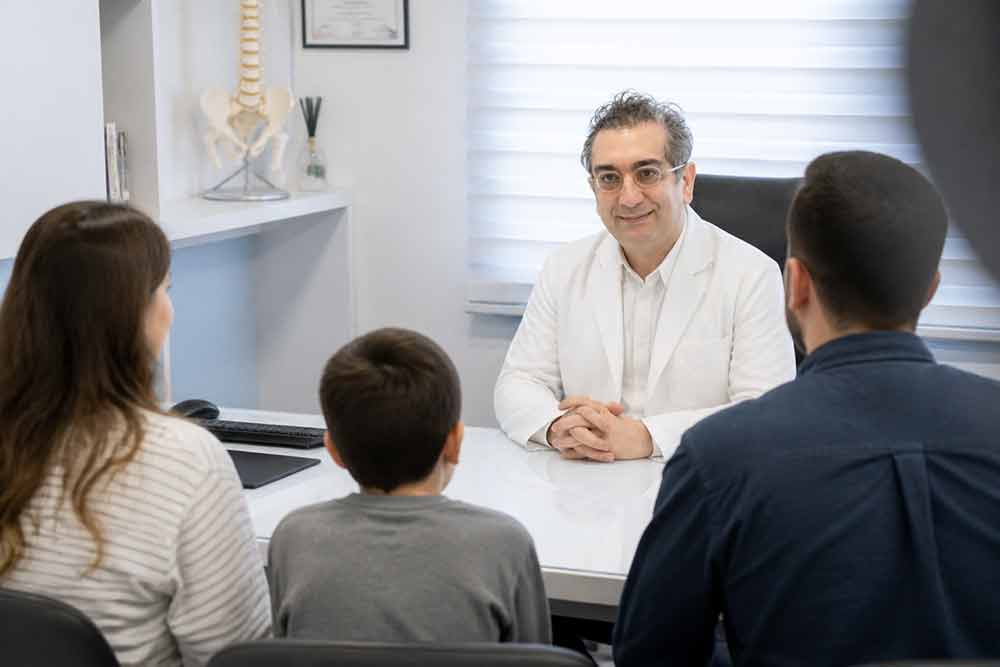
Family Genetic Counselling
Genetic conditions rarely affect just one person — they ripple across the whole family. Our Family Genetic Counselling service brings relatives together with a specialist counsellor to understand shared inherited risks, interpret family history and test results, and plan ahead with real clarity.
What is Family Genetic Counselling?
Family Genetic Counselling is a specialised service that helps families understand how genetic conditions may affect them — not just as individuals, but as a whole. Rather than focusing on a single person’s results, it looks at the bigger picture: how a hereditary condition might touch siblings, parents, or even future generations, and what that means practically for each member of the family.
During a session, your counsellor will gather a detailed family history, look for patterns across relatives, and, where appropriate, recommend genetic testing. Results are then explained clearly and compassionately, with practical advice on preventive measures, early detection, or ongoing management tailored to your family’s specific circumstances.
What sets this apart from a one-to-one consultation is its holistic, family-wide approach. Everyone involved gains a shared understanding of the risks at play, which makes it far easier to make decisions together, support one another, and plan proactively for the years ahead.
In London, Family Genetic Counselling has become an increasingly valued service for families who want to take charge of their health future. By combining genuine clinical expertise with a warm, understanding approach, it helps relatives make thoughtful, evidence-based choices that can benefit the whole family for generations to come.
Who Can Benefit from Family Genetic Counselling?
Family Genetic Counselling isn’t only for those already facing a diagnosis — it’s a valuable service for any family wishing to understand and manage their shared genetic risks.
Families with a History of Genetic Disorders
If your family has a known history of inherited conditions — such as cystic fibrosis, muscular dystrophy, or a rare metabolic disorder — counselling can help. By examining patterns across relatives, your counsellor helps everyone understand the likelihood of passing on or developing these conditions, along with sensible monitoring or preventive strategies.
Couples Planning a Family
For couples thinking about starting or growing their family, Family Genetic Counselling offers crucial insight into inherited risks. It allows prospective parents to make informed decisions, explore testing options, and understand what any findings might mean for their future children — giving genuine reassurance during an important stage of family planning.
Individuals with a Personal or Family History of Cancer
Those who’ve experienced cancer themselves, or have relatives who have, can also benefit greatly. Counselling can highlight relevant genetic markers, recommend appropriate screening, and suggest preventive measures — helping the whole family take a proactive role in their health rather than facing uncertainty alone.
In short, Family Genetic Counselling serves anyone seeking clarity about shared genetic risks, offering knowledge, support, and personalised guidance that can benefit current and future generations alike.
Common Genetic Conditions Addressed
Family Genetic Counselling often focuses on a range of hereditary conditions that can affect multiple members of a family. Identifying these early means families are far better equipped to manage risks, take preventive measures, and make informed decisions about their long-term health.
Cystic Fibrosis is a hereditary disorder affecting the lungs and digestive system — counselling helps families understand inheritance patterns and the treatment options available. Sickle Cell Anaemia is a blood disorder that can be passed from parents to children, and counselling supports appropriate screening and family planning decisions.
Huntington's Disease is a progressive neurological condition, and your counsellor provides guidance on testing and what a result might mean for other family members. For Hereditary Breast and Ovarian Cancer, counselling can help identify those at higher risk, enabling earlier detection and preventive strategies.
Thalassaemia is a blood disorder affecting haemoglobin production. Your counsellor can advise on risk assessment and reproductive options, helping families plan ahead with confidence.
A good counsellor does far more than explain the science. Family Genetic Counselling provides personalised advice on reducing risk, managing symptoms, and planning ahead — empowering families to take proactive steps and make decisions with genuine confidence for current and future generations.
What’s Included in Your Consultation?
Every session of Family Genetic Counselling follows a structured, supportive approach designed to give your whole family clarity around inherited health risks.
Initial Consultation & Family History Collection
Your counsellor begins with a thorough discussion, gathering detailed information about your family’s medical history. This includes documenting any known genetic conditions, patterns of disease across relatives, and relevant lifestyle factors — all of which help identify potential risks and determine whether further testing would be useful.
Genetic Testing & Analysis
Where appropriate, your counsellor may recommend genetic testing for one or more family members. These tests can detect mutations or variations linked to hereditary conditions, and results are interpreted clearly so that both individual and family-wide risks are properly understood.
Providing Recommendations & Care Plans
Once your results are ready, you’ll receive personalised guidance covering monitoring, preventive measures, lifestyle adjustments, or specialist referrals where relevant. Your counsellor also offers genuine emotional support throughout, helping your family navigate any complex implications and make informed decisions with real confidence.
Every stage of Family Genetic Counselling is carried out with the highest standards of professionalism and compassion, giving your family the tools and confidence to manage your health for generations to come.
The Process of Family Genetic Counselling
Family Genetic Counselling follows a structured and supportive process designed to provide families with clarity and guidance regarding inherited health risks.
The first step involves a thorough discussion with a genetic counsellor, who collects detailed information about the family’s medical history. This includes documenting any known genetic conditions, patterns of disease, and relevant lifestyle factors. Understanding this history helps identify potential risks and determine if further testing may be beneficial.
When appropriate, the counsellor may recommend genetic testing for one or more family members. These tests detect mutations or variations associated with hereditary conditions. Results are interpreted clearly to understand individual and family risks.
Following analysis, personalised guidance is offered, including monitoring, preventive measures, lifestyle modifications, or referrals. Counsellors provide emotional support, helping families navigate complex implications, and empower them to make informed decisions and plan proactively.
In London, this process is carried out with the highest standards of professionalism and compassion. Family Genetic Counselling provides families with the tools and confidence to manage their health for generations to come.
Benefits of Family Genetic Counselling
Family Genetic Counselling offers a range of benefits that extend beyond simply understanding inherited risks. By providing expert guidance, personalised advice, and emotional support, counselling empowers families to take control of their health and wellbeing.
1. Informed Decision-Making About Health
One of the primary advantages of family genetic counselling is that it equips individuals and families with the knowledge they need to make informed decisions. Whether it’s planning for a family, considering genetic testing, or making lifestyle adjustments, counselling ensures that choices are based on accurate information rather than uncertainty.
2. Prevention and Management of Diseases
Counselling allows families to identify potential genetic risks early and take proactive measures. This may include preventive screenings, lifestyle changes, or early interventions that can significantly reduce the likelihood of developing certain conditions. By understanding their genetic profile, families can manage health risks more effectively and protect future generations.
3. Peace of Mind for the Entire Family
Beyond the clinical benefits, family genetic counselling provides emotional reassurance. Knowing that they have a clear understanding of inherited risks, families can feel more confident and less anxious about the future. This peace of mind can strengthen family bonds, encourage proactive healthcare, and foster a supportive environment for all members.
In essence, Family Genetic Counselling is about more than assessing risk—it is about empowering families with knowledge, guidance, and confidence to safeguard their health for generations to come.
Choosing the Right Genetic Counsellor in London
Selecting the right genetic counsellor is crucial to ensure your family receives accurate, personalised, and compassionate guidance. With many options available in London, it’s important to know what to look for when choosing a professional.
Choosing the right genetic counsellor can make a significant difference. It helps in understanding inherited risks, planning for the future, and ensuring the wellbeing of current and future generations.
Preparing for Your Family Genetic Counselling Session
Attending a Family Genetic Counselling session in London can be a crucial step in understanding your family’s inherited health risks. Being well-prepared ensures that you get the most from your consultation and leave with clear guidance and actionable advice.
1. Gather Your Family Medical History
Before your appointment, collect information about your family’s medical history, including any known genetic conditions, chronic illnesses, or patterns of disease. The more details you can provide about parents, siblings, grandparents, and even extended relatives, the better your counsellor can assess potential risks.
2. List Your Questions and Concerns
Consider what you hope to gain from the session. Are you planning a family, concerned about a specific condition, or seeking general guidance? Writing down your questions beforehand ensures that you cover all important topics during your consultation.
3. Bring Relevant Medical Records
If you or any family members have undergone previous genetic tests, screenings, or treatments, bring those records with you. This helps the counsellor understand your background and provide tailored advice.
4. Be Ready for Emotional Discussions
Genetic counselling can sometimes touch on sensitive topics. Being mentally prepared for discussions about potential risks or hereditary conditions can help you process the information effectively and engage in meaningful conversations with your counsellor.
5. Plan for Follow-Up Steps
Your session may result in recommendations for further testing, lifestyle adjustments, or specialist referrals. Consider how you will follow up on these suggestions and discuss any logistical concerns with your counsellor during the session.
By preparing thoroughly, you maximise the benefits of your Family Genetic Counselling session, leaving with clarity, confidence, and a practical plan to safeguard your family’s health for generations to come.
What You Can Expect
By the end of your Family Genetic Counselling session, your family will have far more than a diagnosis or a set of test results — you’ll have a genuine, shared path forward.
A clear, family-wide picture of risk — Everyone involved understands not just their own genetic profile, but how it connects to siblings, parents, and future generations.
A practical care plan — Whether that means further testing, regular monitoring, or lifestyle adjustments, your family will know exactly what steps make sense going forward.
Confidence in shared decisions — Choices around family planning, screening, or treatment are made together, based on solid evidence rather than uncertainty or assumption.
Reduced anxiety, more reassurance — With risks identified and properly explained, families often find real peace of mind, replacing worry with a sense of control.
Ongoing support as questions arise — Your relationship with your counsellor doesn’t end when the session does; follow-up guidance is there whenever your family needs it.
This is what makes Family Genetic Counselling so valuable — not just knowledge, but a genuine sense of direction for your family’s health, now and for generations to come.
Conclusion: Take the Next Step in Family Genetic Counselling
Family Genetic Counselling in London plays a vital role in helping families understand inherited health risks and make informed decisions for the wellbeing of current and future generations. By providing personalised guidance, emotional support, and expert knowledge, counselling empowers families to take proactive steps in managing potential genetic conditions.
Understanding your family’s genetic profile is not just about addressing immediate health concerns—it’s about planning for a healthier, more informed future. Whether you have a history of genetic conditions, are planning a family, or simply wish to gain clarity about inherited risks, seeking professional advice can make a meaningful difference.
If you are considering Family Genetic Counselling in London, now is the perfect time to take the next step. Book a consultation with an experienced genetic counsellor and gain the insights and support your family deserves.
Book a ConsultationIn this section you can check frequently asked questions.
What is Family Genetic Counselling and who should consider it?
Family Genetic Counselling is a specialised service that helps families understand inherited health risks. It is particularly recommended for families with a history of genetic conditions, couples planning a family, or individuals concerned about hereditary diseases. The service provides personalised guidance, risk assessment, and advice on preventive measures.
How long does a typical counselling session last?
Most sessions last between 45 to 90 minutes, depending on the complexity of the family history and the number of questions you have. Some cases may require multiple appointments to cover all aspects thoroughly.
Will I need genetic testing?
Genetic testing is not always required, but your counsellor may recommend it if it will provide valuable insights into potential risks. Tests can range from simple blood or saliva samples to more specialised analyses, depending on your circumstances.
Can counselling help with family planning decisions?
Absolutely. One of the main benefits of family genetic counselling is supporting informed family planning. Counsellors can help prospective parents understand inherited risks, explore testing options, and make decisions with confidence about having children.
How do I choose a trusted genetic counsellor in London?
Look for qualifications, experience with family cases, clear communication, compassion, and positive reviews. Reputable clinics like Kensington International Clinic, with specialists such as Dr Ehsan Karimiani, are recognised for providing personalised and supportive care.
Is Family Genetic Counselling covered by health insurance?
Coverage depends on your private health insurance provider and the specifics of your policy. We’d recommend checking directly with your insurer before booking, and our team is happy to provide any documentation needed to support a claim.
Can multiple family members attend the same session together?
Yes, sessions can be arranged to include several relatives at once, which is often ideal for discussing shared risks. Alternatively, individual sessions can be booked for each family member if that feels more comfortable for your family.
Is what we discuss during counselling kept confidential?
Absolutely. Everything discussed during your Family Genetic Counselling session is treated with strict confidentiality, in line with standard clinical practice and data protection requirements, even when multiple relatives are involved.
What's the difference between Family Genetic Counselling and Individual Genetic Counselling?
Individual Genetic Counselling focuses on one person’s genetic profile in isolation, while Family Genetic Counselling takes a wider view — considering how a genetic condition may affect siblings, parents, and future generations, and helping the whole family plan together.
What happens if only one family member wants to be tested?
That’s completely fine. Genetic testing is always a personal choice, and your counsellor will respect each family member’s individual decision, offering guidance and support regardless of whether one, several, or all relatives choose to proceed with testing.