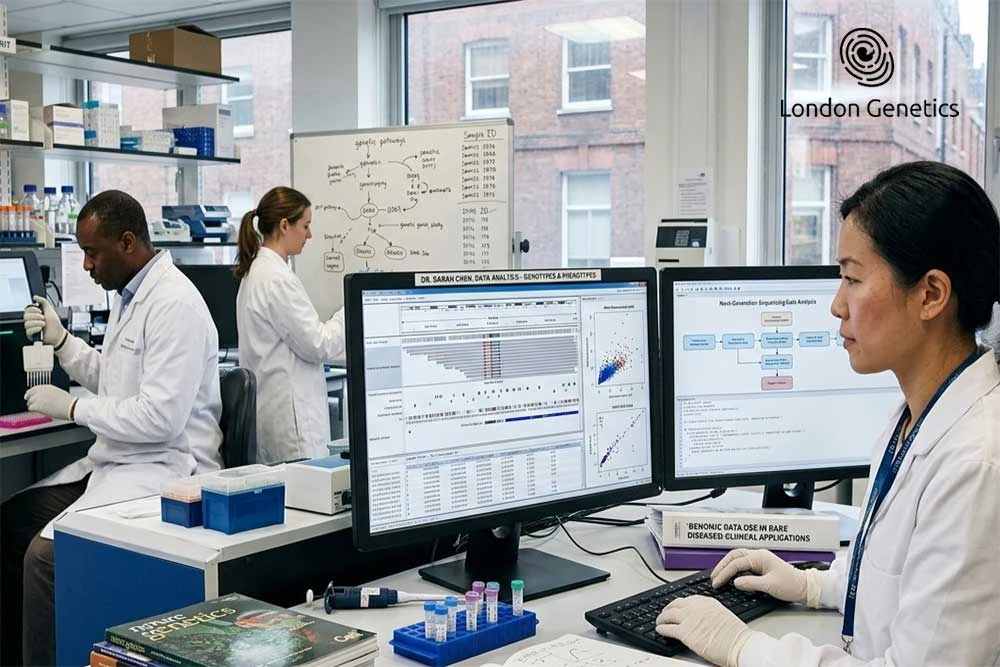
What Is Genetic Data?
Genetic Data refers to information contained within a person’s DNA that can provide insights into their biological characteristics, inherited traits, and potential health risks. It includes information about genes, genetic variants, chromosomes, and other features of the genome that can differ between individuals.
Genetic Data can be obtained from biological samples such as blood, saliva, or other types of tissue. Once a sample has been collected, laboratory techniques can be used to examine specific genes or larger sections of a person’s DNA, depending on the purpose of the investigation.
The information obtained from genetic analysis can help healthcare professionals understand whether particular genetic variants may be associated with an inherited condition, influence how someone responds to certain medicines, or contribute to their risk of developing a disease. However, having a particular genetic variant does not always mean that a person will develop a specific condition. The meaning of genetic findings depends on the variant, the individual’s clinical history, and other genetic and environmental factors.
Genetic Data is also valuable beyond individual diagnosis. When analysed across appropriate datasets, it can help researchers understand disease mechanisms, identify patterns in human biology, and develop new approaches to diagnosis and treatment. This is where Genomic Research can play an important role, using genomic information to advance understanding of genetic conditions and support the development of more personalised approaches to healthcare.
As genetic technologies continue to develop, the amount and complexity of Genetic Data available for clinical and research purposes are increasing. Understanding what this information means, how it is analysed, and how it can be used responsibly is therefore becoming an increasingly important part of modern healthcare.
Where Does Genetic Data Come From?
Genetic Data originates from biological samples collected from the human body. While blood and saliva are the most common sources, DNA can also be derived from specialised tissues or historic test records depending on the requirements of the genomic investigation.
Genetic data is derived from biological material, clinical testing history, and high-throughput sequencing. Because DNA reveals inherited characteristics, understanding its source and biological context is essential for accurate clinical evaluation and family care.
What Types of Genetic Data Are Collected?
The type of Genetic Data collected depends on the purpose of the test, the individual’s clinical circumstances, and the part of the genome being investigated. Genetic analysis can range from looking at a single genetic change to examining large portions of a person’s DNA.
Genetic Variants
One of the most important types of Genetic Data is information about genetic variants. These are differences in DNA sequence that occur between individuals. Some variants are harmless and are simply part of normal human genetic variation, while others may be associated with an increased risk of certain conditions or may contribute to an inherited disorder.
Gene and DNA Sequence Data
Genetic testing can generate information about the DNA sequence within specific genes or larger regions of the genome. This data can help identify changes in the genetic code and determine whether they may be relevant to a person’s health.
Depending on the test, the analysis may focus on a small number of genes or examine a much broader range of genetic material. The amount of Genetic Data generated can therefore vary considerably between different types of genetic investigations.
Chromosomal Data
Genetic Data can also include information about chromosomes. This may involve identifying changes in the number or structure of chromosomes. Such findings can sometimes help explain developmental differences, inherited conditions, or certain health problems.
Genomic Information
More comprehensive genomic investigations can generate large amounts of Genetic Data covering many genes and regions of the genome. This information can be analysed to identify patterns or genetic changes that may not be detected when only a small section of DNA is examined.
Inherited Genetic Information
Some Genetic Data can provide information about variants that may be inherited within a family. Identifying an inherited genetic change may be relevant not only to the person being tested but also to biological relatives who could potentially carry the same variant.
Clinical and Family-Related Information
Genetic information is often interpreted alongside other relevant information, such as a person’s medical history, symptoms, previous test results, and family history. This additional context is important because a genetic variant cannot always be interpreted accurately in isolation.
Overall, Genetic Data can include information about DNA sequences, genetic variants, chromosomes, and inherited changes. The type and amount of information collected will depend on the specific genetic investigation and the clinical question that the testing is intended to answer.
How Is Genetic Data Analysed?
Analysing genetic data is a meticulous, multi-step process that transforms raw biological sequencing into actionable clinical insights. Once a sample—such as blood or saliva—is processed in a laboratory, advanced computational tools and bioinformatic pipelines step in to interpret the billions of chemical bases that constitute the human genome.
How Is Genetic Data Used in Healthcare?
The clinical integration of genetic data has transformed modern medicine, shifting healthcare from a reactive, ‘one-size-fits-all’ approach towards proactive, personalized care. By looking directly at an individual’s unique biological code, medical professionals can make more precise diagnoses, tailor treatments, and even prevent diseases before symptoms appear.
1. Diagnosis of Rare and Rare-Inherited Conditions
For patients suffering from rare or complex health conditions, arriving at an accurate diagnosis can often take years—a journey frequently referred to as a diagnostic odyssey. By evaluating an individual’s genetic data through whole exome sequencing (WES) or whole genome sequencing (WGS), clinicians can pinpoint the precise genetic mutation causing a condition, allowing for immediate management strategies and family planning guidance.
2. Personalised Oncology (Cancer Care)
Oncology is arguably the field most dramatically reshaped by genetic insights. Tumours carry distinct genetic signatures that drive their growth. Analysing the somatic genetic data extracted from a tumour biopsy enables oncologists to:
-
Identify targeted therapies: Select medications specifically designed to block the mutated proteins driving tumour growth (e.g., targeting HER2 in breast cancer or EGFR in lung cancer).
-
Predict treatment response: Determine whether a patient is likely to benefit from specific chemotherapies or immunotherapies.
-
Monitor recurrence: Use liquid biopsies to track circulating tumour DNA (ctDNA) in the blood to catch cancer recurrence at its earliest stage.
3. Pharmacogenomics: Optimising Medication and Dosage
Not all patients metabolize medications in the same way; a drug that is life-saving for one person might be ineffective or cause severe adverse drug reactions (ADRs) in another. Pharmacogenomics utilizes genetic data to assess how variations in liver enzymes (such as the CYP450 gene family) affect drug metabolism. This allows doctors to prescribe the correct drug at the optimal dosage right from the start, minimizing trial-and-error prescribing.
4. Proactive Disease Risk Assessment and Prevention
Beyond diagnosing existing illnesses, genetic data is increasingly deployed to assess future health risks.
-
Monogenic Risk: Screenings for high-penetrance variants, such as BRCA1 and BRCA2 mutations, identify individuals with a significantly elevated risk of developing hereditary breast and ovarian cancers.
-
Polygenic Risk Scores (PRS): By aggregating the subtle impacts of thousands of common genetic variants, clinicians can calculate a person’s overall susceptibility to complex conditions such as coronary artery disease, type 2 diabetes, or Alzheimer’s disease, enabling early lifestyle interventions and targeted health surveillance.
5. Reproductive and Antenatal Care
Genetic insights play a pivotal role in reproductive health:
-
Carrier Screening: Helps prospective parents understand if they carry recessive genetic mutations (e.g., for Cystic Fibrosis or Sickle Cell Anemia) that could be passed on to their children.
-
Non-Invasive Prenatal Testing (NIPT): Analysing cell-free fetal DNA from the mother’s blood sample permits safe, early screening for chromosomal abnormalities such as Down’s syndrome (Trisomy 21) without the risks associated with invasive procedures.
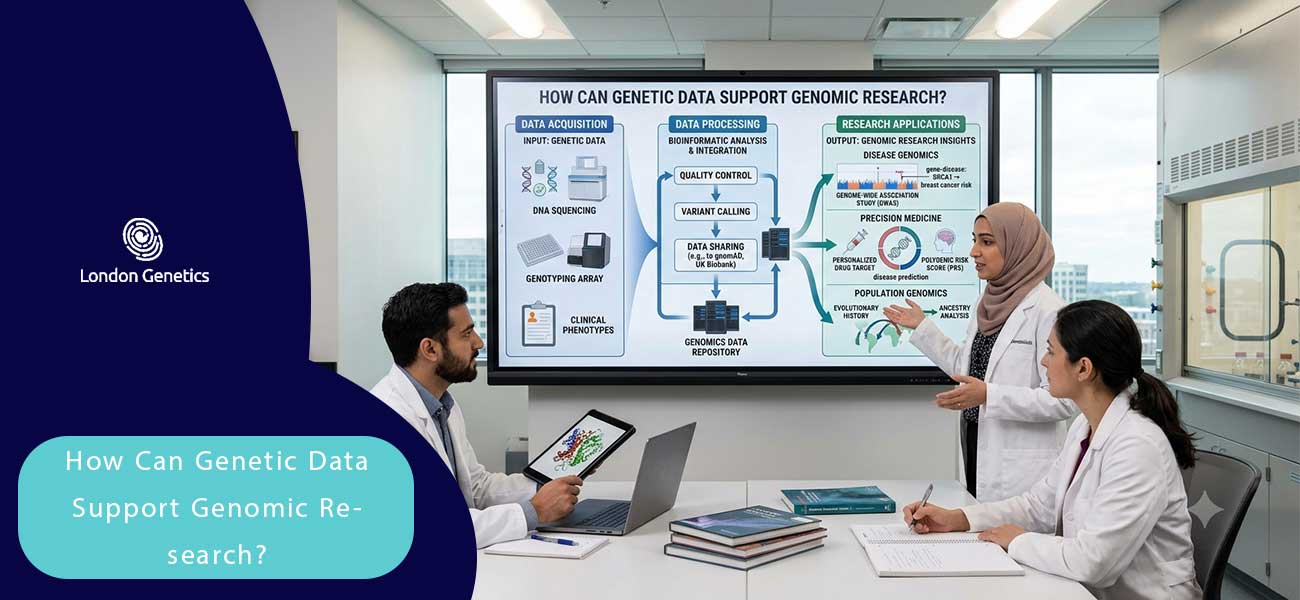
How Can Genetic Data Support Genomic Research?
While clinical applications focus on individual patients, genomic research leverages genetic data at scale to transform our broader understanding of human biology, disease mechanisms, and drug discovery. Aggregating anonymised genomic information from large population cohorts allows scientists to answer complex biological questions that were previously out of reach.
1. Accelerating Drug Discovery and Targeted Therapeutics
Developing new pharmaceutical treatments is notoriously time-consuming and costly. By studying genetic data from individuals with specific conditions or natural resistance to diseases, researchers can identify novel therapeutic targets.
-
Validating Drug Targets: Genes associated with disease pathways highlight specific proteins that drugs can be designed to target.
-
Reducing Clinical Trial Failures: Therapies supported by genetic evidence are significantly more likely to succeed in clinical trials, as the underlying biological mechanism is already validated.
2. Uncovering Complex Disease Mechanisms via GWAS
Genome-Wide Association Studies (GWAS) analyze the genetic data of vast populations to find links between specific genetic variations and particular health conditions. While single-gene disorders (like Huntington’s disease) are straightforward, common conditions such as hypertension, schizophrenia, or rheumatoid arthritis involve thousands of subtle genetic interactions. GWAS allows researchers to build comprehensive models of disease etiology by identifying these contributing variants across the genome.
3. Advancing Population Genomics and Human Evolutionary History
Large-scale genomic initiatives—such as Genomics England’s 100,000 Genomes Project or the UK Biobank—rely on extensive genetic data to explore how genetics varies across different ethnicities and populations. Furthermore, mapping these variations helps evolutionary biologists trace human migration patterns, historical population bottlenecks, and ancient adaptations to changing environments and pathogens.
3. Enabling Functional Genomics and Gene Editing
Sequencing the genome provides the blueprint, but functional genomics seeks to understand what each part of that blueprint actually does. By pairing genomic datasets with functional technologies like CRISPR-Cas9 gene editing, researchers can systematically knock out or modify genes in models to observe the biological consequences. This provides crucial insight into gene function, cellular pathways, and potential genetic therapies for inherited disorders.
4. Supporting Biomarker Discovery for Early Detection
Researchers analyze longitudinal datasets to identify biological indicators (biomarkers) that signal disease onset long before clinical symptoms appear. Discovering genomic biomarkers within patient genetic data enables the creation of diagnostic assays for early-stage screening, drastically improving prognosis for progressive conditions like neurodegenerative diseases and metabolic disorders.
How Is Genetic Data Protected and Kept Private?
Because an individual’s genome is completely unique, immutable, and reveals shared biological information about close relatives, safeguarding genetic data requires stringent security measures and robust legal frameworks. Ensuring absolute privacy is critical to maintaining public trust and supporting population-scale genomic research.
From strict regulatory standards to advanced cybersecurity protocols, modern clinical laboratories and genomic networks implement multi-layered protections. These frameworks ensure that complex genetic insights are utilized exclusively for authorised diagnostic or therapeutic purposes while maintaining complete participant anonymity and data integrity.