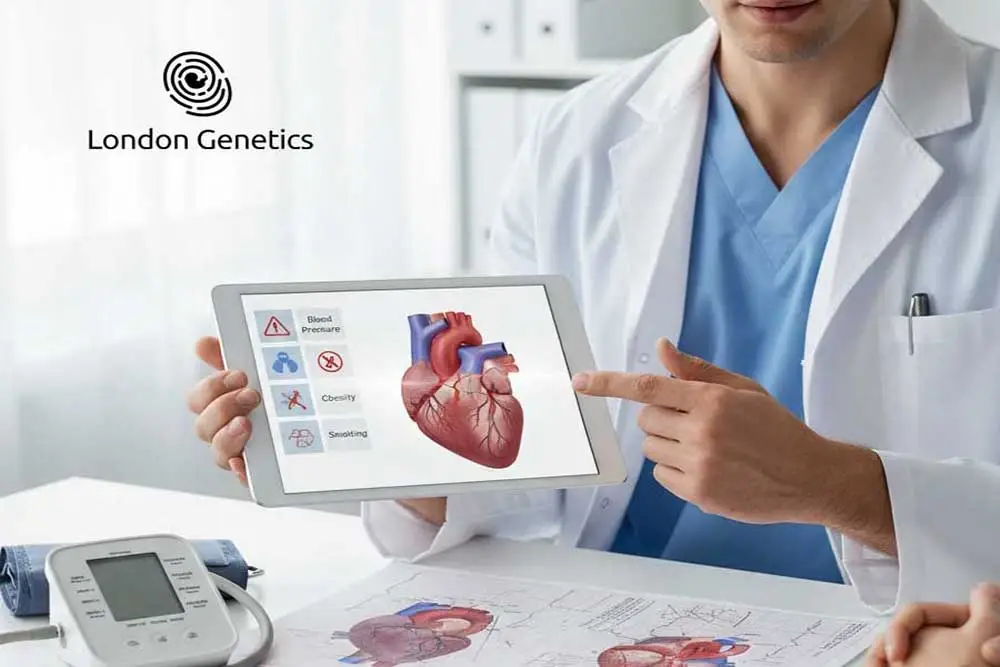
Introduction to Cardiovascular Diseases and Their Global Impact
Cardiovascular Diseases remain one of the leading causes of illness and mortality across the world, affecting millions of people each year and placing a considerable burden on healthcare systems. These conditions involve the heart and blood vessels and can range from coronary artery disease and heart failure to stroke and peripheral vascular disease. Despite remarkable progress in modern medicine, many cases are still linked to modifiable lifestyle factors such as smoking, poor diet, and physical inactivity, making prevention a critical part of public health strategies.
Advances in early detection have also played a key role in reducing the global impact of these disorders. Tools such as Preventive Genetic Risk Screening now allow clinicians to identify individuals who may be genetically predisposed to heart disease long before symptoms appear. Similarly, national Genetic Screening Programmes are enabling earlier diagnosis, better risk assessment, and more personalised care pathways.
As global populations continue to age, and as lifestyle‑related risk factors rise, understanding Cardiovascular Diseases—along with their causes, patterns, and preventative opportunities—has become essential. This knowledge not only supports improved clinical care but also empowers individuals to take proactive steps towards protecting their long‑term heart health.
Understanding the Causes and Pathophysiology of Cardiovascular Diseases
Cardiovascular diseases arise when the heart or blood vessels become damaged, obstructed, or unable to function efficiently. Although these conditions may appear straightforward on the surface, their underlying mechanisms involve a highly complex interplay of biological processes, lifestyle factors, environmental influences, and inherited genetic risks.
Cardiovascular diseases emerge from a dynamic interplay of metabolic, genetic, and environmental mechanisms. A deeper understanding of these processes supports more effective prevention, early detection, and long‑term management strategies.
Major Risk Factors: Lifestyle, Environmental, and Genetic Contributors
Understanding the major risk factors behind Cardiovascular Diseases helps clarify why these conditions are so widespread and how they can often be prevented or delayed. Although heart and vascular disorders can arise from many different pathways, three broad categories—lifestyle, environmental, and genetic contributors—play the most significant roles.
Lifestyle factors remain among the strongest and most modifiable drivers of cardiovascular risk. Smoking, for instance, accelerates vascular damage and increases the likelihood of heart attacks and strokes. Diets high in saturated fats, salt, and processed foods promote high blood pressure, obesity, and elevated cholesterol. Physical inactivity further compounds these issues by impairing metabolic health and reducing cardiac fitness. Excessive alcohol intake and chronic stress also contribute to long‑term cardiovascular strain.
Environmental influences can amplify these risks. Long‑term exposure to air pollution, for example, is strongly associated with inflammation, endothelial dysfunction, and increased rates of heart disease. Urban noise, occupational hazards, and limited access to green spaces or healthy food options also affect cardiovascular health in meaningful ways. Socioeconomic factors—such as lower income, reduced healthcare access, and limited health literacy—can create additional vulnerabilities.
Genetic contributors add a deeper and sometimes less visible dimension. Variants in certain genes can predispose individuals to high cholesterol, hypertension, arrhythmias, or structural heart abnormalities. Some people carry inherited conditions such as familial hypercholesterolaemia (FH), which significantly elevates cardiovascular risk even from childhood. Modern tools like Preventive Genetic Risk Screening and national Genetic Screening Programmes help clinicians identify these inherited tendencies early, enabling more personalised and proactive interventions.
Altogether, the combined effect of lifestyle habits, environmental exposures, and genetic predispositions determines an individual’s overall cardiovascular risk profile. Recognising these contributors allows healthcare professionals—and individuals themselves—to take targeted steps towards protecting long‑term heart health.
If you’d like, I can move on to the next section with the same tone and style.
Early Detection, Screening, and Diagnostic Methods in Cardiovascular Health
Early detection is a cornerstone of cardiovascular health, allowing clinicians to recognise risk factors and emerging abnormalities long before they progress to severe or life‑threatening disease. Today’s diagnostic landscape integrates routine clinical tests with advanced imaging, biomarker analysis, and genetic screening to create a comprehensive, personalised assessment of cardiovascular risk.

Key diagnostic tools used to identify cardiovascular risk and early disease.


Key Takeaway:
Early cardiovascular detection relies on a combination of routine clinical tests, advanced imaging, and molecular diagnostics. By identifying risk at the earliest stages, clinicians can intervene proactively, reducing long‑term complications and improving lifelong heart health.
Prevention Strategies: Lifestyle Modifications and Medical Interventions
Preventing Cardiovascular Diseases is one of the most effective ways to reduce their global impact and improve long‑term health outcomes. Many cardiovascular conditions develop gradually over time, meaning that early preventive strategies—combining healthy lifestyle choices with appropriate medical care—can significantly lower the risk of heart attacks, strokes, and other serious complications.
Effective prevention typically involves two complementary approaches: lifestyle modifications and targeted medical interventions.
Lifestyle Modifications for Cardiovascular Health
Healthy daily habits play a central role in preventing cardiovascular problems. Small but consistent lifestyle changes can substantially reduce long‑term cardiovascular risk.
• Balanced and Heart‑Healthy Diet
Consuming a diet rich in fruits, vegetables, whole grains, and healthy fats supports normal cholesterol levels and vascular function. Limiting saturated fats, processed foods, and excess salt helps maintain healthy blood pressure and metabolic balance.
• Regular Physical Activity
Engaging in moderate physical activity—such as brisk walking, cycling, or swimming—for at least 150 minutes per week can strengthen the heart, improve circulation, and reduce the risk of obesity and metabolic disorders.
• Smoking Cessation
Avoiding tobacco is one of the most powerful steps for protecting cardiovascular health. Smoking damages blood vessels, increases inflammation, and significantly raises the risk of heart attacks and strokes.
• Weight Management and Stress Reduction
Maintaining a healthy body weight and managing chronic stress through relaxation techniques, exercise, or mindfulness practices can help regulate blood pressure and improve overall cardiovascular wellbeing.
Medical Interventions and Preventive Care
While lifestyle improvements are fundamental, medical interventions are often necessary for individuals with elevated cardiovascular risk.
• Regular Health Screening
Routine monitoring of blood pressure, cholesterol levels, and blood glucose allows clinicians to identify early warning signs and intervene before serious complications develop.
• Preventive Medications
In certain cases, medications such as statins, antihypertensive drugs, or antiplatelet therapies may be prescribed to control risk factors and prevent disease progression.
• Genetic Risk Assessment
For individuals with a strong family history of heart disease, tools such as Preventive Genetic Risk Screening and national Genetic Screening Programmes can help identify inherited predispositions and guide personalised prevention strategies.
By combining healthy lifestyle choices with appropriate medical monitoring and treatment, many cases of cardiovascular disease can be delayed, controlled, or even prevented. These proactive strategies not only protect individual health but also reduce the overall burden of cardiovascular illness on healthcare systems worldwide.
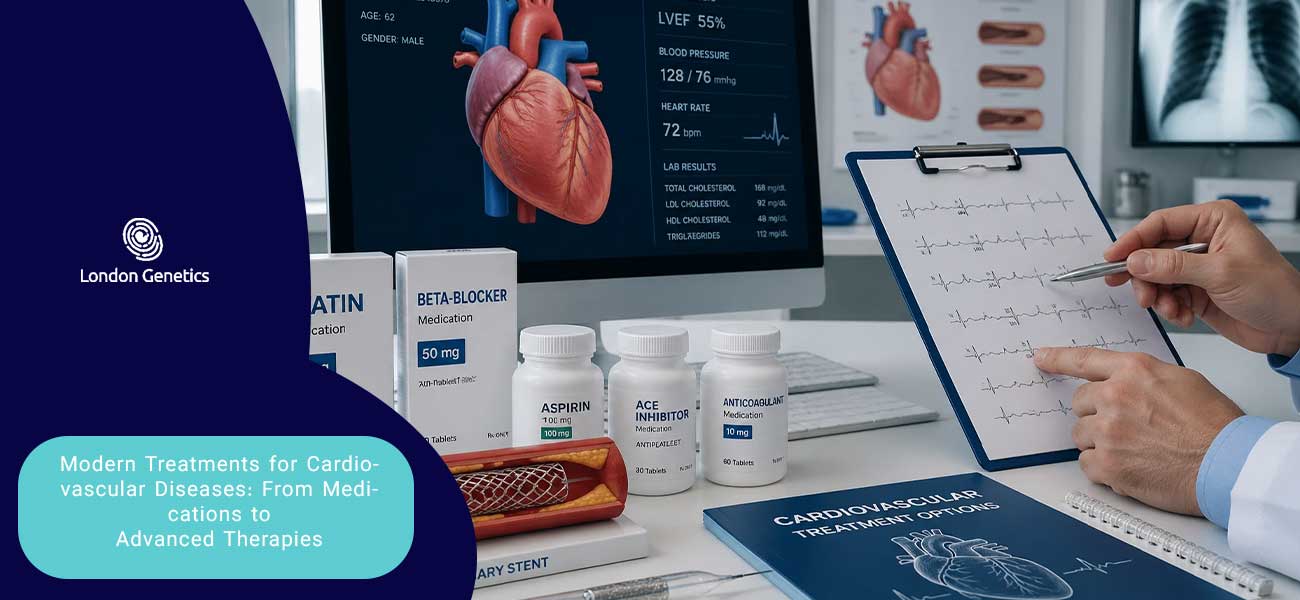
Modern Treatments for Cardiovascular Diseases: From Medications to Advanced Therapies
Modern management of Cardiovascular Diseases has evolved remarkably, combining well‑established medical treatments with highly sophisticated procedures that can restore heart function, improve quality of life, and significantly reduce mortality. Today’s therapeutic landscape ranges from everyday medications to minimally invasive interventions and cutting‑edge biological therapies.
Below is a clear and structured overview of the major treatment options used in contemporary cardiovascular care.
1. Pharmacological (Medication‑Based) Treatments
Medications remain the cornerstone of cardiovascular management, especially for long‑term control of risk factors and stabilisation of chronic conditions.
• Antihypertensives
Drugs such as ACE inhibitors, beta‑blockers, and calcium‑channel blockers help regulate blood pressure and reduce strain on the heart.
• Statins and Lipid‑Lowering Agents
These therapies lower LDL cholesterol, slow atherosclerosis, and significantly reduce the risk of heart attacks and strokes.
• Antiplatelet and Anticoagulant Drugs
Aspirin, clopidogrel, and newer anticoagulants help prevent clot formation in patients at risk of thrombosis, atrial fibrillation, or previous cardiovascular events.
• Heart Failure Medications
Drugs like ARNI therapy, mineralocorticoid receptor antagonists, and diuretics support cardiac function and reduce hospitalisation rates in patients with heart failure.
2. Minimally Invasive and Interventional Procedures
Advances in cardiology have made it possible to treat many cardiovascular conditions without open‑heart surgery.
• Percutaneous Coronary Intervention (PCI)
Frequently known as angioplasty, PCI uses balloons and stents to open narrowed coronary arteries and restore blood flow.
• Transcatheter Aortic Valve Implantation (TAVI)
A minimally invasive option for replacing a diseased aortic valve, especially in older or high‑risk patients.
• Catheter Ablation
Used to treat arrhythmias by isolating or destroying abnormal electrical pathways in the heart.
• Implantable Devices
Pacemakers, ICDs (implantable cardioverter‑defibrillators), and CRT devices (cardiac resynchronisation therapy) help regulate heart rhythm and prevent sudden cardiac death.
3. Surgical Treatments
In some cases, surgery remains the most effective or necessary approach.
• Coronary Artery Bypass Grafting (CABG)
A surgical method that improves blood flow to the heart by bypassing blocked arteries using grafts.
• Valve Repair or Replacement
Repairing or replacing faulty heart valves can restore normal blood flow and prevent long‑term heart failure.
• Aneurysm Repair
Surgery is required to correct life‑threatening aortic aneurysms or dissections.
4. Advanced and Emerging Therapies
Rapid innovation is pushing cardiovascular medicine into a new era of personalised and regenerative treatments.
• Gene‑Based Therapies
Investigational treatments aim to modify genes involved in cholesterol metabolism, heart muscle function, or inherited arrhythmic disorders.
• Stem Cell and Regenerative Therapies
Research suggests that stem cells may one day repair damaged heart tissue after myocardial infarction, improving recovery and cardiac performance.
• Advanced Imaging‑Guided Therapies
High‑resolution cardiac MRI and CT technologies now support precise, targeted interventions with improved outcomes.
• Personalised Medicine Approaches
Integrating genomic data, such as that obtained from Preventive Genetic Risk Screening or Genetic Screening Programmes, allows for more tailored treatment pathways.
5. Lifestyle as an Adjunct to Modern Therapy
Even with advanced therapies, optimising lifestyle remains crucial.
• Healthy diet and weight management
• Smoking cessation
• Structured exercise programmes
• Stress reduction and sleep improvement
These measures enhance the effectiveness of both medical and surgical treatments.
Modern cardiovascular treatments now offer a comprehensive and highly adaptable approach, combining medications, minimally invasive techniques, surgical expertise, and emerging biological therapies. Together, these innovations have dramatically improved survival rates and continue to push the boundaries of what is possible in cardiovascular care.
A Comprehensive Perspective on Cardiovascular Disease Management
Cardiovascular Diseases remain one of the leading causes of mortality worldwide. Nevertheless, substantial advances in prevention, early diagnosis, and therapeutic innovation have markedly improved survival rates and long‑term outcomes. The most effective strategy for cardiovascular health integrates early detection, proactive prevention, and modern evidence‑based treatment approaches.
Contemporary cardiovascular care spans the full spectrum of intervention—from lifestyle optimisation and pharmacological therapy to minimally invasive procedures and advanced cardiac surgery. At the same time, emerging scientific developments are shaping a more personalised and forward‑looking model of heart health management.
Prevention as the Foundation:
Lifestyle modifications—including balanced nutrition, regular physical activity, smoking cessation, and weight management—remain powerful tools for reducing cardiovascular risk before disease progresses.
Evidence‑Based Medical & Interventional Care:
Modern pharmacological therapies, catheter‑based interventions, and surgical procedures provide effective solutions for managing coronary artery disease, heart failure, arrhythmias, and structural abnormalities.
Innovation in Cardiovascular Medicine:
Advances such as gene‑based therapies, regenerative medicine, and precision treatment strategies informed by genomic data are reshaping the future of cardiac care.
Personalised Risk Assessment:
Regular screening, comprehensive risk evaluation—including genetic assessment where appropriate—and timely clinical intervention enable more tailored and proactive management plans.
Long‑Term Outlook:
An integrated approach that combines prevention, early detection, and advanced therapeutics offers the greatest opportunity to reduce global cardiovascular burden and improve quality of life.