Introduction
Aging is a natural part of life, yet the pace at which it occurs varies remarkably among individuals. Understanding why some people age more slowly than others has fascinated scientists for decades. Studying the Genetics of aging provides valuable insights into the biological processes that influence longevity and healthspan.
The importance of examining ageing and lifespan lies not only in extending the number of years one lives but also in improving the quality of those years. By uncovering the genetic factors that contribute to slower ageing, researchers hope to develop strategies to prevent age-related diseases and enhance overall well-being.
But why do some people appear to age more gracefully than others? The answer is complex, involving a combination of lifestyle, environment, and most intriguingly, genetics. Certain genes have been identified that can influence cellular repair, resistance to stress, and the maintenance of telomeres, the protective caps at the ends of chromosomes. These genetic elements can slow down cellular ageing, allowing some individuals to remain healthier and more vigorous well into old age.
In essence, exploring the Genetics of aging allows us to understand the blueprint behind longevity and opens the door to potential interventions that could benefit us all.
Aging: Concepts and Mechanisms
Aging is a complex, multifactorial process affecting every organism. It involves both cellular and systemic changes, and understanding these mechanisms is crucial for promoting longevity and healthy aging.
Cells gradually lose their ability to divide and function properly. Accumulation of senescent cells contributes to tissue dysfunction and overall organ aging.
- DNA damage accumulation
- Telomere shortening
- Oxidative stress
- Mitochondrial dysfunction
- Decline of repair mechanisms
These processes interact in complex ways, shaping the pace of aging and influencing overall health and longevity.
Genetic factors modulate cellular resilience and repair capacity, affecting how quickly or slowly an individual ages. Studying the genetics of aging helps explain differences in longevity and age-related health.
Chronological age counts years lived, while biological age reflects the functional state of cells and tissues. Two people of the same chronological age can have very different biological ages due to genetics, lifestyle, and environment.
Understanding aging mechanisms is key to healthier longevity. By studying cellular changes, biological processes, and genetic influences, we can better comprehend why some people age more slowly and develop strategies to support healthy aging throughout life.
Genetics and Aging
Genetics plays a pivotal role in determining how quickly or slowly an individual ages. While lifestyle and environmental factors certainly influence the ageing process, the underlying genetic blueprint can significantly modulate cellular repair, stress resistance, and metabolic efficiency. Studying the Genetics of aging helps scientists uncover why some people remain youthful and healthy for longer periods.
Several longevity genes have been identified that contribute to extended lifespan and delayed onset of age-related diseases. For example, variations in genes involved in DNA repair, antioxidant defence, and nutrient sensing pathways, such as FOXO3, SIRT1, and IGF-1, have been linked to slower ageing and exceptional longevity. These genes help maintain cellular integrity and resilience, reducing the cumulative damage that accelerates ageing.
Moreover, genetics is closely connected to age-related diseases. Certain genetic profiles can increase susceptibility to conditions such as cardiovascular disease, Alzheimer’s, and type 2 diabetes, which often define the pace of ageing. Conversely, protective genetic variants can delay the onset of these diseases, allowing some individuals to age more gracefully.
Understanding the Genetics of aging thus not only explains individual differences in ageing but also opens potential avenues for interventions that could enhance healthspan and delay the onset of age-related disorders.
Telomeres and Cellular Aging
Telomeres are protective DNA caps at chromosome ends, acting as a molecular clock for cells. Understanding their dynamics is key to understanding why some people age more slowly than others.


Understanding telomeres helps guide longevity strategies. Studying telomere dynamics through genetics provides insight into cellular aging and opportunities to support healthier aging over time.
Epigenetics and Lifestyle
While our DNA provides the blueprint for life, epigenetic modifications—chemical changes that regulate gene expression without altering the underlying DNA sequence—play a crucial role in the ageing process. These changes can switch genes on or off, influencing cellular function, repair mechanisms, and overall resilience. Studying the Genetics of aging involves understanding how epigenetic factors contribute to why some individuals age more slowly than others.
Lifestyle choices have a profound impact on epigenetic regulation. Diet, for instance, can modulate gene expression related to metabolism, inflammation, and longevity. Nutrients like polyphenols, omega-3 fatty acids, and vitamins influence the activation of longevity-associated genes, helping maintain cellular health. Similarly, regular physical activity has been shown to promote beneficial epigenetic changes that improve DNA repair, reduce oxidative stress, and enhance metabolic efficiency.
Environmental factors, such as exposure to toxins, pollution, and chronic stress, can accelerate epigenetic aging, whereas supportive environments and positive lifestyle habits may slow it down. By combining insights from epigenetics with the Genetics of aging, scientists hope to develop personalised strategies to extend healthspan and improve quality of life.
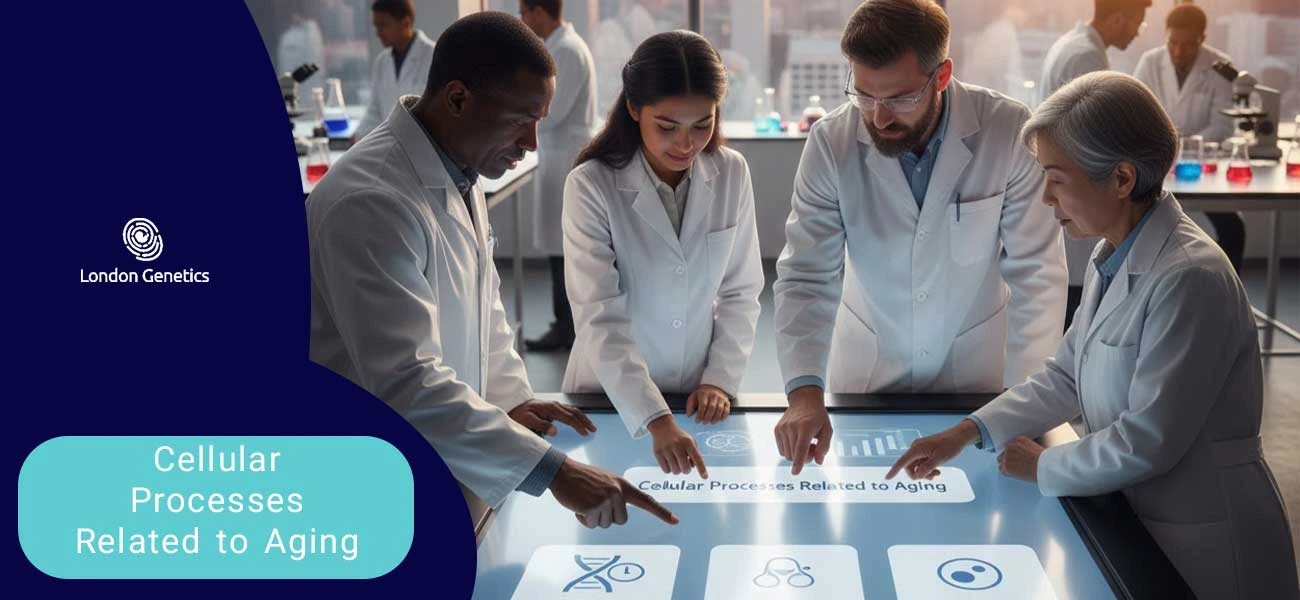
Cellular Processes Related to Aging
Aging at the cellular level is driven by a combination of intrinsic and extrinsic factors that gradually impair cell function. One of the most well-studied phenomena is cellular senescence, a state in which cells permanently lose their ability to divide. Senescent cells accumulate in tissues over time, secreting pro-inflammatory factors that contribute to tissue dysfunction, organ ageing, and age-related diseases. Understanding the mechanisms of senescence is central to the study of the Genetics of aging, as genetic variations can influence how quickly cells enter this state.
Another major contributor to cellular aging is oxidative stress, which results from an imbalance between reactive oxygen species (ROS) and the body’s ability to neutralise them. Excess ROS can damage DNA, proteins, and lipids, accelerating the ageing process. Accumulated DNA damage disrupts normal cellular function and can trigger cellular senescence or apoptosis, further affecting tissue health.
Fortunately, cells are equipped with DNA repair mechanisms that help maintain genomic integrity. Genes involved in repair pathways, such as nucleotide excision repair, base excision repair, and double-strand break repair, play a pivotal role in slowing cellular aging. Variations in these genes, as studied within the Genetics of aging, can determine the efficiency of repair processes and ultimately influence an individual’s rate of aging.
In essence, cellular senescence, oxidative stress, and DNA repair are interconnected processes that shape how our bodies age at the molecular level, highlighting the profound influence of genetics on longevity and healthspan.
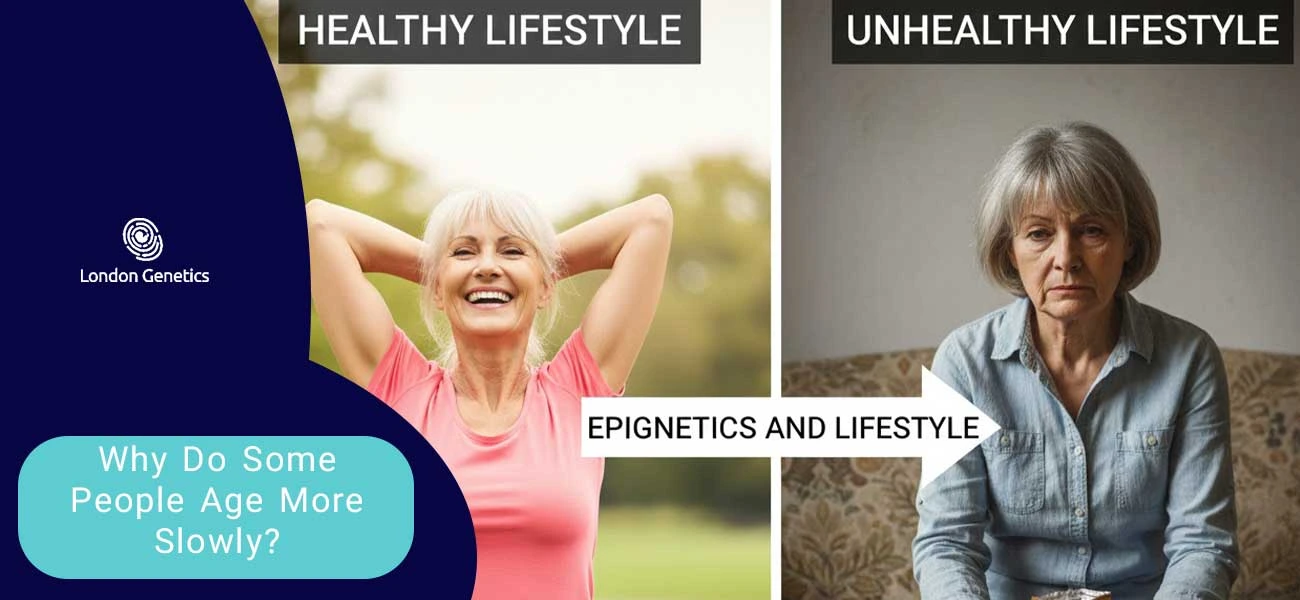
Why Do Some People Age More Slowly?
The pace at which individuals age is influenced by a complex interplay of genetics and environmental factors. While lifestyle choices, diet, and exposure to stressors play crucial roles, underlying genetic makeup can determine how resilient a person’s cells and organs are over time. Studying the Genetics of aging helps reveal why some people maintain youthful function and health well into advanced age.
Research on long-lived individuals, such as centenarians, has provided valuable insights. These studies have shown that people who age more slowly often possess genetic variants that enhance cellular repair, bolster antioxidant defences, and maintain metabolic efficiency. Their remarkable longevity is rarely the result of genetics alone, but a combination of favourable genes and supportive environmental and lifestyle factors.
Certain protective genes act as buffers against age-related decline. For example, variants of FOXO3 and SIRT1 are linked to improved stress resistance, enhanced DNA repair, and delayed onset of chronic diseases. In addition, preventative measures such as a balanced diet, regular exercise, and stress management interact with genetic predispositions to slow the ageing process further.
In summary, the slow ageing observed in some individuals arises from a synergy of protective genetics and positive environmental influences, demonstrating that both nature and nurture are essential in shaping longevity and healthspan.