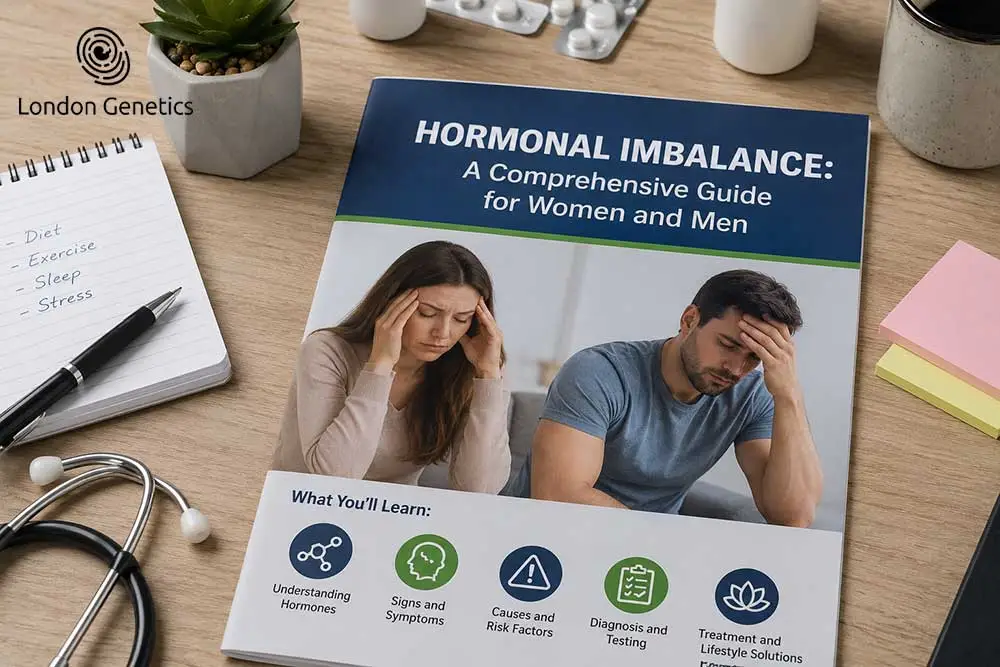
Introduction to Hormonal Imbalance and the Endocrine System
Hormones play a central role in nearly every function of the human body, from energy levels and metabolism to mood, growth, and reproductive health. When these chemical messengers fall out of balance—whether too high, too low, or fluctuating irregularly—the result is what we refer to as Hormonal Imbalance. It’s a common issue that can affect both women and men at any stage of life, often leading to symptoms that are subtle at first but gradually impact overall wellbeing.
At the heart of hormonal control is the endocrine system—a complex network of glands, including the thyroid, adrenal glands, pancreas, and reproductive organs. These glands release hormones into the bloodstream, allowing them to act on tissues and organs throughout the body. When the endocrine system is functioning smoothly, it maintains a delicate equilibrium. But even small disruptions—caused by stress, lifestyle factors, underlying medical conditions, or age‑related changes—can shift this balance and lead to a wide range of physical and emotional effects.
In recent years, advances in personalised medicine have helped us understand hormonal health in far greater detail. Tools such as Nutrigenomics Genetics Testing explore how your unique genetic makeup interacts with nutrition and lifestyle, providing insights into how certain foods or habits might influence hormone regulation. Similarly, Genetic Testing more broadly can identify inherited conditions or predispositions that may contribute to hormonal disorders, allowing for earlier intervention and more precise treatment strategies.
Understanding the basics of Hormonal Imbalance and recognising the vital role of the endocrine system is the first step towards restoring balance, improving wellbeing, and supporting long‑term health. If addressed early—with the right assessments, lifestyle adjustments, and medical guidance—it’s entirely possible to regain hormonal stability and feel more in control of your body’s natural rhythm.
Common Causes of Hormonal Imbalance in Women and Men
Hormonal Imbalance develops when the body’s finely tuned endocrine system is disrupted by stress, lifestyle, medical conditions, metabolic changes, or genetic predispositions. While some triggers affect both women and men, others are sex‑specific. Understanding these underlying mechanisms is essential for accurate diagnosis, personalised treatment, and long‑term hormonal wellbeing.
Hormonal Imbalance rarely stems from a single cause. It typically arises from a combination of genetic susceptibility, lifestyle patterns, environmental influences, and underlying medical conditions. Identifying the dominant contributors for each individual is essential for creating an effective, personalised treatment plan that addresses root causes rather than symptoms.
Signs and Symptoms: How Hormonal Imbalance Affects the Body
Hormones influence nearly every organ system, so when levels become too high, too low, or fluctuate irregularly, the effects can appear in many different forms. Because Hormonal Imbalance can manifest differently in women and men, and even from one individual to another, recognising the key signs and symptoms is essential for early intervention.
Below are the major ways in which Hormonal Imbalance can affect the body.
Changes in Energy Levels and Mood
One of the most common early indicators of Hormonal Imbalance is a shift in energy and emotional stability.
- Persistent fatigue, even after adequate rest
- Irritability, anxiety, or depressive symptoms
- Difficulty concentrating or episodes of “brain fog”
- Increased sensitivity to stress or emotional overwhelm
These symptoms often reflect disruptions in thyroid hormones, cortisol, oestrogen, progesterone, or testosterone.
Weight Changes and Metabolic Disturbances
Hormones play a central role in appetite regulation, fat storage, and metabolism. Imbalances can lead to:
- Unexplained weight gain or difficulty losing weight
- Sudden weight loss without intentional diet changes
- Increased appetite or sugar cravings
- Slowed metabolism and reduced exercise tolerance
In many cases, issues such as insulin resistance, thyroid dysfunction, and cortisol dysregulation contribute to these metabolic shifts.
Sleep Problems and Circadian Rhythm Disruption
Sleep–wake cycles are regulated by hormones such as cortisol and melatonin. When these become unbalanced, individuals may experience:
- Difficulty falling or staying asleep
- Restless or poor‑quality sleep
- Early morning waking
- Daytime sleepiness or reliance on stimulants
Chronic sleep disruption can, in turn, worsen Hormonal Imbalance, creating a self‑reinforcing cycle.
Skin, Hair, and Nail Changes
Visible changes in physical appearance are often linked to shifts in sex hormones, thyroid hormones, and stress hormones.
- Acne flare‑ups or oily skin
- Dry skin, brittle nails, or hair thinning
- Excess facial or body hair in women
- Hair loss or receding hairline in men
Conditions such as PCOS, thyroid disorders, and elevated cortisol frequently contribute to these dermatological symptoms.
Reproductive and Sexual Health Issues
Since hormones regulate fertility, libido, and menstrual or reproductive function, disturbances can lead to characteristic symptoms.
In women:
- Irregular or missed periods
- Painful or heavy menstruation
- PMS or PMDD symptoms intensifying
- Reduced libido
- Difficulty conceiving
- Vaginal dryness or discomfort
In men:
- Reduced libido
- Erectile difficulties
- Lower sperm count or fertility concerns
- Loss of morning erections
- Decreased muscle strength
These symptoms often indicate imbalances in oestrogen, progesterone, testosterone, LH/FSH, or prolactin.
Digestive and Gastrointestinal Changes
Hormones help regulate gut motility, enzyme production, and the gut–brain axis. Disruptions may cause:
- Bloating and abdominal discomfort
- Constipation or diarrhoea
- Increased food intolerances
- Changes in appetite or digestion
Stress‑induced cortisol imbalance is a frequent contributor, as are thyroid disorders.
Cardiovascular and Blood Sugar Symptoms
Some individuals may notice signs linked to the heart, circulation, or glucose control.
- Palpitations or irregular heartbeat
- Elevated blood pressure
- Episodes of dizziness or faintness
- Shakiness, sweating, or blood sugar crashes
These can be related to thyroid function, adrenal hormones, or insulin irregularities.
Temperature Sensitivity and Fluid Regulation
Hormonal shifts can disrupt how the body regulates temperature and fluid balance.
- Hot flushes or night sweats
- Feeling unusually cold or heat‑intolerant
- Water retention or puffiness
- Excessive thirst or dehydration
These sensations often point to thyroid imbalance, menopausal changes, or adrenal dysfunction.
The Bigger Picture
Because hormones interact across multiple systems, symptoms may appear unrelated at first. Someone might experience fatigue, skin changes, and menstrual irregularities all at once—yet each stems from a shared underlying Hormonal Imbalance.
Recognising these signs early allows for timely testing, diagnosis, and treatment. With the right medical support, lifestyle changes, and where appropriate, personalised strategies informed by tools such as Nutrigenomics or Genetic Testing, most individuals can restore hormonal balance and significantly improve their quality of life.
Diagnostic Methods: Hormone Testing and Clinical Assessment
Accurate diagnosis is essential for identifying the root cause of Hormonal Imbalance. Because symptoms often overlap with other conditions, a structured approach—combining medical history, physical examination, laboratory testing, and, when helpful, genetic assessment—provides the clearest insight into endocrine health.

Core diagnostic tools used to evaluate hormonal function and identify underlying imbalances.


Key Takeaway:
Effective diagnosis relies on combining clinical judgement with precise testing. By integrating history, examination, hormone measurement, and—when appropriate—genetic insight, clinicians can pinpoint the true cause of hormonal symptoms and create personalised, targeted treatment plans.
Treatment Options for Hormonal Imbalance: Medical and Natural Approaches
Treating Hormonal Imbalance requires a personalised and evidence‑based approach, as the best intervention depends on the individual’s underlying cause, health history, and symptom severity. Effective management typically combines medical treatments with lifestyle‑based and natural strategies to restore hormonal equilibrium and support long‑term wellbeing.
Below are the major treatment options used in modern clinical practice.
Medical Treatments
Medical therapy is often essential when hormone levels are significantly outside the normal range or when symptoms are impacting daily life.
a. Hormone Replacement Therapy (HRT)
Used primarily in women experiencing menopause or severe hormonal decline. HRT may include:
- Oestrogen‑only therapy
- Combined oestrogen and progesterone therapy
- Bioidentical hormone replacement (BHRT), when clinically appropriate
Benefits may include reduced hot flushes, improved mood, better sleep, and protection against bone loss.
b. Testosterone Therapy for Men
For men with clinically low testosterone, tailored replacement therapy may help improve:
- Energy
- Libido
- Muscle mass
- Mood and cognitive function
Monitoring is essential to ensure safe and effective dosing.
c. Thyroid Medication
For thyroid‑related Hormonal Imbalance, treatments include:
- Levothyroxine for hypothyroidism
- Antithyroid medications (e.g., carbimazole) for hyperthyroidism
- In rare cases, radioactive iodine or thyroid surgery
Thyroid levels are monitored regularly to adjust dosage.
d. Medications for Specific Conditions
Some hormonal disorders require targeted treatment:
- PCOS: Metformin, hormonal contraceptives, anti‑androgens
- Adrenal disorders: Steroid replacement for Addison’s disease; medication adjustments for cortisol imbalance
- Hyperprolactinaemia: Dopamine agonists
These therapies aim to correct the root endocrine disturbance.
Natural and Lifestyle‑Based Approaches
For many individuals, lifestyle adjustments can significantly improve symptoms of Hormonal Imbalance, either alone or alongside medical treatment.
a. Nutrition and Dietary Interventions
Diet plays a major role in regulating hormones, metabolism, and inflammation.
Key dietary strategies include:
- Increasing whole foods, lean proteins, and healthy fats
- Reducing refined sugar and ultra‑processed foods
- Supporting gut health with fibre‑rich foods and probiotics
- Ensuring sufficient micronutrients (vitamin D, magnesium, zinc, B vitamins)
Nutrigenomics Genetics Testing can help create personalised nutrition plans based on individual genetic sensitivities to carbohydrates, fats, vitamins, and detoxification pathways—allowing for more targeted dietary optimisation.
b. Stress Reduction and HPA Axis Support
Chronic stress is a leading driver of cortisol dysregulation. Effective stress‑management strategies include:
- Mindfulness, meditation, or deep‑breathing techniques
- Gentle exercise such as yoga or Pilates
- Time‑management and boundary setting
- Adequate rest and restorative activities
Reducing stress helps recalibrate the hypothalamic–pituitary–adrenal (HPA) axis.
c. Improved Sleep Hygiene
Quality sleep is essential for hormone regulation, including insulin, cortisol, melatonin, and sex hormones.
Useful sleep strategies:
- Maintaining consistent sleep–wake times
- Limiting caffeine and screen use in the evening
- Creating a dark, quiet, and cool sleep environment
- Addressing sleep apnoea or insomnia if present
d. Physical Activity and Strength Training
Regular exercise helps stabilise hormone levels by improving:
- Insulin sensitivity
- Cortisol balance
- Thyroid function
- Testosterone and growth hormone levels
Both cardio and resistance training are beneficial.
e. Herbal and Nutritional Supplements
Some supplements may support hormonal balance, depending on individual needs. Examples include:
- Ashwagandha (stress and cortisol regulation)
- Magnesium (sleep, stress, PMS relief)
- Omega‑3 fatty acids (inflammation and mood support)
- Vitamin D (thyroid and immune health)
- Myo‑inositol (particularly helpful for PCOS)
Supplements should be used under professional guidance, especially when combined with medication.
Weight Management and Metabolic Health
Excess body fat—especially around the abdomen—can disrupt oestrogen, insulin, testosterone, and cortisol levels. A holistic weight‑management plan may include:
- Balanced diet
- Increased physical activity
- Behavioural therapy
- Clinical support such as appetite‑regulating medications (if appropriate)
Even modest weight loss (5–10%) can positively influence hormonal function.
Detoxification and Environmental Clean‑Up
Exposure to endocrine‑disrupting chemicals (EDCs) may worsen or trigger Hormonal Imbalance. Reducing this exposure can help restore stability.
Strategies include:
- Choosing BPA‑free plastics
- Reducing pesticide exposure (washing fruit/vegetables thoroughly)
- Choosing natural personal‑care and cleaning products
- Improving indoor air quality
These steps reduce the body’s toxin burden, easing pressure on hormone metabolism pathways.
Personalised and Genetic‑Informed Care
Advances in personalised medicine allow clinicians to develop highly tailored treatment programmes.
Genetic Testing and Nutrigenomics Genetics Testing can reveal:
- Genetic predispositions to thyroid disorders, PCOS, insulin resistance
- How the body metabolises hormones
- Individual sensitivities to caffeine, carbohydrates, and fats
- Detoxification capacity and stress‑response profiles
These insights guide targeted interventions for long‑term hormonal health.
Bringing Treatment Together
Most people benefit from a combined approach—medical therapies where needed, complemented by lifestyle changes, nutritional support, and personalised strategies informed by genetic insights.
When approached holistically and monitored carefully, treatment for Hormonal Imbalance not only resolves symptoms but also enhances overall wellbeing, resilience, and quality of life.

Lifestyle Factors: Nutrition, Stress, Sleep, and Their Role in Hormone Regulation
(British English, clear, balanced, structured, with natural use of “Hormonal Imbalance” where appropriate)
Lifestyle habits play a central and often underestimated role in shaping hormonal health. While medical conditions and genetics certainly contribute to Hormonal Imbalance, the everyday choices we make about food, stress management, sleep, and physical activity can either support endocrine balance or push it further off course. Understanding how these factors interact with hormone regulation provides a powerful foundation for long‑term wellbeing.
1. Nutrition: The Cornerstone of Hormonal Stability
What we eat directly influences hormone production, metabolism, and signalling. Poor nutrition can lead to insulin resistance, thyroid dysfunction, inflammation, and reproductive hormone disruption.
Key Nutritional Principles for Hormonal Balance
- Prioritise whole foods such as vegetables, fruits, lean proteins, healthy fats, and whole grains.
- Balance blood sugar with regular meals combining protein, fibre, and healthy fats.
- Reduce refined sugar and ultra‑processed foods, which can trigger insulin spikes and inflammatory pathways.
- Support gut health, as the gut microbiome helps metabolise oestrogen and regulate cortisol.
- Ensure adequate micronutrients such as vitamin D, magnesium, zinc, B vitamins, iodine, and selenium.
Personalised Nutrition Through Genetic Insight
Nutrigenomics Genetics Testing can reveal how an individual’s genes affect:
- Carbohydrate and fat metabolism
- Sensitivity to caffeine
- Vitamin absorption
- Detoxification pathways
- Inflammatory responses
These insights help create tailored nutrition plans to support hormone regulation more effectively.
2. Stress: A Major Disruptor of Hormonal Harmony
Chronic stress is one of the most influential lifestyle factors contributing to Hormonal Imbalance. When stress persists, the hypothalamic–pituitary–adrenal (HPA) axis becomes overactive, raising cortisol levels and disturbing numerous other hormones.
Effects of Chronic Stress on Hormones
- Disrupted thyroid function
- Reduced progesterone and testosterone
- Elevated insulin and blood sugar
- Increased inflammation
- Sleep difficulties, which worsen the cycle further
Effective Stress‑Management Techniques
- Mindfulness, meditation, or slow‑breathing exercises
- Regular movement such as yoga, swimming, or walking
- Journalling or structured relaxation practices
- Reducing workload where possible and creating healthy boundaries
- Engaging in hobbies or enjoyable activities as a form of emotional reset
Supporting stress regulation helps recalibrate the entire endocrine system.
Sleep: The Foundation of Hormonal Repair
Quality sleep is essential for hormone production, recovery, and metabolic regulation. Poor sleep disrupts cortisol, melatonin, growth hormone, insulin, and reproductive hormones.
Consequences of Insufficient Sleep
- Increased hunger hormones (ghrelin) and reduced satiety hormones (leptin)
- Higher cortisol levels the next day
- Blood‑sugar dysregulation
- Lower testosterone
- Worsening PMS or menopausal symptoms
- Reduced thyroid efficiency
Optimising Sleep for Hormonal Health
- Maintain consistent sleep and wake times
- Limit caffeine after early afternoon
- Reduce blue‑light exposure before bed
- Keep the bedroom cool, dark, and quiet
- Address underlying sleep disorders such as sleep apnoea
Even small improvements in sleep hygiene can have a profound effect on reducing Hormonal Imbalance.
Physical Activity: How Movement Improves Hormonal Function
Regular physical activity is a natural regulator of many hormonal pathways.
Key Benefits
- Improved insulin sensitivity
- Better cortisol balance
- Enhanced thyroid function
- Increased testosterone and growth hormone
- Improved mood and reduced stress hormones
Recommended Exercise Approaches
- Strength training for metabolic and reproductive hormone support
- Cardiovascular exercise for insulin and cortisol regulation
- Flexibility or mind–body exercises to reduce stress and improve resilience
- Daily light movement (walking, stretching, gentle mobility) to maintain overall balance
A combination of these forms the most effective strategy.
Environmental and Lifestyle Add‑Ons
Modern environmental exposures may also worsen Hormonal Imbalance. These include:
- Endocrine‑disrupting chemicals (EDCs) found in plastics, pesticides, synthetic fragrances
- Excessive alcohol intake
- Smoking or vaping
- Chronic dehydration
- Long working hours and constant digital stimulation
Small but consistent adjustments—such as choosing BPA‑free containers, using natural cleaning products, staying hydrated, and setting screen‑time boundaries—can ease the burden on the endocrine system.
Bringing Lifestyle Factors Together
Nutrition, stress management, sleep, and regular movement form the foundation of hormonal health. When optimised, they:
- Support natural hormone production
- Stabilise metabolism
- Improve mood and energy
- Reduce symptoms of Hormonal Imbalance
- Enhance the effectiveness of medical treatments
Combined with personalised tools such as Genetic Testing and Nutrigenomics Genetics Testing, lifestyle reforms become even more targeted and impactful.
Adopting these habits consistently helps create a stable internal environment where hormones can function as intended—promoting long‑term wellness, resilience, and vitality.
Conclusion: Lifestyle as a Foundation for Hormonal Balance
Daily habits play a defining role in how effectively our hormones function. When nutrition, stress management, sleep quality, and physical activity are well supported, the endocrine system becomes more stable, symptoms improve, and the body is better equipped to prevent or correct Hormonal Imbalance.
While medical treatment may be necessary in certain cases, lifestyle choices strongly influence how well those treatments work. By focusing on diet, rest, stress response, and movement—and by incorporating personalised tools such as Genetic Testing and Nutrigenomics Genetics Testing—we create powerful conditions for long‑term hormonal stability.
The Power of Daily Habits:
Consistent improvements in diet, sleep, stress control, and activity levels significantly strengthen hormonal balance and overall wellbeing.
Working Alongside Medical Care:
Healthy lifestyle foundations enhance the effectiveness of medical treatments, ensuring a more holistic and durable response to Hormonal Imbalance.
Personalised Insights:
Genetic Testing and Nutrigenomics offer tailored guidance, helping individuals understand their unique metabolic and hormonal needs.
Building Long‑Term Stability:
Small, sustainable lifestyle changes accumulate over time, supporting a resilient endocrine system and improving quality of life.
A Healthier Path Forward:
Supporting hormonal health isn’t only about treating issues—it’s about building a balanced, robust foundation for lifelong wellness.