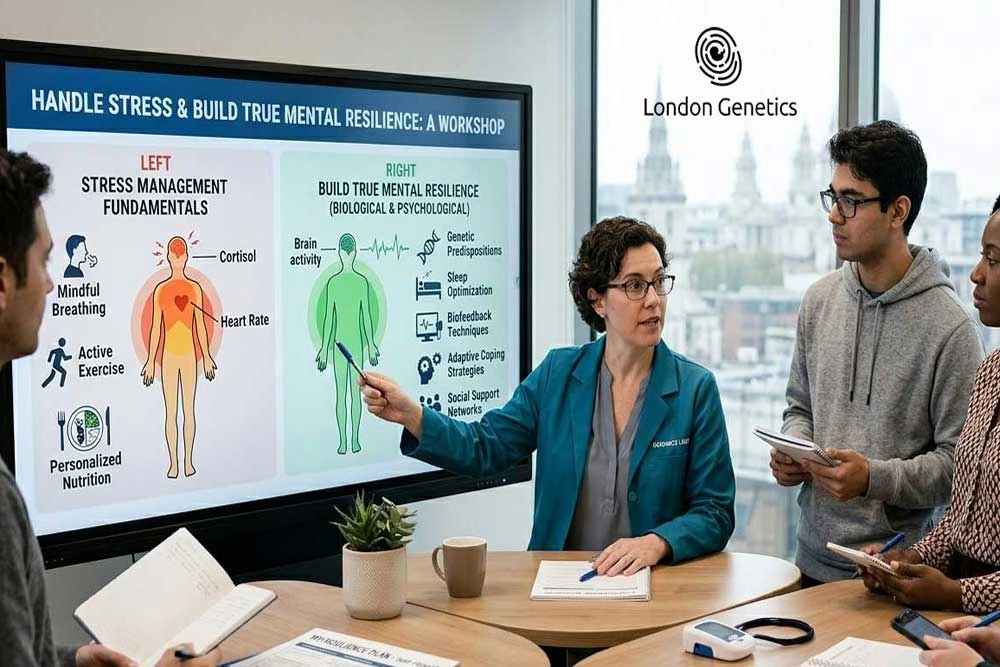
Introduction: Rethinking Our Relationship with Stress
In today’s fast-paced world, almost everyone is searching for effective ways on how to handle stress. From mindfulness apps to generic wellness checklists, the market is flooded with advice. Yet, despite following these popular routines, many people still find themselves feeling chronically overwhelmed and exhausted. Why is that? The truth is, traditional stress management methods often treat stress as a one-size-fits-all problem, ignoring the unique biological differences that shape our daily lives.
To truly understand how to handle stress, we first need to redefine what stress actually is. It is not merely an emotional failure or a sign of weakness; rather, it is a sophisticated, full-body physiological response designed to protect us. However, when modern lifestyle pressures keep this survival mechanism permanently switched on, it directly impacts our long-term wellbeing.
Because everyone’s internal blueprint reacts differently to environmental pressures, a strategy that works wonders for a friend might leave you feeling completely drained. To build genuine resilience, we must look beyond generic advice. True mental strength begins when we uncover our individual biological responses, which is where looking into Stress & Mental Health Genetic Insights becomes invaluable to finding tailored, lifelong solutions.
The Blueprint of Resilience: What Is True Mental Strength?
When people ask how to handle stress, they often assume the ultimate goal is to eliminate pressure entirely from their lives. However, in the modern world, avoiding systemic challenges is virtually impossible. True mental strength is not about living in an isolated bubble completely free of tension; rather, it is about building what scientists define as psychological resilience.
The underlying philosophy of modern behavioral oncology and neuro-wellness lies in replacing reactive panic containment with strategic psychological foresight. Analysing how individual neurological stress-response profiles interact with unexpected structural crises allows clinical teams to eliminate outdated trial-and-error coping programs. Mapping these precise resilience pathways transforms abstract psychological theory into an unshakeable, personalised blueprint for long-term health maintenance.
Foundations First: How to Handle Stress Daily Through Lifestyle
Before diving into complex psychological therapies, we must first address the physical foundations of our wellbeing. The most sustainable way on how to handle stress long-term is by looking closely at our daily lifestyle choices. Our brains and bodies rely heavily on predictable, healthy routines to regulate mood and process anxiety. When these basic physical foundations crumble, our emotional resilience goes with them.
To master how to handle stress on a daily basis, we need to focus on three critical pillars:
-
The Power of Sleep and Circadian Rhythms: Sleep is not passive downtime; it is an active recovery phase for your brain. Aligning your schedule with your natural circadian rhythm—the internal biological clock—dramatically lowers baseline cortisol levels. Simple shifts, such as avoiding bright screens late in the evening and catching natural morning daylight, signal your brain to reset its stress pathways.
-
Nutritional Support for the Nervous System: What we eat directly communicates with our brain. Diets high in ultra-processed foods and refined sugars cause rapid blood sugar crashes, which the body interprets as a physical emergency, triggering a false stress response. Optimising your diet with whole foods, complex carbohydrates, and healthy fats provides the steady energy your nervous system requires to stay balanced under pressure.
-
Movement and Physical Release: Regular, moderate physical activity acts as a natural pressure valve. Exercise helps metabolise excess stress hormones that build up during high-pressure situations, replacing them with endorphins that naturally lift your mood.
By treating these lifestyle habits as non-negotiable foundations, you effectively build a physical buffer against external chaos. You provide your body with the raw resources it needs to manage daily demands before they even have a chance to turn into chronic anxiety.
Mindset Shifts: Practical Psychological Tools for High-Pressure Moments
While building long-term lifestyle habits is essential, we also need immediate, actionable strategies when an unexpected crisis hits. Knowing how to handle stress in the exact moment it strikes can effectively prevent a temporary spike in acute anxiety from spiralling into full-scale panic.
Analysing the real-time behavioral traits behind emotional resilience reveals that stress containment is highly predictable. By replacing outdated trial-and-error coping mechanisms with advanced, structured physiological screening tools, individuals can accurately categorise individual pressure thresholds, ensuring maximum cognitive control and personalised psychological safety long before a high-pressure crisis occurs.
Why Do We React Differently? The Invisible Factors Shaping Stress Responses
Have you ever noticed how two people can face the exact same high-pressure situation at work, yet react in completely opposite ways? One colleague might seem entirely unfazed, casually organizing their workload, while you find yourself struggling to sleep and feeling deeply overwhelmed. This common scenario leads many to wonder why general advice on how to handle stress simply does not work for everyone. We often blame ourselves, assuming a lack of willpower or emotional discipline is the cause. However, the real explanation is far more complex and lies deep within our unique internal blueprint.
When exploring how to handle stress, we must accept that every human being possesses an entirely unique set of invisible, internal factors that dictate their emotional threshold. There is no single, universal standard for pressure because our bodies are wired differently from the very beginning. What feels like a minor, easily manageable hurdle to one person can genuinely trigger a full physical survival response in another.
These invisible differences explain why popular wellness trends can be so hit-or-miss. A specific breathing technique or a rigid meditation routine might work wonders for your friend, offering them instant relief, yet leave you feeling restless and frustrated. This happens because your physiological starting point is different. Your nervous system, your natural chemical messengers, and the way your body processes daily pressure are all highly individualized.
Ultimately, mastering how to handle stress successfully requires us to stop comparing our reactions to those around us. We must move away from the frustration of failed generic remedies and begin recognizing that our personal responses are shaped by hidden biological variations. Once you understand that your reaction to pressure is not an emotional flaw but a unique physical response, you can stop guessing how to handle stress using someone else’s manual and begin looking for solutions tailored precisely to your own body.
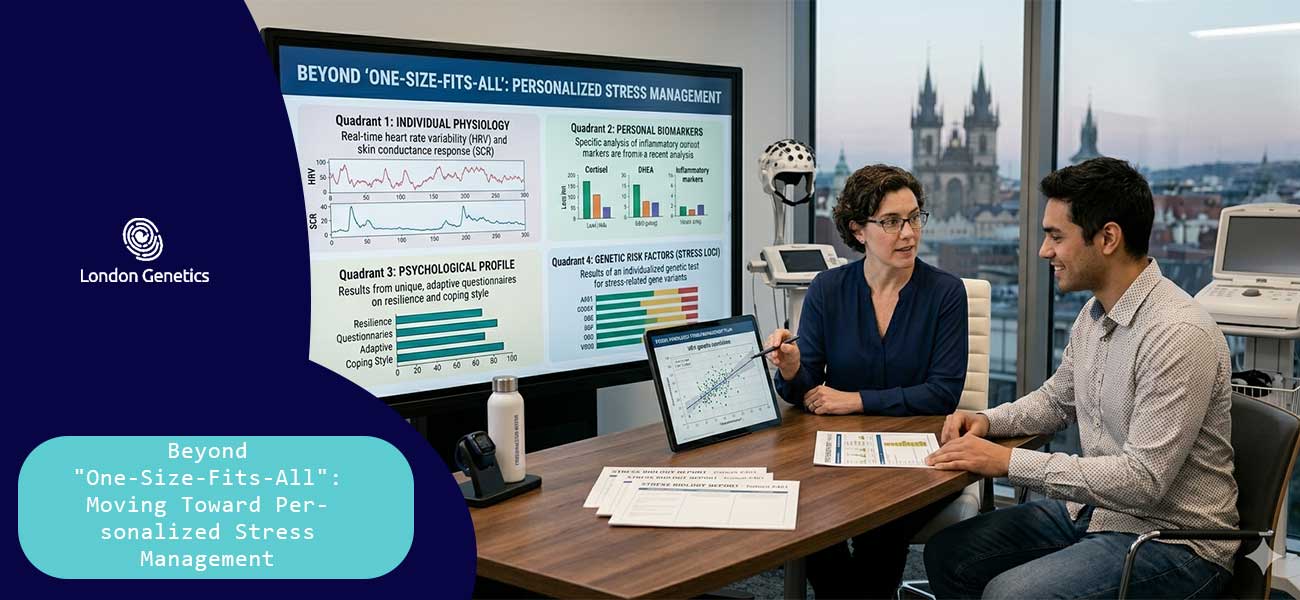
Beyond “One-Size-Fits-All”: Moving Toward Personalized Stress Management
For decades, the global wellness industry has promoted a generic, uniform approach to mental wellbeing. We have been told that if we simply drink enough green tea, practise standard mindfulness, or follow a rigid exercise programme, we will automatically unlock the secret of how to handle stress. However, as millions of individuals have discovered, these cookie-cutter solutions frequently fall short. To achieve the highest possible level of mental resilience, we must finally move beyond this “one-size-fits-all” mindset and look directly at our own biology.
When it comes to learning how to handle stress efficiently, your biological individuality changes everything. True mental strength cannot be mass-produced because your brain chemistry, hormone production, and cellular recovery rates are entirely unique to you. For instance, a high-intensity workout might be an incredible stress-reliever for one person, while for another, it actually spikes cortisol levels and exacerbates chronic exhaustion. Without understanding your body’s specific internal patterns, trying to manage anxiety is like wandering through a strange city without a map.
Shifting toward personalised stress management means treating your body as an individual ecosystem rather than a textbook case. When you align your daily routines, diet, and recovery strategies with your unique physiological needs, you stop wasting time on trial-and-error wellness trends. Finding out how to handle stress based on your specific biological blueprint allows you to optimise your energy, protect your nervous system, and build an unshakeable foundation of genuine mental resilience that fits your life perfectly.
Conclusion: Empowering Your Wellbeing Through Self-Discovery
Ultimately, learning how to handle stress and building true mental resilience is not about forcing yourself into a generic, rigid mould. It is a profound journey of self-discovery. When you step away from the frustration of “one-size-fits-all” advice and begin to truly understand how your unique body and mind function under pressure, you reclaim absolute control over your personal wellbeing and long-term psychological health.
Relying on traditional trial-and-error coping methods means leaving your emotional recovery and nervous system parameters completely to chance. Advanced genetic mapping represents the next great leap in proactive mental wellness, allowing individuals and medical teams to transition from frustrating, surface-level guesswork to an absolute predictive shield tailored carefully to your shared biological reality.
Book Your Consultation with Dr Karimiani