
Understanding the Concept of a Personalised Health Roadmap
A Personalised Health Roadmap is a structured, science‑based approach to understanding your unique health profile and using that knowledge to guide daily habits, long‑term wellbeing strategies, and preventative care. Instead of relying on general health recommendations, this model focuses on tailoring decisions to the individual — their biology, behaviour, lifestyle, and goals.
What Is a Personalised Health Roadmap?
At its core, a Personalised Health Roadmap is a customised plan that helps individuals:
- Identify their current health status
- Understand their genetic, behavioural, and environmental influences
- Use targeted strategies to optimise wellbeing
- Track progress and make data‑informed adjustments
It is a dynamic, evolving framework rather than a one‑time guideline, meaning it adapts as your health needs and goals change.
Why Personalisation Matters
Traditional health advice is broad and often fails to address individual differences. Two people can follow the same diet, training plan, or sleep routine yet achieve very different results. A Personalised Health Roadmap reduces this trial‑and‑error by considering:
- Genetic predispositions
- Lifestyle factors
- Stress and sleep patterns
- Nutritional responses
- Physical activity levels
- Environmental exposures
This personalised model empowers individuals to make decisions that genuinely align with their biology and health priorities.
The Role of Genetic and Biological Insights
Modern health planning increasingly incorporates advanced data such as genomics, biomarkers, and personalised reports. As Personalised Genetics Services become more accessible, individuals can uncover predispositions related to metabolism, sleep patterns, nutrient processing, exercise response, inflammation, and long‑term disease risks.
These insights, supported by ongoing Genomic Research, make it possible to design health strategies that are more accurate, preventative, and tailored than ever before.
A Dynamic and Long‑Term Framework
A Personalised Health Roadmap is not a fixed plan; it evolves as you:
- Change routines and lifestyle
- Modify goals
- Track new data
- Experience shifts in health status
This ongoing process ensures health strategies remain relevant, effective, and aligned with your body’s real‑time needs.
The Role of Genetics and Biomarkers in Personalised Health
Genetics and biomarkers form the foundation of a Personalised Health Roadmap, revealing how your body responds, adapts, and maintains long‑term wellbeing. Together, they guide precise decisions on nutrition, exercise, sleep, and disease prevention based on your unique biology.
Genetics defines your baseline, while biomarkers reveal your present. Together, they build a powerful, personalised pathway toward long‑term health and measurable wellbeing.
Lifestyle Foundations: Sleep, Nutrition, Movement, and Stress
Lifestyle behaviours form the practical backbone of any Personalised Health Roadmap. While genetics and biomarkers reveal your biological tendencies, it is your daily habits—how you sleep, eat, move, and manage stress—that ultimately determine how your health evolves. These four pillars influence almost every aspect of wellbeing, from metabolic health and cognitive function to emotional resilience and long‑term disease prevention.
The Central Role of Sleep in Personalised Health
Sleep is one of the most powerful regulators of physical and mental health. It affects hormones, metabolism, recovery, immune function, and emotional balance.
Key influences of sleep include:
- Regulation of hunger hormones (ghrelin and leptin)
- Improved memory, learning, and decision‑making
- Enhanced muscle recovery and tissue repair
- Stronger immune defence
- Balanced mood and stress resilience
Within a Personalised Health Roadmap, sleep recommendations can be tailored based on your chronotype, genetic circadian tendencies, and biomarkers such as cortisol or inflammation levels.
Nutrition as a Personalised Foundation
Nutrition shapes energy levels, metabolism, gut health, and long‑term disease risk. Because different bodies respond differently to foods, personalised nutrition helps eliminate guesswork and supports more efficient, sustainable choices.
Personalised nutrition considers:
- Genetic predispositions (e.g., lactose intolerance, gluten sensitivity, fat metabolism)
- Biomarkers such as blood glucose, lipid profile, and micronutrient levels
- Gut microbiome composition
- Individual goals (e.g., weight management, muscle gain, longevity, hormonal balance)
This targeted approach ensures that dietary strategies support—not conflict with—your biological needs, strengthening the effectiveness of your Personalised Health Roadmap.
Movement and Exercise as Customisable Health Tools
Movement is essential for metabolic balance, cardiovascular health, mental wellbeing, and longevity. However, the most effective exercise plan varies heavily between individuals.
Factors influencing personalised exercise include:
- Genetic exercise response (power vs endurance)
- Injury risk markers
- Aerobic capacity
- Muscle fibre composition
- Stress and recovery biomarkers
- Lifestyle patterns and daily energy expenditure
Aligning your movement routine with your biology improves performance, reduces injury risk, and boosts overall health outcomes.
Stress Management and Emotional Regulation
Stress has profound effects on nearly every bodily system. Chronic stress elevates inflammation, alters sleep, disrupts hormones, affects digestion, and undermines mental clarity.
Effective stress management within a Personalised Health Roadmap incorporates:
- Understanding cortisol patterns
- Tracking heart‑rate variability (HRV)
- Identifying individual stress triggers
- Tailoring techniques such as mindfulness, breathing exercises, cold exposure, or structured rest
- Building daily habits that promote psychological resilience
Personalised strategies help reduce the long‑term impact of stress while enhancing overall wellbeing and energy stability.
Integrating All Four Lifestyle Pillars
When sleep, nutrition, movement, and stress management are aligned with your biology, they create a powerful and sustainable foundation for long‑term health. These lifestyle elements are the daily drivers that bring your Personalised Health Roadmap to life, turning scientific insights into practical, meaningful action.
Using Data and Tracking Tools to Shape Your Personalised Health Roadmap
Continuous data tracking transforms your Personalised Health Roadmap into a dynamic, evidence‑based system. Wearables, apps, lab tests, and daily metrics reveal how your body responds in real time, enabling smarter adjustments and long‑term optimisation.

Core elements that make data‑driven personalisation effective.


Key Takeaway:
Data transforms your Personalised Health Roadmap into a living system—responsive, measurable, and uniquely aligned with your body’s needs.
Preventative Health Strategies and Early Risk Identification
Preventative health is a core component of any effective Personalised Health Roadmap. Instead of waiting for symptoms or problems to arise, preventative strategies focus on identifying risks early, reducing the likelihood of chronic conditions, and maintaining long‑term wellbeing. By combining genetic insights, biomarkers, lifestyle data, and regular monitoring, individuals can take proactive steps to protect their health before issues develop.
Why Prevention Matters in Personalised Health
Preventative health shifts the focus from treatment to proactive care. This approach helps individuals:
- Detect risks long before symptoms appear
- Slow or stop the progression of potential conditions
- Reduce healthcare costs over time
- Increase energy, longevity, and quality of life
- Strengthen resilience against lifestyle‑related diseases
In a Personalised Health Roadmap, prevention becomes a continuous practice rather than a reactive measure.
Using Genetics to Identify Early Risks
Genetic information provides valuable clues about predispositions that may impact long‑term health. Genetic insights allow individuals to understand which areas require heightened attention, such as:
- Cardiometabolic risks (e.g., cholesterol, blood pressure, insulin resistance)
- Nutrient metabolism (e.g., vitamin D processing, folate pathways)
- Hormonal imbalances
- Inflammation tendencies
- Sensitivities to toxins, caffeine, or stress
- Predisposition to weight gain or visceral fat
By knowing these risks early, the Personalised Health Roadmap can be tailored to prevent issues rather than manage them after onset.
The Role of Biomarkers in Early Detection
Biomarkers act as dynamic indicators of health status and are essential tools for preventative care. Because they change over time, they offer real‑time feedback that can highlight potential problems long before they become clinically significant.
Common early‑warning biomarkers include:
- CRP and inflammatory markers
- HbA1c and fasting glucose (metabolic health)
- Lipid profile (LDL, HDL, triglycerides)
- Thyroid hormones (TSH, T3, T4)
- Cortisol patterns (stress response)
- Vitamin and mineral levels
- Liver and kidney function markers
Regular monitoring helps identify trends—such as rising inflammation or declining hormone balance—that allow for early intervention.
Lifestyle‑Based Preventative Strategies
Preventative health also includes daily lifestyle decisions that reduce risks and support long‑term wellbeing.
Key lifestyle-based strategies include:
- Optimising sleep to regulate immune and metabolic function
- Adopting personalised nutrition, aligned with biomarkers and genetics
- Maintaining consistent movement, including strength, aerobic, and mobility training
- Managing stress to reduce chronic inflammation and hormonal dysregulation
- Supporting gut health through fibre-rich foods, probiotics, and stress control
- Avoiding harmful exposures, such as tobacco, excessive alcohol, and environmental toxins
These foundational habits make your Personalised Health Roadmap more resilient and protective.
Regular Health Screenings and Proactive Monitoring
Routine check-ups, audits, and screenings provide structured opportunities to catch risks early. Combining medical testing with personal data creates a more complete picture.
Examples of valuable screenings include:
- Cardiovascular assessments
- Metabolic panels
- Hormonal evaluations
- Cancer screening appropriate by age and risk
- Bone density testing
- Gut microbiome analysis
Regular intervals—every 6–12 months—ensure that your Personalised Health Roadmap remains updated and reflective of your current health status.
Tracking Trends Rather Than One‑Off Results
Preventative health is most effective when patterns—not just isolated results—are analysed. Tracking trends allows you to understand whether health markers are improving, stabilising, or quietly worsening.
Helpful long‑term trends include:
- Gradual changes in HRV
- Shifts in fasting glucose or insulin
- Consistent changes in sleep efficiency
- Rising inflammatory markers
- Altered cortisol patterns
- Declining vitamin status
These trends empower individuals to intervene early and maintain optimal health.
Building a Proactive Mindset
Ultimately, preventative health is a mindset that emphasises long-term wellbeing rather than short-term fixes. A proactive approach helps individuals:
- Stay ahead of potential problems
- Make decisions based on evidence rather than fear
- Reduce uncertainty about their future health
- Build confidence in their daily routines
Preventative strategies are therefore a key driver in creating a sustainable and effective Personalised Health Roadmap.
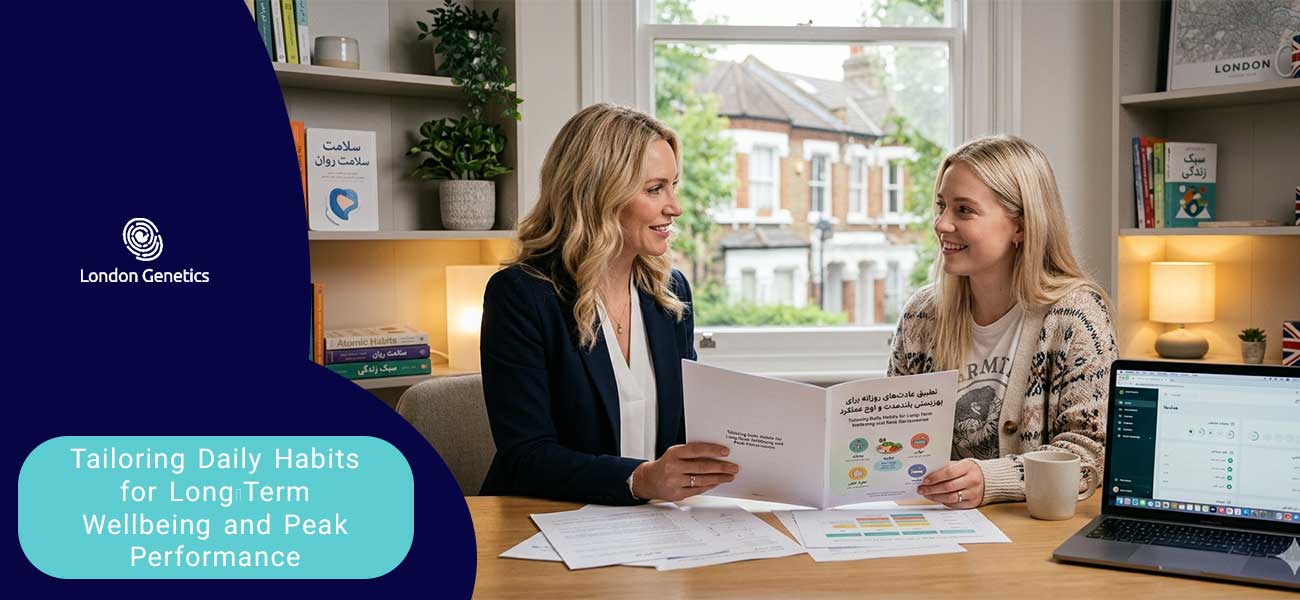
Tailoring Daily Habits for Long‑Term Wellbeing and Peak Performance
Daily habits form the practical, lived expression of your Personalised Health Roadmap. While genetics, biomarkers, and preventative strategies provide the scientific foundation, it is your everyday choices that ultimately determine how your health evolves. Tailoring habits to your unique biology allows you to optimise energy, enhance resilience, and sustain long‑term wellbeing and performance without burnout or guesswork.
Why Personalised Daily Habits Matter
Generic advice often fails because it ignores individual differences. By aligning habits with your biological needs, lifestyle context, and personal goals, you can:
- Improve consistency and motivation
- Reduce unnecessary trial-and-error
- Support long-term physical and mental performance
- Prevent overtraining, fatigue, or nutrient imbalances
- Reinforce positive health trajectories identified in your biomarkers
- Build routines that feel natural—not forced
Your daily habits become an extension of your personalised strategy rather than a generic checklist.
Designing Personalised Sleep Routines
High‑quality sleep is central to physical recovery, cognitive clarity, metabolic regulation, and emotional balance. Tailored sleep routines consider:
- Your genetic chronotype (morningness vs eveningness)
- Cortisol and melatonin patterns
- Sleep tracking data from wearables
- Lifestyle demands (shift work, training schedule, stress)
Personalised adjustments may include:
- Optimising bedtime and wake time based on your natural rhythm
- Adjusting light exposure (morning light or blue‑light reduction)
- Creating a sleep‑supportive evening routine
- Managing stimulants such as caffeine based on genetic sensitivity
- Enhancing recovery with targeted nutrients (e.g., magnesium, glycine)
Sleep consistency amplifies long‑term wellbeing and performance.
Building Nutrition Habits That Fit Your Biology
Nutrition is highly individual. Tailoring dietary habits around your biomarkers and genetic factors ensures your body gets the fuel and support it needs.
Elements to personalise include:
- Meal timing based on glucose patterns or circadian rhythm
- Macronutrient ratios influenced by metabolism or exercise type
- Food sensitivities or intolerances
- Vitamin and mineral needs (e.g., vitamin D, iron, omega‑3)
- Gut health considerations
- Hydration needs linked to activity level or environment
Examples of personalised nutrition habits:
- Adjusting carb intake around workouts if genetically power‑oriented
- Increasing anti‑inflammatory foods if CRP is elevated
- Tailoring fibre intake to support microbiome diversity
- Using consistent meal timing to improve metabolic stability
Personalised nutrition removes confusion and supports steady energy and recovery.
Movement and Training Built for Your Body
Exercise is essential for health, but the best routine depends heavily on your genetics, goals, and recovery patterns. Personalised movement habits may consider:
- Power vs endurance genetic tendencies
- VO₂ max or aerobic markers
- Muscle fibre composition
- Injury‑risk genes
- Recovery metrics such as HRV and resting heart rate
- Stress load from work and life
Practical personalised strategies include:
- Scheduling high‑intensity training on days when HRV is high
- Using strength training more heavily if you are power‑dominant
- Increasing low‑intensity movement on high-stress days
- Incorporating mobility routines if biomechanical risk markers are present
When movement aligns with your biology, performance improves while injury risk declines.
Daily Stress‑Management Strategies for Longevity
Chronic stress undermines energy, immunity, sleep, mood, and hormones. Personalised stress‑management habits should reflect your psychological profile, cortisol rhythms, and lifestyle context.
Helpful tailored strategies include:
- Breathing techniques to regulate cortisol
- Mindfulness or meditation based on stress response patterns
- Nature exposure for mood stabilisation
- Micro‑breaks throughout the day to prevent cognitive overload
- Cold or heat therapies if tolerated
- Journalling for emotional clarity
- Reducing digital stimulation in the evening
Stress management becomes a preventive tool rather than a crisis response.
Creating Habit Systems That Sustain Long‑Term Success
Personalised habits work best when supported by sustainable systems rather than willpower alone. Effective habit systems include:
- Morning routines aligned with circadian biology
- Evening rituals that promote sleep readiness
- Weekly planning that includes nutrition, movement, and recovery
- Habit stacking to make behaviours automatic
- Environmental design (e.g., preparing healthy foods in advance)
- Consistent data review to stay aligned with progress
These systems turn your Personalised Health Roadmap into a lived reality.
Adapting and Evolving Your Habits Over Time
Your needs change with:
- Age
- Stress levels
- Work cycles
- Training phases
- Biomarker shifts
- Seasonal differences
- Personal goals
A personalised approach ensures your habits are flexible and updated regularly—preventing stagnation and maximising long‑term wellbeing and peak performance.
Conclusion: Building a Sustainable Personalised Health Roadmap
A Personalised Health Roadmap shifts your wellbeing from reactive care to a proactive, data‑driven approach aligned with your unique biology. By integrating genetics, biomarkers, lifestyle patterns, and continuous tracking, individuals gain clearer, more effective pathways for long‑term health.
Personalisation is powerful because it evolves with you—your goals, environment, and physiology. With ongoing review and, when needed, expert support, this roadmap becomes a long‑term lifestyle foundation rather than a temporary strategy.
A Proactive Approach to Wellbeing:
Personalised health empowers you to anticipate needs, optimise daily habits, and respond effectively to early biological signals.
Integration of Multiple Data Sources:
Genetics, biomarkers, and lifestyle tracking combine to create a precise, adaptable health framework.
Dynamic and Evolving Strategy:
Your roadmap adjusts as your body and circumstances change, ensuring continued relevance and effectiveness.
Support from Personalised Health Experts:
Professional guidance enhances interpretation, decision‑making, and long‑term consistency where needed.
Long‑Term Sustainability:
Personalisation becomes a lifelong approach—supporting resilience, peak performance, and overall wellbeing.