Introduction – Understanding Pregnancy Complications
Pregnancy is a remarkable and transformative journey for every woman, filled with excitement and anticipation as expectant mothers prepare to welcome a new life. However, it is important to acknowledge that complications can sometimes arise, making it essential for every expecting mother to understand Pregnancy Complications.
Pregnancy Complications refer to health conditions that may affect a woman during gestation, labour, or the postpartum period. These issues can range from mild to severe and may develop at any stage of pregnancy. While many pregnancies progress smoothly without significant problems, some women may experience conditions that require medical attention and careful monitoring. Early detection through regular prenatal check-ups plays a crucial role in managing these complications effectively.
Certain factors may increase the risk of developing Pregnancy Complications, including age, pre-existing health conditions, obesity, smoking, and a family history of genetic disorders. However, complications can occur even in women without any known risk factors, which is why universal screening and monitoring are vital throughout pregnancy.
One valuable resource for expectant mothers is Prenatal Genetic Counselling. This service provides information about the risk of genetic disorders and helps parents understand potential hereditary conditions that may affect their baby. In some cases, Genetic Counselling may also be recommended if screening tests indicate any concerns, offering support and guidance to help parents make informed decisions.
The goal of this article is to explore the most common Pregnancy Complications, their symptoms, risk factors, and treatment options. By being informed, expecting mothers can recognise warning signs early, seek appropriate medical care, and work closely with their healthcare providers to ensure the best possible outcomes for both mother and baby.
Gestational Diabetes – When Blood Sugar Levels Rise
Gestational diabetes is one of the most common pregnancy complications, affecting nearly one in ten pregnant women.
It occurs when the body is unable to produce enough insulin to manage the increased blood sugar levels during pregnancy.
Most women compensate by producing extra insulin, but when this does not occur, gestational diabetes develops.
Major risk factors include being overweight, having a family history of diabetes, being over age 25, and having previously delivered a large baby.
When symptoms do appear, they may include excessive thirst, frequent urination, fatigue, and blurred vision.
Diagnosis usually occurs between 24 and 28 weeks through an oral glucose tolerance test.
eating balanced meals, and increasing fibre consumption. Regular physical activity also plays a key role.
In some cases, medication or insulin injections are needed to keep blood sugar levels under control.
It also increases the risk of preterm birth and low blood sugar in newborns.
Women who experience gestational diabetes are more likely to develop type 2 diabetes later in life.
After learning about gestational diabetes, another significant pregnancy complication that requires clinical attention is pre‑eclampsia.
Gestational diabetes is common but manageable. With early diagnosis, lifestyle changes, and proper monitoring,
most women experience healthy pregnancies and safe deliveries.
Pre-eclampsia – High Blood Pressure and Its Dangers
Pre-eclampsia is a serious Pregnancy Complications that affects around 5-8% of pregnant women in the UK, typically developing after 20 weeks of pregnancy. It is characterised by high blood pressure and signs of damage to other organs, most commonly the kidneys.
Causes and Risk Factors
The exact cause of pre-eclampsia is not fully understood, but it is related to problems with the placenta’s blood vessels. Risk factors include first-time pregnancies, a family history of pre-eclampsia, being under 20 or over 35 years old, multiple pregnancies, and pre-existing conditions such as diabetes or high blood pressure.
Symptoms and Diagnosis
Common symptoms include severe headaches, vision problems such as blurred vision or seeing spots, pain in the upper abdomen, sudden swelling in the hands and face, and nausea or vomiting. However, some women may have no obvious signs, which is why regular blood pressure checks and urine tests during prenatal appointments are crucial for early detection.
Risks and Complications
Pre-eclampsia can restrict blood flow to the placenta, meaning the baby may not receive adequate oxygen and nutrients, leading to slow growth and low birth weight. In severe cases, the condition can progress to eclampsia, which causes seizures and can be life-threatening for both mother and baby. Other complications may include placental abruption, where the placenta separates from the uterine wall prematurely.
Treatment and Management
Treatment depends on the severity of the condition and how far along the pregnancy is. Mild cases may be managed with close monitoring, bed rest, and medication to lower blood pressure. In more severe cases, early delivery of the baby may be necessary, which often means inducing labour or performing a caesarean section. Regular prenatal care is essential for detecting and managing this condition effectively.
Pre-eclampsia highlights the importance of monitoring blood pressure throughout pregnancy. Another placental complication that expectant mothers should be aware of is placenta praevia, which is discussed in the following section.
Placental Complications – Problems with the Placenta
The placenta is a vital organ that supports the growing baby by providing oxygen and essential nutrients while removing waste products. Several pregnancy complications can affect the placenta, creating risks for both mother and baby.

An overview of the most important placental complications during pregnancy.

Placenta praevia occurs when the placenta lies low in the uterus and covers the cervix. It is more common in women with prior pregnancies, caesarean sections, or uterine surgeries.
The main symptom is painless vaginal bleeding in the third trimester, which can vary from light to heavy. Women are often advised to avoid strenuous activity, heavy lifting, and sexual intercourse. In most cases, a caesarean section is recommended to prevent complications during delivery.

Placental abruption is a serious condition where the placenta detaches from the uterus before birth. It may occur suddenly and is associated with factors such as trauma, smoking, or high blood pressure, though sometimes the cause is unknown.
Symptoms include vaginal bleeding, abdominal pain, uterine tenderness, and back pain. Bleeding may be internal, making it difficult to detect. Immediate medical care is essential to protect the baby from oxygen deprivation and prevent severe complications.

Treatment depends on how severe the complication is and how far along the pregnancy has progressed. Mild cases may only require close monitoring through regular scans and check-ups. More severe cases may require hospitalisation, emergency interventions, or early delivery to protect both mother and baby.

Understanding placental complications helps expectant mothers recognise symptoms early and seek timely care. Awareness can reduce risks and improve outcomes for both mother and baby. Another pregnancy condition requiring close attention is hyperemesis gravidarum, characterised by severe nausea and vomiting.
Key Takeaway:
Placental complications such as placenta praevia and placental abruption can pose serious risks, but early diagnosis, monitoring, and appropriate medical care significantly improve outcomes. Recognising symptoms and maintaining regular prenatal check‑ups are essential for a safe and healthy pregnancy.
Hyperemesis Gravidarum – Severe and Persistent Nausea
Hyperemesis gravidarum is a severe form of nausea and vomiting that affects a small but significant number of pregnant women. While morning sickness is common in early pregnancy and usually resolves by the second trimester, hyperemesis gravidarum is a much more serious Pregnancy Complications that can have a major impact on daily life.
Causes and Risk Factors
The exact cause is not fully understood, but it is believed to be linked to the rapid rise in pregnancy hormones, particularly human chorionic gonadotropin (hCG). Women carrying multiples, those with a history of motion sickness, or those who have experienced hyperemesis in a previous pregnancy are at higher risk. It is also more common in first-time mothers and younger women.
Symptoms and Diagnosis
Unlike ordinary morning sickness, hyperemesis gravidarum involves persistent vomiting, severe dehydration, weight loss of more than 5% of body weight, and electrolyte imbalances. Women may be unable to keep down food or fluids, leading to dizziness, weakness, and frequent urination. Diagnosis is based on symptoms and medical history, along with blood tests to check for dehydration and electrolyte levels.
Treatment and Management
Treatment varies depending on severity. Mild cases may be managed with dietary changes, such as eating small, frequent meals and avoiding strong-smelling foods. More severe cases often require hospitalisation for intravenous fluids, anti-sickness medications, and nutritional support. In some instances, a feeding tube may be necessary to ensure the mother and baby receive adequate nutrition.
Impact on Daily Life
This condition can be physically and emotionally exhausting, affecting a woman’s ability to work, care for other children, or carry out everyday activities. Support from family, friends, and healthcare professionals is essential during this challenging time.
With appropriate treatment and support, most women with hyperemesis gravidarum go on to have healthy pregnancies. Another important pregnancy complication that can occur is preterm labour, which is discussed in the next section.
Preterm Labour – When Labour Starts Too Early
Preterm labour refers to the onset of labour before the 37th week of pregnancy. It is one of the most serious Pregnancy Complications because babies born prematurely may face significant health challenges, as their organs, particularly the lungs and brain, have not fully developed.
Causes and Risk Factors
Preterm labour can occur for various reasons, including infections, cervical insufficiency (when the cervix opens too early), multiple pregnancies, and certain medical conditions such as diabetes or high blood pressure. Previous preterm birth, smoking, drug use, and stress can also increase the risk. However, in many cases, the exact cause remains unknown.
Symptoms and Warning Signs
Recognising the signs of preterm labour is crucial. These may include regular contractions that occur more than four times per hour, persistent lower back pain, pelvic pressure, a change in vaginal discharge (especially if it becomes watery, mucus-like, or bloody), and abdominal cramps. Any of these symptoms should be reported to a healthcare provider immediately.
Treatment and Management
If preterm labour is detected early, doctors may attempt to stop contractions using tocolytic medications. Corticosteroids are often administered to help the baby’s lungs mature more quickly, reducing the risk of breathing difficulties after birth. In some cases, bed rest or hospitalisation may be recommended. The goal is to prolong the pregnancy as much as possible to allow the baby more time to develop.
Risks for the Baby
Babies born preterm are at higher risk of respiratory problems, infections, feeding difficulties, and long-term developmental issues. The earlier the baby is born, the greater the risks. However, advances in neonatal care have significantly improved outcomes for premature infants.
Understanding the signs of preterm labour is vital for all expectant mothers. Another common pregnancy complication that can affect both mother and baby is iron deficiency anaemia, which is explored in the following section.
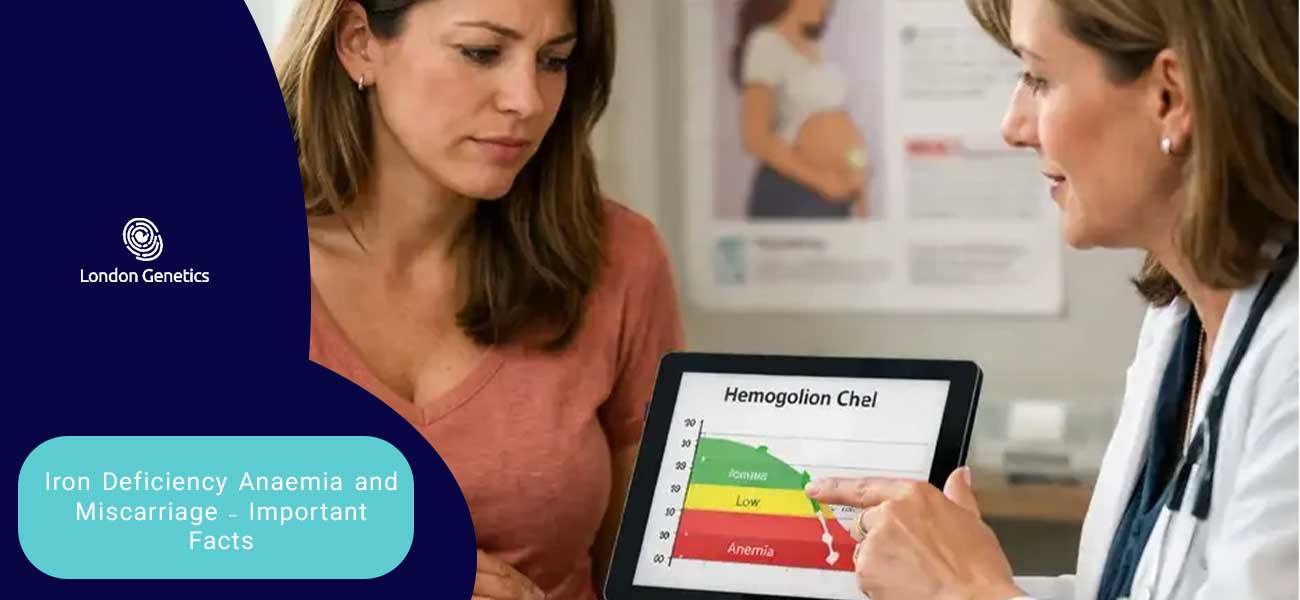
Iron Deficiency Anaemia and Miscarriage – Important Facts
Iron Deficiency Anaemia
Iron deficiency anaemia is one of the most common Pregnancy Complications, affecting many pregnant women worldwide. During pregnancy, the body requires significantly more iron to produce haemoglobin, the protein in red blood cells that carries oxygen to tissues and organs. As blood volume increases, the demand for iron rises substantially.
Causes and Risk Factors
The primary cause is insufficient iron intake through diet or poor absorption. Women with heavy menstrual periods before pregnancy, those carrying multiples, or those who have had closely spaced pregnancies are at higher risk. A diet lacking in iron-rich foods such as red meat, leafy green vegetables, beans, and fortified cereals can also contribute to this condition.
Symptoms and Diagnosis
Common symptoms include extreme fatigue, weakness, pale skin, shortness of breath, dizziness, and frequent headaches. Many women may attribute these symptoms to normal pregnancy changes, which is why routine blood tests during prenatal check-ups are essential for diagnosis.
Treatment and Prevention
Treatment typically involves iron supplements prescribed by a healthcare provider, along with dietary modifications to include more iron-rich foods. It is important to note that iron supplements can cause constipation or stomach upset, so drinking plenty of water and eating fibre-rich foods is recommended. Vitamin C can help improve iron absorption, so consuming foods such as oranges or strawberries alongside iron-rich meals is beneficial.
Risks for Mother and Baby
If left untreated, iron deficiency anaemia can increase the risk of preterm birth and low birth weight. It can also make the mother more susceptible to infections and fatigue during labour.
Miscarriage and Recurrent Pregnancy Loss
Miscarriage is another significant concern for expectant mothers and is considered one of the most distressing Pregnancy Complications. It is defined as the loss of a pregnancy before the 20th week and affects approximately one in four pregnancies, most commonly occurring in the first trimester.
Causes and Risk Factors
Miscarriages can occur for various reasons, including chromosomal abnormalities in the embryo, hormonal imbalances, uterine abnormalities, infections, and certain medical conditions such as uncontrolled diabetes or thyroid disorders. Advanced maternal age, smoking, alcohol consumption, and excessive caffeine intake may also increase the risk. However, in many cases, the exact cause cannot be determined.
Recurrent Pregnancy Loss
Recurrent pregnancy loss, defined as two or more consecutive miscarriages, affects approximately one in a hundred couples. This may warrant further investigation to identify underlying causes, such as genetic factors, structural problems with the uterus, or autoimmune conditions. Genetic Counselling can be particularly valuable for couples experiencing recurrent losses, helping them understand potential hereditary factors and explore options for future pregnancies.
Emotional Support
Experiencing a miscarriage can be devastating, and emotional support is crucial for both partners. Healthcare providers can offer counselling services and connect families with support groups. It is important to remember that many women who experience miscarriage go on to have successful, healthy pregnancies in the future.
Understanding these Pregnancy Complications is essential for all expectant mothers. The final section will provide a summary and concluding thoughts on maintaining a healthy pregnancy.
Conclusion – Staying Informed and Seeking Support
Pregnancy is a unique and personal journey filled with joy, excitement, and at times unexpected challenges. Throughout this article, we explored the most common pregnancy complications that expecting mothers should be aware of, including gestational diabetes, pre‑eclampsia, placental complications, hyperemesis gravidarum, preterm labour, iron deficiency anaemia, and miscarriage.
Being informed about these possibilities is not meant to create fear but to empower mothers to recognise early warning signs and seek timely medical care. Regular prenatal visits, open communication with healthcare providers, and careful attention to unusual symptoms are essential steps in promoting a healthy pregnancy.
The majority of pregnancies progress smoothly without major issues. Still, understanding potential risks and knowing when to seek help can significantly influence outcomes for both mother and baby. Maintaining healthy habits—such as balanced nutrition, regular physical activity, and avoiding harmful substances—also plays an important role in reducing risks.
Support from family, friends, and healthcare professionals can make a tremendous difference. Whether through prenatal classes, accessing genetic counselling when appropriate, or having a trusted midwife or doctor to turn to, a strong support network helps mothers navigate challenges with confidence.
In conclusion, while pregnancy complications can be concerning, awareness, early detection, and proper medical care lead to better outcomes. Every expecting mother deserves the highest standard of care, and by staying informed and proactive, she can take meaningful steps toward a healthy, positive pregnancy experience for herself and her baby.
Why This Matters:
Understanding pregnancy complications empowers mothers to seek timely care and promotes safer pregnancy outcomes.
The Importance of Awareness:
Staying informed helps expectant mothers recognise symptoms early, communicate effectively with healthcare providers, and access the right support when needed.
Your Next Step:
If you have concerns or risk factors, consider speaking with a healthcare professional or seeking genetic counselling to better understand your pregnancy journey.