What Are Genes in Injury and Tissue Repair?
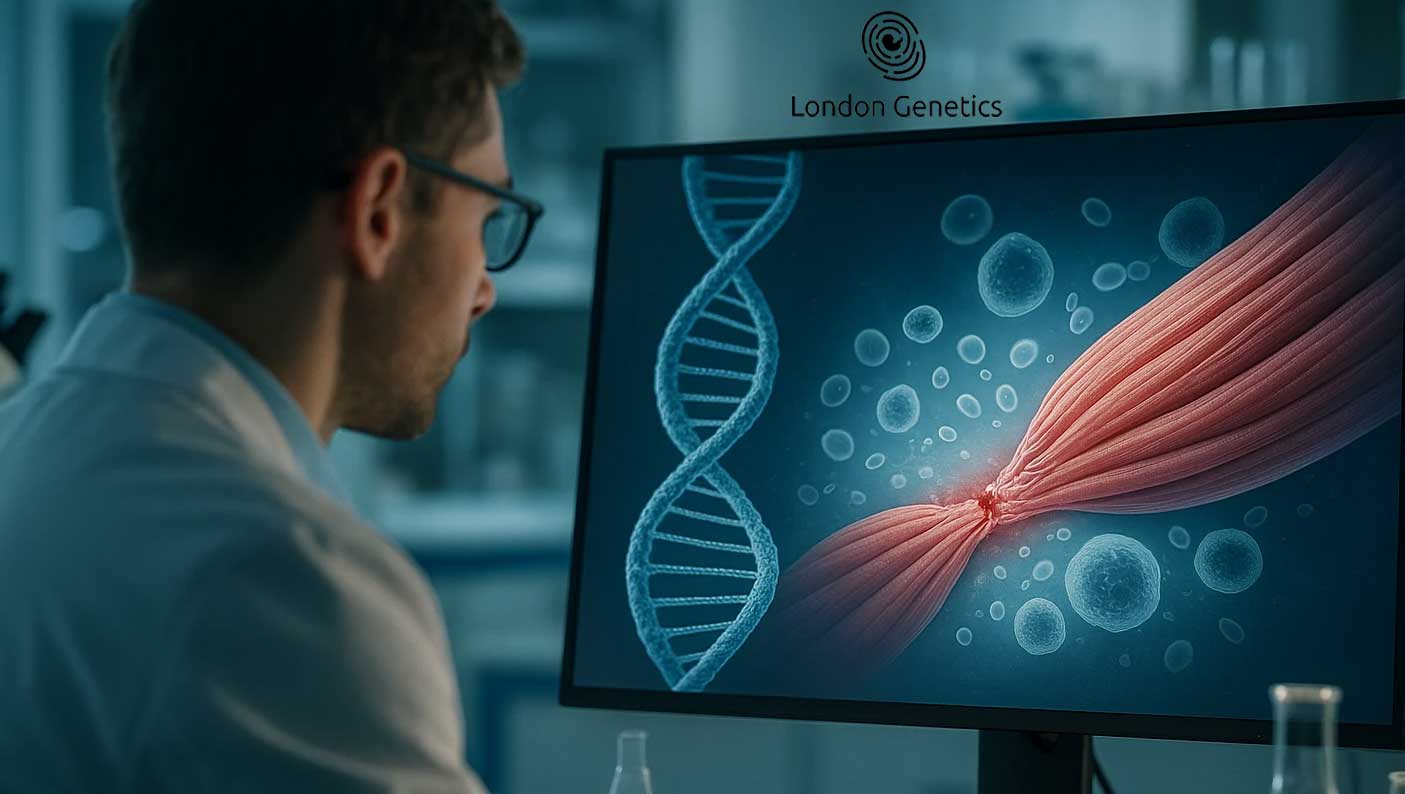
Genes in injury refer to the collection of genes that regulate how the body detects damage, responds to trauma, and repairs affected tissues. These genes control critical biological processes such as inflammation, cell signalling, tissue regeneration, and wound healing. When an injury occurs—whether from physical trauma, surgery, or intense physical activity—the body activates specific genetic pathways to initiate the repair process.
At the molecular level, genes in injury coordinate communication between immune cells, muscle cells, connective tissues, and blood vessels. This coordinated response helps limit tissue damage, remove damaged cells, and stimulate the growth of new cells needed for recovery. The efficiency of this process can vary between individuals, largely due to genetic differences that influence how strongly or quickly these repair mechanisms are activated.
How Genes Influence the Injury Response
Several genetic mechanisms become active immediately after tissue damage occurs. These mechanisms help control the body’s defence and healing systems.
Key functions of genes in injury include:
- Inflammation Regulation: Certain genes control inflammatory responses that help remove damaged tissue and prevent infection.
- Cell Growth and Regeneration: Some genes stimulate the production of new cells to replace injured tissue.
- Tissue Remodelling: Genes guide the rebuilding and restructuring of muscles, tendons, and connective tissues.
- Blood Vessel Formation: Specific genes promote angiogenesis, the formation of new blood vessels that supply oxygen and nutrients to healing tissues.
These genetic processes determine how quickly and effectively the body recovers from injury.
The Importance of Genetic Variation in Healing
Not everyone heals from injury in the same way. Variations in genes involved in injury can influence inflammation levels, tissue repair speed, and susceptibility to repeated injuries. Some individuals may naturally recover faster, while others may experience prolonged inflammation or slower tissue regeneration.
Understanding these genetic differences is becoming increasingly important in fields such as Genetic Wellness, where personalised health strategies are developed based on an individual’s genetic profile. By identifying how specific genes affect injury response, healthcare providers and researchers can design more targeted recovery and prevention strategies.
Genes, Athletic Performance, and Recovery
Genetics also plays a significant role in how athletes respond to physical stress and injury. In the field of Performance Genetics, scientists study how genetic variations influence muscle repair, inflammation control, and recovery time after training or injury.
For example, certain genes may affect:
- Muscle fibre repair and regeneration
- Tendon and ligament strength
- Inflammatory responses after intense exercise
- Recovery speed following tissue damage
Understanding the role of genes in injury not only helps explain why recovery differs between individuals but also supports the development of personalised training, rehabilitation, and injury prevention strategies.
How the Body Responds to Injury at the Genetic Level
When tissue injury occurs, the body activates a coordinated genetic response that detects damage, triggers immune defence, and begins tissue repair. Genes involved in injury control signalling pathways that regulate inflammation, cell survival, and regeneration, guiding the body through several stages of healing.
Injury recovery is guided by a dynamic network of genes that control inflammation, immune defence, and tissue regeneration. Understanding these mechanisms can help develop more personalised treatments and improve healing outcomes.
Key Genes Involved in Injury and Healing Processes
The process of injury recovery is controlled by a network of genes that regulate inflammation, cell repair, tissue regeneration, and structural rebuilding. These genes in injury activate specific molecular pathways that help the body respond to damage and restore normal tissue function. Scientists have identified several key genes that play a critical role in coordinating these healing mechanisms.
Understanding how these genes function helps researchers explain differences in healing speed, inflammation levels, and susceptibility to tissue damage.
Inflammatory Response Genes
One of the first biological responses after injury is inflammation. This stage is essential for clearing damaged cells and initiating the healing process. Several genes in injury regulate inflammatory signalling and immune cell activity.
Important inflammatory genes include:
- IL6 (Interleukin‑6): A cytokine gene that plays a central role in regulating immune responses and inflammation following tissue damage.
- TNF (Tumor Necrosis Factor): Controls inflammatory signalling and helps recruit immune cells to the injury site.
- IL1B (Interleukin‑1 Beta): Promotes the inflammatory cascade necessary for early injury response.
These genes help create the conditions needed for effective tissue repair.
Genes Involved in Tissue Regeneration
After the inflammatory phase, the body begins rebuilding damaged tissue. Certain genes in injury stimulate cell growth and tissue regeneration during this stage.
Examples include:
- VEGFA (Vascular Endothelial Growth Factor A): Stimulates the formation of new blood vessels, ensuring injured tissues receive oxygen and nutrients.
- FGF2 (Fibroblast Growth Factor 2): Promotes cell proliferation and supports tissue regeneration.
- TGF‑β (Transforming Growth Factor Beta): Regulates wound healing and extracellular matrix production.
These genes help guide the formation of new tissue structures.
Genes That Control Tissue Remodelling
Once new tissue forms, the body must reshape and strengthen it to restore full function. Several genes in injury control this remodelling phase by regulating collagen formation and the restructuring of connective tissues.
Key remodelling genes include:
- MMPs (Matrix Metalloproteinases): Enzymes that break down damaged extracellular matrix components to allow tissue rebuilding.
- COL1A1 and COL3A1: Genes responsible for producing collagen fibres that strengthen healing tissues.
- TIMP genes (Tissue Inhibitors of Metalloproteinases): Help balance tissue breakdown and rebuilding.
These genes ensure that repaired tissues regain stability and strength.
Genetic Interactions in the Healing Process
Healing is not controlled by a single gene but rather by the interaction of multiple genes in injury working together within complex biological pathways. These genes regulate inflammation, stimulate new cell growth, rebuild tissue structures, and eventually restore normal function.
Variations in these genes can influence how individuals respond to injury. Some people may experience faster recovery and stronger tissue repair, while others may be more prone to prolonged inflammation or repeated injuries. Ongoing research into genes in injury continues to improve our understanding of tissue healing and may lead to more personalised approaches to injury prevention and recovery.
The Role of Inflammatory Genes in Injury Response
Inflammation is one of the body’s earliest responses to tissue damage. Specific genes in injury regulate this process by activating immune signalling, recruiting defence cells, and preparing tissues for repair. While inflammation often causes pain and swelling, controlled activation of inflammatory genes is essential for effective healing.

Key genetic regulators that influence inflammation and recovery after injury.


Key Takeaway:
Inflammatory genes coordinate the body’s early defence and healing response after injury. Understanding these genetic pathways helps researchers develop targeted treatments and personalised rehabilitation strategies.
Genes That Regulate Tissue Regeneration and Repair
Tissue regeneration is a critical stage of the healing process that occurs after the initial inflammatory response. During this phase, the body activates several genes in injury that stimulate cell growth, tissue rebuilding, and the restoration of normal biological function. These genes control complex molecular pathways that guide the regeneration of damaged tissues and help replace lost or injured cells.
The coordinated activity of these genes in injury ensures that new tissue is formed efficiently and that the injured area regains its structural integrity.
Growth Factors and Regenerative Signalling
One of the most important mechanisms in tissue repair involves growth factors. These signalling molecules are controlled by specific genes in injury that regulate cell proliferation, migration, and differentiation.
Key regenerative genes include:
- VEGFA (Vascular Endothelial Growth Factor A): Promotes the formation of new blood vessels, a process known as angiogenesis. This ensures that healing tissues receive sufficient oxygen and nutrients.
- FGF2 (Fibroblast Growth Factor 2): Stimulates the growth and division of cells involved in tissue repair.
- PDGF (Platelet-Derived Growth Factor): Supports the recruitment and activation of cells that rebuild damaged tissue.
These genes help create the biological environment needed for effective tissue regeneration.
Genes Controlling Cell Proliferation
Successful tissue repair requires the rapid production of new cells to replace those lost during injury. Certain genes in injury regulate the cell cycle and control how quickly cells divide and multiply.
Important genes involved in this process include:
- MYC: A gene that regulates cell growth and proliferation.
- Cyclin genes (CCND family): Control the progression of cells through different stages of the cell cycle.
- EGFR (Epidermal Growth Factor Receptor): Stimulates cell division and tissue regeneration when activated.
By regulating cell proliferation, these genes ensure that enough new cells are produced to rebuild damaged tissues.
Extracellular Matrix Formation
Another key aspect of healing is the reconstruction of the extracellular matrix (ECM), which provides structural support for tissues. Several genes in injury control the production of proteins that form this supportive framework.
Examples include:
- COL1A1 and COL3A1: Responsible for producing collagen fibers that strengthen repaired tissues.
- FN1 (Fibronectin 1): Helps cells attach to the extracellular matrix and supports tissue organization.
- MMP genes (Matrix Metalloproteinases): Remodel damaged tissue and allow new tissue structures to form.
These genes help restore the architecture of the injured tissue.
The Coordination of Regenerative Genes
Tissue regeneration is not controlled by a single gene but by a network of interacting genes in injury. These genes regulate angiogenesis, cell proliferation, extracellular matrix formation, and tissue remodelling. The precise coordination of these processes determines how effectively the body can repair damaged tissues.
Advances in genetic research are improving our understanding of how genes in injury influence recovery after trauma, surgery, and musculoskeletal damage. This knowledge is helping scientists develop new therapeutic strategies aimed at enhancing tissue regeneration and accelerating the healing process.
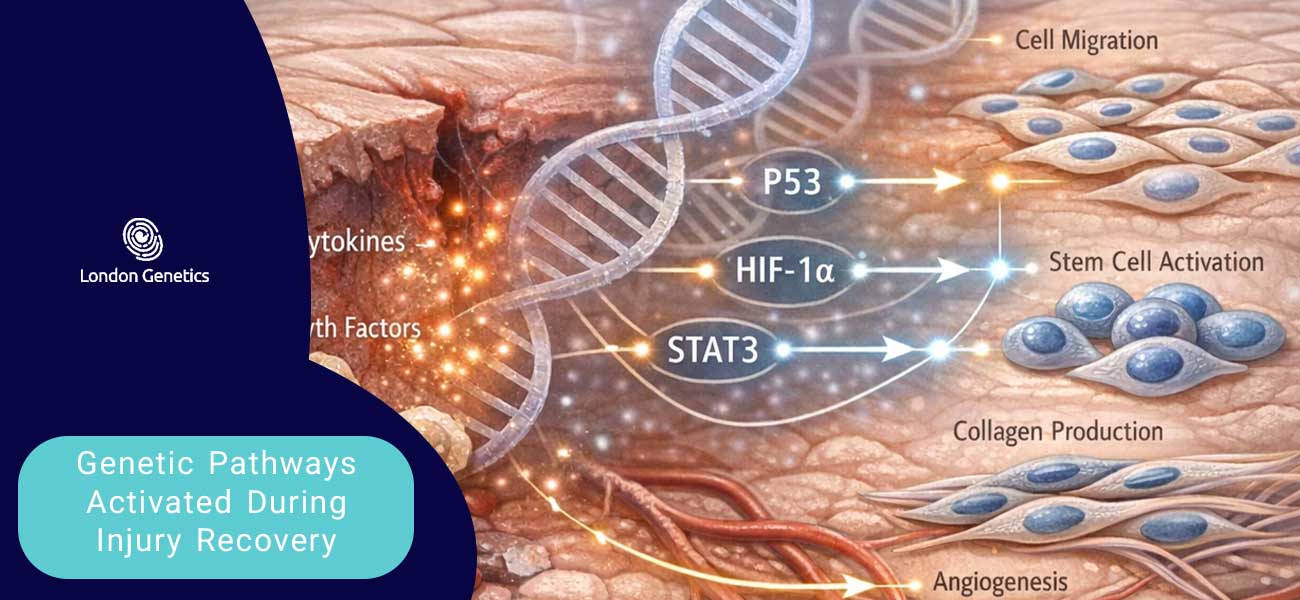
Genetic Pathways Activated During Injury Recovery
Injury recovery is a complex biological process guided by multiple interconnected genes in injury that activate specific molecular pathways. These pathways regulate inflammation, tissue regeneration, cellular communication, and structural rebuilding. Understanding these genetic pathways helps explain how the body transitions from immediate injury response to full tissue repair.
When tissue damage occurs, the body activates a cascade of signalling networks that control healing step‑by‑step. Each pathway is driven by unique gene groups that determine the speed and quality of recovery.
Inflammatory Signalling Pathways
The earliest pathways activated after injury are those involved in inflammation. These pathways are triggered by genes in injury that detect cellular damage and initiate immune responses.
Key pathways include:
- NF‑κB Pathway: Activated by cytokine genes such as IL1B and TNF. It regulates immune cell recruitment and controls the production of inflammatory molecules.
- JAK–STAT Pathway: Stimulated by genes such as IL6. It governs immune cell communication and influences the intensity of inflammation.
- MAPK Pathway: Helps amplify inflammatory signals and coordinates early defence mechanisms.
These pathways create the biological environment required for clearing debris and preparing tissues for repair.
Pathways That Promote Tissue Regeneration
After inflammation settles, the body activates genetic pathways that drive tissue rebuilding. These pathways are regulated by genes in injury responsible for cell growth, angiogenesis, and matrix production.
Important regenerative pathways include:
- TGF‑β/SMAD Pathway: Controlled by TGF‑β genes. It helps regulate collagen formation and directs wound healing.
- PI3K–AKT Pathway: Promotes cell survival, proliferation, and tissue growth.
- Wnt/β‑Catenin Pathway: Plays a key role in stem cell activation and tissue regeneration.
These pathways ensure that new cells are produced and properly organized within the healing tissue.
Pathways Involved in Extracellular Matrix Remodelling
Once new tissue forms, genetic pathways responsible for remodelling and strengthening the tissue become active. Several genes in injury regulate the enzymes and proteins required for rebuilding the extracellular matrix (ECM).
Key remodelling pathways include:
- MMP–TIMP Regulatory Pathway: Balances tissue breakdown (via MMP genes) and tissue rebuilding (via TIMP genes).
- Collagen Synthesis Pathways: Controlled by COL1A1, COL3A1, and related collagen‑producing genes.
- Integrin Signalling Pathway: Coordinates communication between cells and the extracellular matrix.
These pathways determine the final structure, strength, and stability of the repaired tissue.
Coordination Across Multiple Genetic Pathways
Recovery from injury requires precise coordination among all these genetic pathways. Instead of working in isolation, genes in injury activate overlapping networks that:
- Transition the body from inflammation to regeneration
- Promote balanced tissue growth
- Prevent excessive scarring
- Ensure long‑term tissue stability
Disruptions in these pathways—due to genetic variations, chronic inflammation, or metabolic imbalance—can slow healing or increase the risk of recurrent injuries.
Understanding how these pathways interact is essential for improving therapeutic strategies in regenerative medicine. Insights into genes in injury are helping scientists develop advanced treatments such as gene‑targeted therapies, biologics, and personalised rehabilitation programs designed to enhance natural healing mechanisms.
Genes in Injury: Understanding Recovery and Future Possibilities
Injury recovery is a dynamic, highly coordinated biological process guided by a wide range of genes that regulate inflammation, repair, regeneration, and tissue remodelling. These genetic pathways help explain why healing differs between individuals and why some people recover faster or experience repeated injuries.
A deeper understanding of genes involved in injury offers valuable insights into personalised treatment, targeted therapies, and advanced rehabilitation strategies—shaping the future of regenerative medicine.
The Genetic Blueprint of Healing:
From the moment tissue damage occurs, specific genes activate molecular pathways that control inflammation, cellular repair, and regenerative processes, ensuring the body responds quickly and effectively.
Regeneration & Tissue Remodelling:
Genes responsible for cell growth, angiogenesis, collagen production, and structural rebuilding work together to restore strength, flexibility, and long‑term tissue function.
Why People Heal Differently:
Genetic variations influence inflammatory intensity, regeneration capacity, and recovery speed—helping explain individual differences in susceptibility to injuries or prolonged healing.
Pathways to Personalised Recovery:
Advances in genetic research allow clinicians to design tailored rehabilitation plans, targeted therapies, and preventative strategies that reflect each person’s biological profile.
Shaping the Future of Injury Care:
As research evolves, genes in injury will play an increasingly central role in precision medicine—improving outcomes, enhancing tissue regeneration, and informing next‑generation treatments.