Introduction
Modern life is full of pressure and hustle, and we all face stressful situations every day. But what many of us don’t realise is that stress doesn’t just affect your mind or mood – it can also impact your genes. In other words, Stress Affects Your Genes, and this can have significant consequences for your overall health.
Why Stress Matters
Stress is a natural response of the body to threats and environmental pressures. In the short term, it can be helpful, making the body ready to react. But when stress becomes long-term or chronic, the body stays on high alert, and that’s when Stress Affects Your Genes. These changes can influence your immune system, heart, brain, and even mental wellbeing.
The Link Between Stress and Overall Health
When Stress Affects Your Genes, hormones like cortisol increase and can disrupt the body’s natural balance. This may lead to:
-
Higher blood pressure and heart-related issues
-
Weakened immune system, making you more prone to illnesses
-
Sleep problems, anxiety, and depression
-
Changes in everyday behaviours, like diet and physical activity
In short, stress isn’t just a passing feeling – Stress Affects Your Genes and can have a real impact on your overall health. In the next sections, we’ll explore exactly how stress can change gene expression and what steps you can take to reduce its negative effects.
What is Stress?
Stress is something we all experience, but it can mean different things depending on the context. Simply put, stress is the body’s response to any demand or challenge. When we face a situation that feels threatening, whether physically, mentally, or emotionally, our body reacts to help us cope. And this is precisely how Stress Affects Your Genes – by triggering a cascade of biological responses.
- Scientific definition: Stress is the body’s physiological and psychological reaction to a perceived threat, activating the hypothalamic-pituitary-adrenal (HPA) axis and releasing hormones like cortisol and adrenaline, preparing the body to respond to danger.
- Everyday definition: Stress is the feeling of being under pressure in daily life – from work deadlines, school exams, or personal problems at home.
Understanding these definitions helps us recognise how stress impacts the body and how Stress Affects Your Genes.
- Short-term stress (Acute Stress): Brief, immediate response to a specific challenge; can be helpful by sharpening focus and boosting energy. Frequent episodes, however, may influence gene activity.
- Long-term stress (Chronic Stress): Persistent stress over weeks, months, or years; can lead to serious health issues including changes in gene expression, heart problems, and mental health challenges.
Recognising stress types is key to understanding how Stress Affects Your Genes and overall wellbeing.
- Triggers biological responses affecting gene expression
- Influences overall physical and mental health
- Understanding stress helps prevent long-term negative effects
Stress affects genes through hormonal and physiological pathways, highlighting the importance of stress management for long-term health.
Understanding stress and its types is the first step in managing its effects.
Recognising acute and chronic stress allows individuals to mitigate impacts on gene expression, maintain health, and improve overall wellbeing.
Genetics and Gene Expression
To understand how Stress Affects Your Genes, it’s important to first grasp the basics of genetics and gene expression.
Difference Between a Gene and Gene Expression
-
Gene: A gene is a segment of DNA that carries the instructions for making proteins, which are the building blocks of your body. Think of genes as the blueprint of your body.
-
Gene expression: Gene expression is the process by which the instructions in a gene are used to produce proteins. Not all genes are active all the time – some switch on or off depending on the body’s needs. This switching mechanism is one of the ways that Stress Affects Your Genes, altering which genes are active and how the body functions.
How Genes Determine Body Function
Genes play a vital role in determining how our bodies look, behave, and respond to the environment. For instance:
-
Genes influence metabolism, immune response, and hormone production.
-
They affect how resilient you are to stress or illness.
-
When Stress Affects Your Genes, it can change the level of gene expression, which may impact your immune system, heart health, mood, and even susceptibility to certain diseases.
In short, genes are not just static blueprints – they interact constantly with your environment. And this is precisely why understanding how Stress Affects Your Genes is so important for both your immediate wellbeing and long-term health.
How Stress Affects Your Genes
Understanding how stress influences your genetic makeup is crucial because it explains why chronic pressure can have long-term effects on your health.
Simply put, Stress Affects Your Genes by altering the way certain genes are expressed, without changing the DNA sequence itself.
DNA methylation: Chemical tags called methyl groups attach to genes, often silencing them or reducing activity.
Histone modification: Changes to histone proteins affect DNA accessibility.
Non-coding RNAs: Small RNA molecules can interfere with gene expression in response to stress.
Children: Early life stress changes DNA methylation in stress-response genes, increasing susceptibility to anxiety or depression.
Adults in high-stress jobs: Chronic stress alters gene expression linked to inflammation and immune function.
These examples illustrate how environmental stress can leave lasting marks on gene activity.
Immune system: Stress can modify genes regulating immune response.
Hormonal regulation: Epigenetic changes affect cortisol and adrenaline pathways.
Brain function: Stress can influence genes involved in cognition and emotional regulation.
Understanding these pathways emphasizes why managing stress is critical for long-term wellbeing.
Recognising how stress affects your genes is essential. Epigenetic changes show that our environment and experiences leave marks on our biology, highlighting the importance of stress management for mental and physical health.
Effects of Stress on Overall Health
When we understand that Stress Affects Your Genes, it becomes clear why prolonged stress can influence not just our mind, but our entire body. Chronic stress triggers a cascade of biological and behavioural changes that impact physical, mental, and behavioural health.
Physical Effects
Stress can have a direct impact on the body’s systems:
-
Blood pressure and heart health: Long-term stress can increase blood pressure and strain the cardiovascular system, raising the risk of heart disease.
-
Immune system: Chronic stress can weaken the immune response, making it harder for the body to fight infections.
-
Other bodily functions: Hormonal imbalances caused by stress can affect digestion, metabolism, and energy levels.
Mental Effects: Stress & Mental Health Genetic Insights
Stress doesn’t just affect the body – it has a profound impact on mental health, and this is where the connection between stress and genetics becomes especially clear. Stress Affects Your Genes in ways that can influence mood, cognition, and emotional resilience.
Chronic or repeated stress can alter the expression of genes involved in brain function and hormone regulation, increasing the risk of:
-
Anxiety and depression: Persistent stress can disrupt the balance of neurotransmitters and stress-response genes, making individuals more prone to mood disorders.
-
Sleep problems: High stress levels interfere with circadian rhythms and sleep-regulating genes, leading to insomnia or poor-quality sleep.
-
Cognitive challenges: Stress-related changes in gene expression can affect memory, focus, and decision-making abilities.
Understanding Stress & Mental Health Genetic Insights highlights why mental wellbeing is so closely linked to both lifestyle and gene expression. By managing stress effectively, it’s possible to reduce these genetic and psychological impacts, promoting a healthier mind alongside a healthier body.
Behavioural Effects
Stress can also influence behaviours that affect overall wellbeing:
-
Overeating or poor diet choices: Many people turn to food for comfort.
-
Substance use: Stress can increase the likelihood of smoking, alcohol, or drug use.
-
Reduced motivation and productivity: Chronic stress can make everyday tasks feel overwhelming, affecting work, study, and personal life.
In short, because Stress Affects Your Genes, it’s not just a mental experience – it can reshape our physical health, emotional wellbeing, and daily behaviours. Understanding these effects highlights the importance of managing stress effectively to protect both your body and your genes.
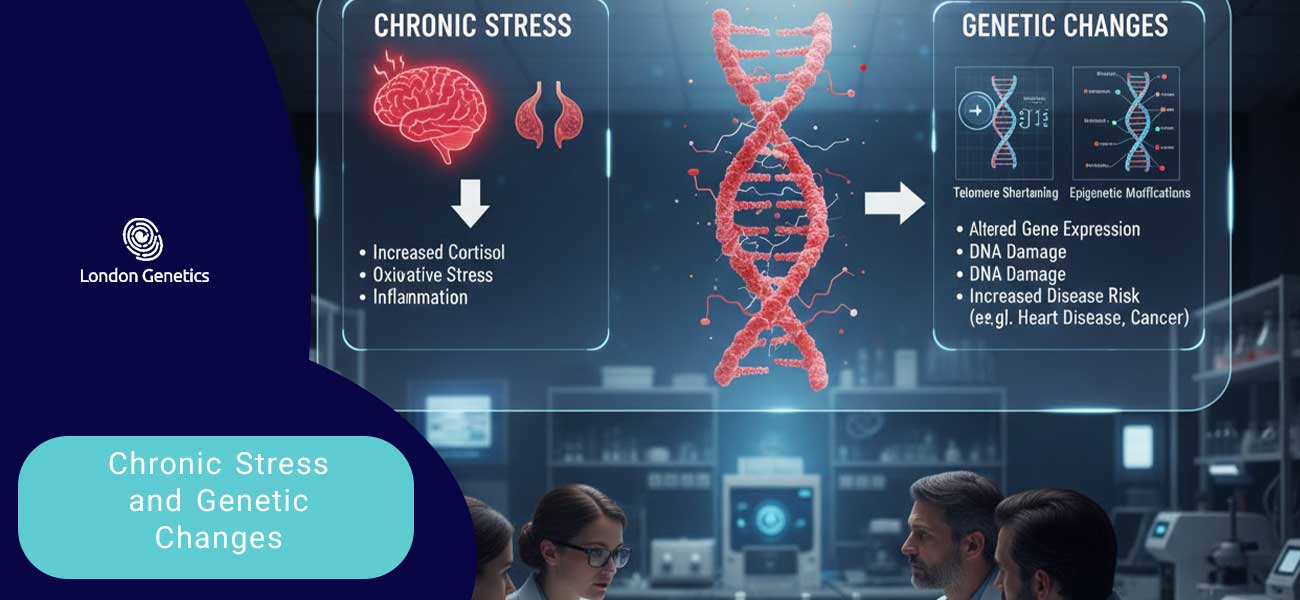
Chronic Stress and Genetic Changes
Long-term stress, also known as chronic stress, can have profound effects on the body and mind. One of the most fascinating discoveries in modern biology is that Stress Affects Your Genes, meaning that persistent stress can lead to lasting changes in gene expression.
How Chronic Stress Impacts Gene Expression
When stress is continuous, the body remains in a heightened state of alert, constantly releasing hormones like cortisol. Over time, this can alter epigenetic markers, such as DNA methylation and histone modifications, which regulate which genes are switched on or off. These changes can persist even after the stressor has passed, meaning the effects of chronic stress can be long-lasting.
Examples from Epigenetic Studies
-
Early life stress: Research shows that children exposed to chronic stress or trauma in early life often exhibit altered DNA methylation patterns in genes related to stress response and emotional regulation. These changes can influence behaviour and mental health later in life.
-
Workplace and lifestyle stress: Studies of adults in high-pressure jobs, like healthcare workers and military personnel, demonstrate that long-term stress can modify gene expression related to inflammation, immune function, and metabolism.
-
Animal studies: Experiments on rodents have shown that chronic stress can lead to epigenetic changes that affect anxiety-like behaviour and stress responsiveness, providing insights into how stress might impact human genes.
In essence, Stress Affects Your Genes in ways that may persist long after the stressful period has ended. This underlines the importance of recognising chronic stress early and taking steps to mitigate its effects on both health and gene expression.

Ways to Reduce the Effects of Stress on Your Genes and Body
Since we know that Stress Affects Your Genes, it’s crucial to adopt strategies that help manage stress and protect both your body and genetic expression. Luckily, there are effective ways to reduce the impact of stress.
Stress Management Techniques
-
Meditation and Mindfulness:
-
Practising mindfulness or meditation can lower cortisol levels and calm the nervous system.
-
Studies suggest that regular meditation may even reverse some stress-related epigenetic changes, showing how Stress Affects Your Genes can be mitigated.
-
-
Physical Exercise:
-
Regular activity, like walking, running, or yoga, reduces stress hormones and improves mood.
-
Exercise can positively influence gene expression related to inflammation and metabolism.
-
-
-
Quality sleep is essential for restoring the body and regulating hormone levels.
-
Chronic sleep deprivation amplifies stress responses, reinforcing the idea that Stress Affects Your Genes when the body doesn’t get enough rest.
-
Nutrition and Lifestyle
-
Balanced diet: Eating nutrient-rich foods supports brain function, immune health, and stress resilience.
-
Avoiding harmful habits: Limiting alcohol, nicotine, and excessive caffeine helps maintain healthy gene expression.
-
Social connections and relaxation: Spending time with friends, family, or enjoying hobbies reduces stress and promotes overall wellbeing.
By incorporating these strategies, you can reduce the negative effects of stress and help maintain healthy gene function. Remember, Stress Affects Your Genes, but lifestyle choices and mindful practices can protect both your mind and body.
Conclusion: How Stress Affects Your Genes
Stress is an unavoidable part of modern life, but understanding that Stress Affects Your Genes highlights its profound impact on health – physically, mentally, and genetically.
From short-term stress to chronic stress, effects on gene expression can influence the immune system, heart, brain, and overall wellbeing.
Summary of Key Concepts:
– Stress can alter gene expression without changing DNA sequence.
– Epigenetic mechanisms like DNA methylation, histone modification, and non-coding RNAs mediate these effects.
– Chronic stress has lasting impacts on mental and physical health through gene regulation.
Managing Stress to Protect Your Genes:
Practising meditation, exercising regularly, getting enough sleep, maintaining a balanced diet, and fostering positive social connections can counteract the effects of stress.
Taking these steps reduces long-term genetic and health consequences.
Broader Implications:
While stress affects gene expression, we have the power to influence our body’s responses.
Mindful stress management is an investment in both present and future health, promoting resilience and overall wellbeing.