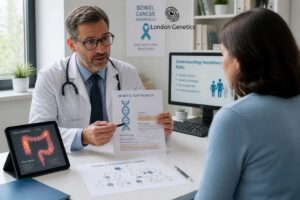
Why Tests Before Marriage Are Important for Couples
Understanding the Health Benefits of Premarital Screening
Tests before marriage play an important role in helping couples understand potential health risks before starting a family. Many genetic conditions are inherited and may not show any symptoms in carriers. This means two healthy individuals could still carry genes that, when combined, increase the risk of passing a genetic disorder to their children.
By taking tests before marriage, couples can identify whether they are carriers of certain inherited conditions. Early detection allows them to make informed decisions about family planning and medical care. In many countries, premarital screening programmes are encouraged because they help reduce the likelihood of serious hereditary diseases appearing in future generations.
An important part of this process is Premarital Genetic Counselling. During these sessions, healthcare professionals review a couple’s medical and family history and recommend appropriate screening tests. This guidance helps couples understand what the tests involve and what the results may mean for their future.
In addition, Genetic Counselling provides detailed information about inheritance patterns, potential risks, and available options if a genetic condition is identified. Counsellors explain the results in clear terms and help couples explore possible next steps, such as further testing or reproductive planning.
Overall, completing tests before marriage allows couples to approach marriage and future parenthood with greater confidence. With the support of proper screening and professional counselling, couples can better understand their genetic health and make responsible decisions for their future family.
Common Genetic Disorders Couples Should Screen For
Tests before marriage can help couples identify inherited conditions that may affect their future children.
Many genetic disorders are carried silently, meaning a person may not show symptoms but can still pass the condition to
the next generation if both partners carry the same gene.
affect their future children. Early screening allows couples to understand potential genetic risks before starting a family.
haemoglobin, which can lead to severe anaemia and other complications. When both partners are carriers, there is a higher
chance that their child may inherit the disease.
system, causing long‑term health problems that require continuous medical care. Carrier screening helps couples understand
their potential risk before planning a family.
common. This disorder affects red blood cells and can lead to chronic pain, infections, and other serious complications.
It can cause progressive muscle weakness and significant physical disability.
groups and can lead to severe neurological problems. Screening is often recommended when there is a known family or
population risk.
compatibility and discuss possible options with healthcare professionals when planning their future family.
Early screening before marriage helps couples gain valuable knowledge about inherited conditions, allowing them to make
informed decisions about family planning and reproductive health.
Types of Tests Before Marriage and What They Check
Key Medical and Genetic Screenings for Couples
Tests before marriage usually include several medical and genetic screenings designed to assess the health of both partners and identify potential risks for future children. These tests help couples understand their genetic compatibility and detect conditions that might otherwise remain unnoticed.
One of the most common tests before marriage is carrier screening for genetic disorders. This type of test checks whether a person carries genes linked to inherited conditions such as thalassaemia, cystic fibrosis, or sickle cell disease. Even if a person is healthy, they may still carry a gene that could be passed on to their children if their partner carries the same gene.
Another important category is blood tests. These tests can determine blood group and Rh factor compatibility between partners. They may also help identify blood‑related conditions such as anaemia or hereditary blood disorders that could affect pregnancy or future children.
Infectious disease screening is also commonly included in tests before marriage. Couples may be tested for conditions such as HIV, hepatitis B, hepatitis C, and sometimes syphilis. Identifying these infections early allows couples to receive proper treatment and prevent transmission to their partner or future child.
Some healthcare providers also recommend fertility‑related assessments as part of tests before marriage. While not always mandatory, these tests can provide information about reproductive health and help couples address potential issues early.
Overall, the different tests before marriage work together to provide a clearer picture of a couple’s health and genetic risks. With this information, couples can seek appropriate medical advice and make informed decisions about their future and family planning.
How Tests Before Marriage Help With Future Family Planning
Completing tests before marriage can play a significant role in helping couples plan for a healthy future family. These screenings provide valuable information about genetic risks, inherited conditions, and overall reproductive health before couples begin trying for children.

Supporting informed decisions for a healthy family.

Explanation: Many genetic disorders are passed down through families without showing obvious symptoms in the parents.
Importance: Through tests before marriage, couples can learn whether they carry genes linked to certain inherited conditions and understand potential risks for their future children.

Explanation: If both partners are carriers of the same genetic disorder, there may be a higher chance of passing the condition on to their children.
Importance: Early awareness helps couples understand possible inheritance patterns and consider their options before planning a pregnancy.

Explanation: Having this information early allows couples to explore different options and make informed decisions about their future family.
Importance: Couples may seek medical advice, consider additional genetic testing, or discuss reproductive options with healthcare professionals.

Explanation: Tests before marriage may reveal health conditions that could affect pregnancy or fertility.
Importance: Identifying these factors in advance allows couples to receive appropriate medical guidance and treatment if needed.

Explanation: Early medical awareness allows couples to address potential reproductive or health concerns before pregnancy.
Importance: This proactive approach can improve the chances of a healthy pregnancy and child.

Explanation: Tests before marriage give couples a clearer understanding of their genetic and medical background.
Importance: With the right information and professional guidance, couples can approach family planning with greater confidence and make responsible decisions for their future.
Key Takeaway:
Tests before marriage provide important insights into genetic risks, inherited conditions, and reproductive health. By identifying potential concerns early, couples can make informed choices, seek appropriate medical advice, and plan for a healthier future family.
Supporting informed decisions helps reduce uncertainty and allows couples to approach family planning with confidence and preparation.
When Couples Should Do Tests Before Marriage
The Best Time to Complete Premarital Screening
Knowing the right time to take tests before marriage can help couples make the most of premarital health screening. In most cases, medical professionals recommend completing these tests several months before the wedding or before making long‑term plans for starting a family. This timing allows enough opportunity to review results, seek medical advice, and consider any further steps if necessary.
Taking tests before marriage early in the engagement period gives couples time to understand their health status without unnecessary pressure. If screening identifies that both partners carry the same genetic condition, they can consult healthcare specialists and explore available options for family planning.
For couples with a known family history of inherited diseases, it may be helpful to complete tests before marriage even earlier. Early screening allows doctors to recommend more specific genetic tests and provide personalised medical guidance.
In some countries, tests before marriage are part of national premarital screening programmes, especially in regions where certain hereditary diseases are more common. These programmes encourage couples to undergo testing before marriage registration in order to reduce the risk of genetic disorders in future generations.
Overall, the ideal time to complete tests before marriage is before major life decisions such as marriage or pregnancy planning. Early screening provides couples with clear information about their health and helps them make confident decisions about their future family.
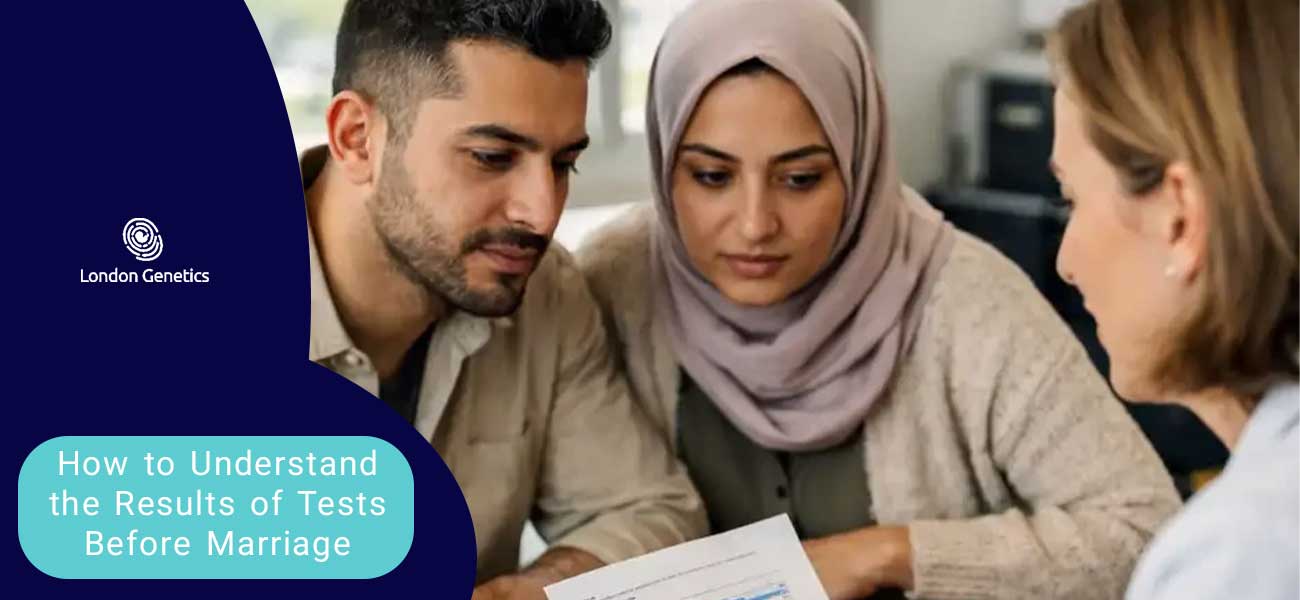
How to Understand the Results of Tests Before Marriage
Interpreting Screening Outcomes with Confidence
Understanding the results of tests before marriage is an important step in planning a healthy future together. These screening tests often include genetic checks, blood tests, and infectious disease assessments, each providing different types of information about a couple’s health and potential risks for future children.
When you receive the results of tests before marriage, they will usually fall into one of three categories:
• Normal results, meaning no significant risks or abnormalities were detected.
• Carrier results, meaning one or both partners carry a gene linked to a hereditary condition.
• Positive results, indicating that a condition or risk factor has been identified and may require further medical advice or treatment.
If one partner is identified as a carrier, it typically means they do not have symptoms but could pass the gene to their children. This only becomes a concern if both partners carry the same gene. In such cases, healthcare professionals may recommend further genetic testing or discussions about family planning.
When results show that a couple shares a genetic risk, medical guidance becomes essential. Specialists can explain what the condition means, how it is inherited, and what options are available. These may include additional screening, medical management, or different reproductive choices.
Professional support plays a key role here. Most healthcare providers encourage couples to review their results with a doctor or genetic specialist. This ensures the information is interpreted correctly and helps prevent unnecessary worry.
Overall, understanding the results of tests before marriage is about gaining clarity rather than creating concern. With the right explanations and professional guidance, couples can confidently use this information to prepare for a healthy and informed future together.
How Tests Before Marriage Help With Future Family Planning
Supporting Informed Decisions for a Healthy Family
Completing tests before marriage can play a significant role in helping couples plan for a healthy future family. These screenings provide valuable information about genetic risks, inherited conditions, and overall reproductive health before couples begin trying for children.
Many genetic disorders are passed down through families without showing obvious symptoms in the parents. Through tests before marriage, couples can learn whether they carry genes linked to certain inherited conditions. If both partners are carriers of the same genetic disorder, there may be a higher chance of passing the condition on to their children.
Having this information early allows couples to explore different options and make informed decisions about their future family. For example, they may choose to seek medical advice, consider additional genetic testing, or discuss reproductive options with healthcare professionals. Early awareness can help reduce uncertainty and support better long‑term planning.
In addition, tests before marriage may reveal health conditions that could affect pregnancy or fertility. Identifying these factors in advance allows couples to receive appropriate medical guidance and treatment if needed. This proactive approach can improve the chances of a healthy pregnancy and child.
Overall, tests before marriage give couples a clearer understanding of their genetic and medical background. With the right information and professional guidance, couples can approach family planning with greater confidence and make responsible decisions for their future.
Why This Matters:
Supporting Informed Decisions for a Healthy Family
The Value of Modern Medicine:
Completing tests before marriage can play a significant role in helping couples plan for a healthy future family.
Your Next Step:
With the right information and professional guidance, couples can approach family planning with greater confidence and make responsible decisions for their future.