
Introduction
In today’s fast-paced world, maintaining a healthy lifestyle has become more important than ever. Many individuals are beginning to recognise that small, consistent changes in their daily routines can have a significant impact on their overall wellbeing. Adopting a healthier lifestyle is not merely about avoiding illness; it is about enhancing both physical health and mental wellbeing in a balanced and sustainable way.
A healthy lifestyle involves making conscious choices, such as following a balanced diet, engaging in regular physical activity, and managing stress effectively. These habits contribute not only to improved physical condition but also to greater emotional stability and long-term wellbeing. In recent years, modern approaches such as Personalised Genetics Services have also helped individuals better understand their unique health needs, allowing for more tailored lifestyle decisions.
Ultimately, choosing to adopt a healthier lifestyle represents a proactive step towards a more fulfilling and energetic life. By prioritising wellbeing, individuals can improve their quality of life and build a stronger foundation for the future.
Understanding a Healthy Lifestyle
A healthy lifestyle is not defined by temporary diets or short-term fitness goals.
It represents a long-term commitment to balanced, sustainable choices
that support both physical and mental wellbeing.
Daily habits, routines, and attitudes collectively shape overall health outcomes.
At its core, a healthy lifestyle includes maintaining
a nutritious and balanced diet,
engaging in regular physical activity,
ensuring adequate sleep,
and managing stress effectively.
These foundational elements work synergistically
to strengthen the body and stabilise emotional health.
Physical activity enhances cardiovascular health,
muscle strength, and energy levels.
Adequate sleep and stress management improve
cognitive clarity, emotional balance,
and resilience against daily challenges.
Supportive relationships and positive social interactions
contribute significantly to mental wellbeing.
Building meaningful connections
fosters emotional security,
reduces stress,
and promotes a sense of belonging.
A healthy lifestyle also includes intentional self-care practices,
such as taking time to rest, reflect, and recharge.
Sustainable routines—rather than extreme or restrictive approaches—
ensure long-term wellbeing and prevent burnout.
Key Takeaway:
Understanding a healthy lifestyle means viewing health holistically—
as a dynamic balance between the body, mind, and daily behaviours.
Consistent, balanced choices lead to increased energy,
emotional stability, and sustained overall wellbeing.
The Role of a Balanced Diet
A balanced diet plays a fundamental role in adopting a healthier lifestyle and maintaining long-term wellbeing. The food we consume directly affects our physical health, energy levels, and even our mental wellbeing. Therefore, making informed dietary choices is essential for supporting the body’s natural functions and preventing various health conditions.
A balanced diet typically includes a variety of nutrients, such as carbohydrates, proteins, healthy fats, vitamins, and minerals. Consuming fresh fruits and vegetables, whole grains, lean proteins, and adequate amounts of water helps the body function efficiently. In contrast, excessive intake of processed foods, sugar, and saturated fats may negatively impact both physical health and overall wellbeing.
Moreover, healthy eating is not about strict restrictions or eliminating entire food groups. Instead, it is about moderation and consistency. Developing mindful eating habits can improve digestion, strengthen the immune system, and enhance mental wellbeing. Ultimately, a balanced diet provides the foundation upon which a healthy lifestyle is built, contributing significantly to improved wellbeing and quality of life.
The Benefits of Regular Exercise
Regular exercise is a fundamental component of a healthy lifestyle.
Consistent physical activity strengthens the body,
enhances cardiovascular function,
and plays a powerful role in supporting overall physical and mental wellbeing.

Discover how regular movement transforms both body and mind.

Regular exercise improves cardiovascular health,
increases muscle strength,
and enhances endurance.
Consistent movement supports weight management,
boosts energy levels,
and contributes to long-term physical resilience.

Physical activity stimulates the release of endorphins,
often called “feel-good” hormones,
which help reduce stress, anxiety, and symptoms of depression.
Regular exercise promotes emotional balance,
mental clarity,
and a more positive outlook on life.

Engaging in regular physical activity enhances sleep quality,
helping the body and mind recover effectively.
Over time, exercise also boosts self-confidence
and strengthens personal motivation.

Exercise does not require intense training or strenuous routines.
Activities such as walking, cycling, swimming,
or practising yoga can provide substantial benefits.
The key is incorporating enjoyable, sustainable movement
into daily life for long-term wellbeing.
Key Takeaway:
Regular exercise strengthens physical health,
enhances mental wellbeing,
improves sleep,
and promotes emotional resilience.
By integrating consistent and enjoyable movement into daily routines,
individuals can significantly elevate their overall quality of life.
Mental Health and Emotional Wellbeing
Mental health and emotional wellbeing are essential components of a healthy lifestyle. While physical health is often prioritised, mental wellbeing is equally important in achieving balance and long-term stability. Emotional wellbeing refers to the ability to manage stress, cope with challenges, maintain positive relationships, and experience a sense of purpose and fulfilment in daily life.
In modern society, many individuals experience high levels of stress due to work pressures, academic responsibilities, and personal commitments. Without effective coping strategies, prolonged stress may negatively affect both mental and physical health. Therefore, adopting healthy habits that support emotional wellbeing is a fundamental step towards improving overall wellbeing.
Practices such as mindfulness, regular physical activity, adequate sleep, and maintaining supportive social connections can significantly enhance mental health. Additionally, setting realistic goals and maintaining a healthy work–life balance contribute to emotional stability. Seeking professional support when necessary should also be regarded as a responsible and proactive choice rather than a sign of weakness.
The following table outlines common challenges to mental health and practical strategies to improve emotional wellbeing:
| Common Challenges | Impact on Wellbeing | Practical Strategies |
|---|---|---|
| Chronic stress | Fatigue, irritability, anxiety | Mindfulness, relaxation techniques, time management |
| Lack of sleep | Reduced concentration, low mood | Establishing a regular sleep routine |
| Social isolation | Loneliness, decreased self-esteem | Building supportive relationships |
| Work–life imbalance | Burnout, emotional exhaustion | Setting boundaries and prioritising self-care |
| Negative thinking patterns | Anxiety, reduced confidence | Cognitive reframing and positive self-talk |
In conclusion, mental health and emotional wellbeing are closely interconnected with physical health. Achieving true wellbeing requires a holistic approach that addresses both the body and the mind. By actively nurturing emotional wellbeing, individuals can lead more balanced, resilient, and fulfilling lives.
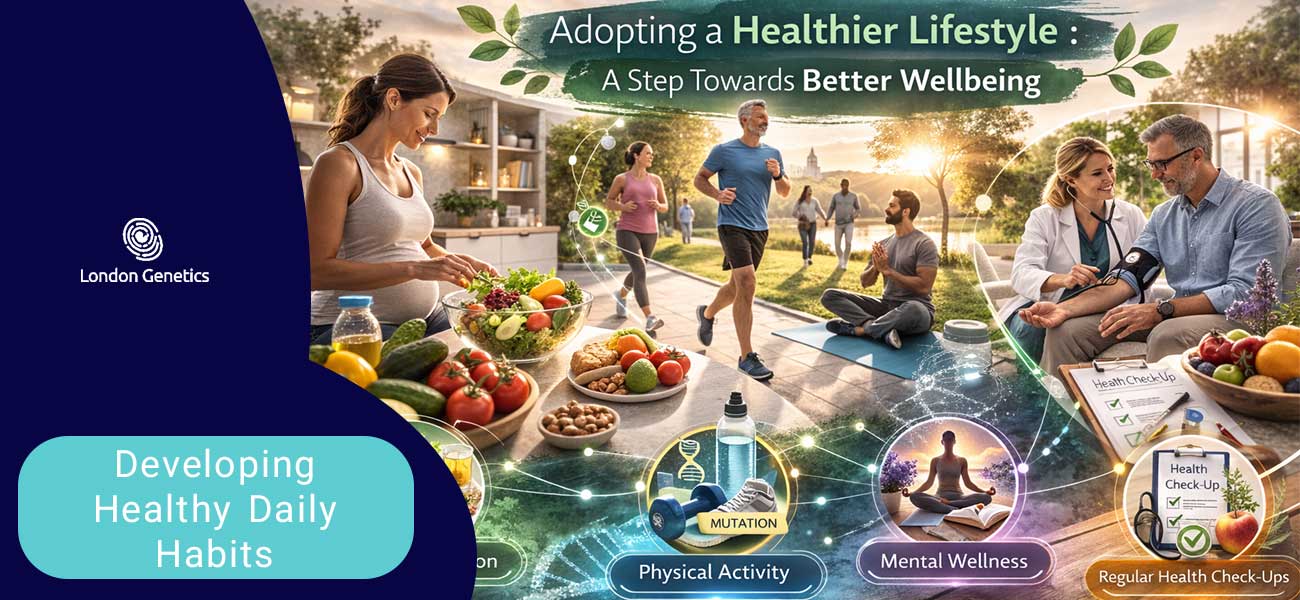
Developing Healthy Daily Habits
Developing healthy daily habits is a crucial step in adopting a healthier lifestyle and maintaining long-term wellbeing. While motivation can initiate change, it is consistency that sustains it. Healthy habits are formed through repeated actions that gradually become part of one’s routine, ultimately shaping overall health and quality of life.
One of the most important aspects of building healthy habits is starting with realistic and achievable goals. Sudden and extreme changes are often difficult to maintain, whereas small, gradual improvements are more sustainable. For example, incorporating a short daily walk, increasing water intake, or reducing processed food consumption can lead to significant long-term benefits. Over time, these modest adjustments contribute positively to both physical health and mental wellbeing.
Establishing a structured daily routine also plays a vital role in habit development. Allocating specific times for meals, exercise, rest, and personal activities promotes balance and reduces unnecessary stress. In addition, prioritising adequate sleep allows the body and mind to recover, thereby enhancing concentration, emotional stability, and overall wellbeing.
Self-discipline and accountability are equally important in maintaining healthy habits. Monitoring progress, reflecting on achievements, and adapting goals when necessary can strengthen commitment. Furthermore, surrounding oneself with supportive individuals can provide encouragement and motivation during challenging periods.
Ultimately, developing healthy daily habits is not about perfection but about persistence. By making conscious, consistent choices each day, individuals can create a sustainable lifestyle that supports long-term wellbeing and fosters a healthier, more fulfilling life.
Conclusion: Commitment to a Healthier Lifestyle
Adopting a healthier lifestyle is a meaningful, long-term commitment
that positively influences overall wellbeing.
It requires conscious decisions, consistent effort,
and a balanced approach to both physical and mental health.
Balanced nutrition, regular exercise, emotional wellbeing,
and healthy daily habits all contribute significantly to quality of life.
A healthy lifestyle is not achieved through temporary measures or extreme changes.
Instead, it is built upon sustainable practices
that can be maintained over time.
Through gradual and realistic steps,
individuals can strengthen physical health,
enhance mental wellbeing,
and develop greater resilience in daily life.
Key elements of a sustainable healthy lifestyle include:
- Maintaining a balanced and nutritious diet
- Engaging in regular physical activity
- Prioritising adequate sleep and recovery
- Managing stress effectively
- Building supportive social connections
- Practising self-care and reflection
Why Sustainable Habits Matter:
Long-term wellbeing depends on consistency rather than short-term effort.
By integrating healthy routines into everyday life,
individuals can improve energy levels,
enhance emotional stability,
and support lifelong physical and mental health.
Viewing health holistically—through the balance of body, mind, and behaviour—
creates a strong foundation for resilience and personal growth.
The Value of Prioritising Wellbeing:
Choosing to adopt a healthier lifestyle is not only a personal improvement,
but also an investment in long-term health and happiness.
It supports productivity, vitality, and a more fulfilling life experience.
Your Next Step:
Begin with small, realistic changes that can be maintained consistently.
Focus on gradual improvement,
and seek professional guidance when needed
to create a personalised and sustainable wellbeing plan.