Understanding Advanced Paternal Age: What Does the Science Say?
For decades, conversations around family planning and biological clocks have almost exclusively focused on women. We have been inundated with data regarding Advanced Maternal Age Genetic Risks, leaving many to believe that male fertility remains pristine and timeless. However, modern medicine is shifting its lens. Today, the science of Reproductive Genetics is revealing a more balanced truth: a father’s biological clock ticks too, and advanced paternal age plays a critical role in the health of future generations.
But what exactly does this mean in a clinical setting? Unlike women, who are born with a finite number of eggs, men produce sperm continuously throughout their lives. Yet, continuous production does not mean immunity to time. As the years pass, the biological machinery responsible for replication experiences natural wear and tear.
Defining the Threshold: When Does a Father Become “Older”?
In female fertility, the medical community agrees on a strict threshold—age 35. For men, defining advanced paternal age has historically been more fluid, but recent consensus among reproductive experts has drawn clearer lines:
-
-
The Consensus Border (Age 40): Most clinical studies and international fertility organisations categorise advanced paternal age as beginning between the ages of 40 and 45.
-
The Genetic Shift: While a man in his 40s or 50s can absolutely still father a child, the genetic quality of his contribution undergoes a measurable change after age 40.
-
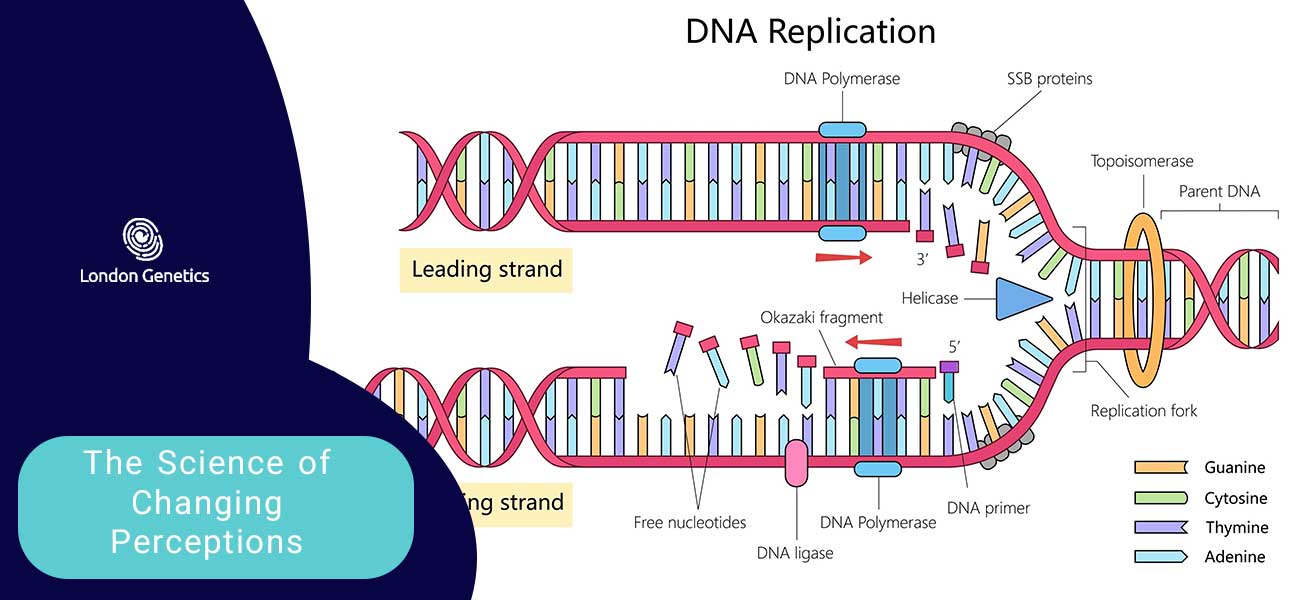
The Accumulation Effect: Statistics show that by the time a man reaches 50, his sperm has undergone over 800 rounds of replication, significantly increasing the likelihood of copying errors in his DNA blueprint.
-
The Science of Changing Perceptions
Why has it taken so long for science to formalise the concept of an older father?
-
Quantity vs. Quality: Because men can physically father children well into their senior years, society equated capability with safety.
-
The Molecular Revolution: It is only through recent breakthroughs in genomic sequencing that scientists have been able to look past sperm count and motility, diving deep into the actual molecular integrity of the genetic material being passed down.
Summary for Prospective Parents
When gaining an understanding of advanced paternal age, the takeaway shouldn’t be panic, but awareness.
-
It’s a Spectrum: Unlike the sharp decline in female fertility, male reproductive ageing is a gradual, progressive slide.
-
Knowledge is Power: Acknowledging that paternal age matters allows couples to utilise modern screenings and make informed, proactive choices for their family’s future.
The Male Biological Clock: How Sperm Quality Changes Over Time
While men do not experience a sudden end to their reproductive years like menopause, the male biological clock is a scientifically proven reality. As advanced paternal age sets in, structural and cellular shifts gradually decline the environment required to produce healthy sperm.
Advanced paternal age triggers distinct physical and biological shifts, impacting motility, volume, and morphology. Understanding this gradual timeline allows couples to make informed, proactive family planning decisions.
The Genetics of Ageing Sperm: What Are De Novo Mutations?
To truly grasp the genetic risks associated with advanced paternal age, we have to look beyond the physical movement of sperm and dive deep into the DNA code itself. While women are born with their lifetime supply of eggs, men are constantly replicating sperm cells. This continuous production line is a double-edged sword; it allows men to remain fertile for decades, but it also introduces a serious biological risk: De Novo Mutations (DNAs).
What Does “De Novo“ Mean?
In the world of genetics, de novo is a Latin term meaning “from the beginning” or “anew”.
-
A New Typo: A de novo mutation is a genetic alteration that is present for the first time in one family member.
-
Not Inherited: It is a mutation that neither the mother nor the father carries in their normal body cells. Instead, it arises as a fresh mistake specifically inside the single sperm cell that fertilises the egg.
The Biological Mechanism: The Replication Copy Error
Why do these mutations happen more frequently as men grow older? The answer lies in how sperm is made.
-
Constant Division: Sperm cells are created by spermatogonial stem cells, which divide every 16 days from puberty onwards.
-
The Accumulation of Rounds: By the time a man is 20, these cells have divided about 150 times. By age 40, they have divided over 600 times, and by age 50, more than 800 times.
-
The Copy-Machine Analogy: Think of it like a photocopy machine. If you copy a document 150 times, the text remains crisp. If you copy it 800 times, the machine grows warm, parts wear out, and smudges or typos inevitably appear.
In advanced paternal age, the biological enzymes responsible for copying DNA make more mistakes, passing these “smudges” or genetic typos directly into the sperm’s genetic code.
Paternal Transmission Bias
Interestingly, research shows that the vast majority of spontaneous, non-inherited genetic disorders in children come from the father’s side, not the mother’s.
-
The Gender Divide: While older mothers are at a higher risk for chromosomal errors (like an extra chromosome in Down’s syndrome due to egg ageing), older fathers are the primary source of single-gene mutations (small typos within the DNA sequence itself).
-
The Statistical Rise: It is estimated that for every year a father ages, he passes on an average of two additional de novo mutations to his offspring.
Clinical Impact: What Do These Mutations Cause?
When a de novo mutation occurs in a critical part of the DNA, it can disrupt the normal development of the embryo. These copying errors are strongly linked to:
-
Skeletal Dysplasias: Conditions like Achondroplasia (the most common form of dwarfism).
-
Neurodevelopmental Conditions: Because brain development requires highly precise genetic instructions, these tiny DNA typos can significantly alter neural wiring.
Advanced Paternal Age and Neurodevelopmental Conditions
As reproductive genetics has grown, scientists have uncovered a distinct statistical link between advanced paternal age and certain neurodevelopmental conditions. Because the human brain requires precise genetic instructions, minor spontaneous mutations in ageing sperm can alter neural pathways.

While statistical risks increase with paternal age, the absolute risk remains very low, meaning the vast majority of children are born completely healthy.


Key Takeaway:
Advanced paternal age is linked to a statistical rise in de novo mutations affecting conditions like autism and schizophrenia; however, the absolute risk remains very low, highlighting the importance of clinical awareness over anxiety.
Comparing Maternal and Paternal Age Risks: A Balanced View
For generations, the burden of reproductive ageing has been placed almost entirely on women. While it is true that maternal age significantly impacts pregnancy outcomes, modern science shows that both parents contribute unique genetic risks as they grow older. To have a complete understanding of reproductive health, we must look at how eggs and sperm age in completely different ways.
The Biological Divide: Quality vs. Quantity
The fundamental difference between maternal and paternal genetic risks stems from how the human body produces gametes (eggs and sperm).
-
The Female Timeline (Egg Ageing): Women are born with all the eggs they will ever have (around 1 to 2 million at birth). These eggs age with the woman, sitting in the ovaries for decades. They do not divide or replicate; they simply wait.
-
The Male Timeline (Sperm Ageing): Men do not have a fixed supply. Instead, they produce new sperm continuously from puberty onwards. This means that while a 40-year-old woman is releasing a 40-year-old egg, a 40-year-old man is releasing sperm that was created just a few weeks ago.
Chromosomal Errors vs. DNA Typos
Because the biological mechanisms are so distinct, the types of genetic issues associated with maternal age and advanced paternal age are entirely different.
1. Advanced Maternal Age: Structural Chromosomal Issues
As eggs sit in the ovaries for decades, the cellular machinery that holds chromosomes together begins to degrade.
-
The Risk: When the egg finally divides after ovulation, chromosomes can stick together, leading to an incorrect number of chromosomes in the embryo.
-
The Result: This often causes conditions like Down’s Syndrome (Trisomy 21), where there is an extra chromosome. The risk curve for maternal age rises sharply after age 35.
2. Advanced Paternal Age: Point Mutations and DNA Typos
Because sperm cells divide every 16 days, the risk isn’t about old cells sticking together, but about the “copy machine” getting tired.
-
The Risk: The constant replication leads to spontaneous, single-gene typos (de novo mutations). The structural number of chromosomes is usually perfect, but the instructions inside the DNA sequence contain minor errors.
-
The Result: This is linked to the neurodevelopmental conditions and skeletal dysplasias discussed in earlier sections. This risk increases gradually and progressively after age 40.
Side-by-Side Comparison
| Feature | Maternal Ageing (Eggs) | Paternal Ageing (Sperm) |
| Cellular State | Cells are as old as the mother; dormant for years. | Cells are newly made; stem cells have divided hundreds of times. |
| Primary Genetic Risk | Chromosomal abnormalities (e.g., missing or extra chromosomes). | Point mutations (small typos within a single gene sequence). |
| Common Outcome | Conditions like Down’s syndrome; higher miscarriage rates. | Conditions like Autism, Schizophrenia, and Achondroplasia. |
| Risk Progression | Rises sharply and exponentially after age 35. | Rises gradually and progressively after age 40 to 45. |
A Modern, Balanced Perspective
The science of reproductive genetics reminds us that fertility is a shared journey. An older mother passes on risks related to cell division stability, while a father of advanced paternal age passes on risks related to replication fatigue.
By moving away from a female-only focus, couples can approach family planning with a balanced, well-informed mindset, utilising modern screenings that look at both sides of the genetic equation.

Diagnostic Testing: Assessing Sperm DNA Fragmentation and Health
When evaluating the impact of advanced paternal age, a standard semen analysis—which looks only at sperm count, motility, and basic shape—often fails to tell the whole story. A man can have a normal sperm count, yet the genetic material inside those sperm cells could be highly compromised. To bridge this gap, reproductive medicine relies on specialised diagnostic tools designed to evaluate DNA integrity.
1. What is Sperm DNA Fragmentation (SDF)?
Sperm DNA fragmentation refers to breaks, strands, or tears in the genetic material within the sperm head.
-
The Cause: In older men, this damage is primarily driven by oxidative stress and a decline in the body’s natural cellular repair mechanisms.
-
The Consequence: High levels of fragmentation are strongly linked to lower fertilisation rates, poorer embryo quality, and an increased risk of recurrent miscarriages, even if the female partner’s eggs are perfectly healthy.
2. Advanced Diagnostic Testing Methods
To measure the percentage of damaged DNA strands, clinicians utilise several highly precise laboratory assays:
-
TUNEL Assay (Terminal deoxynucleotidyl transferase dUTP Nick End Labelling): This test chemically “labels” the breaks in the DNA strands with a fluorescent marker. Under a specialised microscope, scientists can count exactly how many sperm cells have fragmented DNA.
-
SCD Test (Sperm Chromatin Dispersion): Also known as the “Halo Test”. Healthy sperm with intact DNA form a distinct “halo” of dispersed DNA loops when treated with a specific acid. Sperm from a man of advanced paternal age with high fragmentation will fail to form this halo.
-
Comet Assay: This single-cell gel electrophoresis technique pulls the sperm DNA through an electric field. Damaged DNA pieces move faster, creating a shape that looks like a comet’s tail. The longer and brighter the tail, the higher the genetic damage.
3. Who Should Consider These Advanced Tests?
SDF testing is not part of a standard routine check-up, but it is highly recommended under specific clinical circumstances:
-
Prospective Fathers Over 40: To get an accurate baseline of genetic health before attempting conception.
-
Unexplained Infertility: When standard semen analysis parameters return completely normal, yet conception does not occur.
-
Recurrent Miscarriage Cycles: To determine if paternal genomic factors are contributing to early pregnancy loss.
-
Failed IVF or ICSI Cycles: To assist embryologists in selecting the best possible sperm selection techniques for the next cycle.
Translating Results into Action
An SDF score below 15% is considered excellent, while a score above 30% indicates high fragmentation that requires medical intervention. Identifying these breaks allows reproductive specialists to adjust fertility treatments—such as switching from standard IVF to ICSI (Intracytoplasmic Sperm Injection) or using advanced sorting chips (like microfluidics) to select only the most pristine sperm.
Conclusion: Empowered Family Planning
The scientific shift in recognising advanced paternal age is not meant to cause alarm, but to empower. For decades, reproductive health was viewed through a single lens, but we now know that healthy pregnancies are a collaborative genetic effort. Understanding how time introduces replication errors in sperm DNA allows men to proactively manage their reproductive health.
Ultimately, your genetic timeline is a tool for preparation, not a barrier. By combining the scientific insights of modern reproductive genetics with proactive health management, older prospective fathers can confidently take active, informed steps toward building a healthy, happy family.
Collaborative Genetic Effort:
Recognising that reproductive health and successful outcomes rely on the biological health and contribution of both partners.
Proactive DNA Protection:
Utilising targeted nutrition and antioxidant support to combat oxidative stress and safeguard sperm membrane integrity.
Mitochondrial Support:
Adopting tailored lifestyle adjustments and physical conditioning to improve cellular energy production and sperm motility.
Reproductive Technologies:
Leveraging advanced screening tools and modern genomic medicine to identify and manage age-related genetic variations.
Empowerment Over Uncertainty:
Transforming statistical clinical insights into a structured, data-driven family planning strategy tailored to your personal timeline.