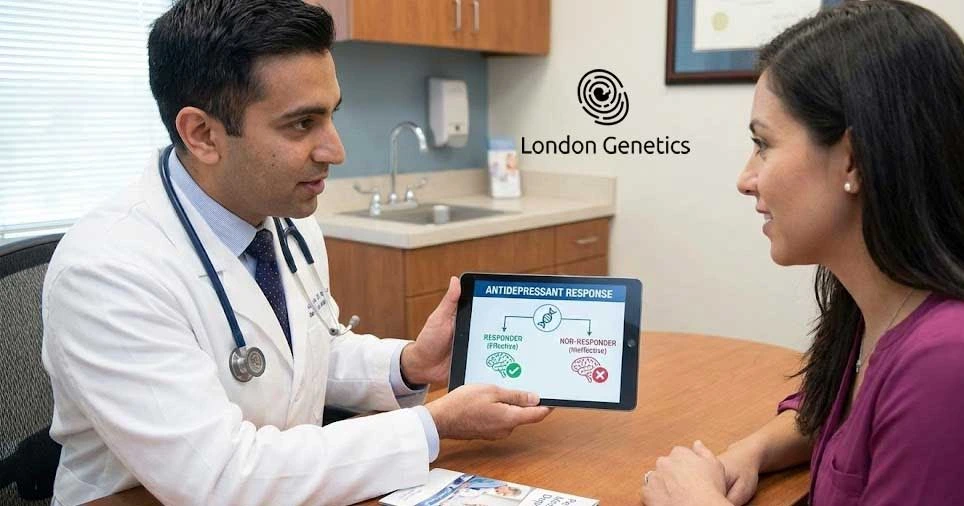
Introduction to Antidepressant Response
Antidepressant response refers to the degree of clinical improvement observed in patients with depression following treatment with antidepressant medications. A positive antidepressant response is typically characterised by a significant reduction in depressive symptoms, improved daily functioning, and enhanced quality of life. However, achieving an optimal antidepressant response remains a major challenge in clinical psychiatry, as treatment outcomes vary considerably between individuals.
Despite the widespread use of antidepressants, a substantial proportion of patients experience an inadequate antidepressant response. Clinical studies indicate that approximately one-third of patients fail to respond to first-line antidepressant therapy, while many others achieve only partial symptom relief or discontinue treatment due to adverse effects. This high prevalence of insufficient antidepressant response contributes to prolonged illness, increased healthcare costs, and reduced treatment adherence.
The considerable variability in antidepressant response highlights the limitations of the traditional “trial-and-error” approach to depression treatment. In this context, personalised treatment strategies have gained increasing attention. By considering individual biological, genetic, and clinical factors, personalised medicine aims to optimise antidepressant response, minimise side effects, and improve overall treatment outcomes. Advances in psychiatric pharmacogenetics and pharmacogenomics have played a crucial role in supporting this shift towards more precise and effective depression management.
What Is Depression and How Do Antidepressants Work?
Depression is a common mental health disorder characterised by persistent low mood, loss of interest or pleasure
in daily activities, fatigue, cognitive impairment, and other emotional and physical symptoms. It affects millions
of people worldwide and significantly reduces quality of life, making effective treatment essential.
- Persistent low mood and loss of interest or pleasure
- Fatigue, cognitive impairment, and physical symptoms
- Impacts quality of life and daily functioning
Recognising the symptoms of depression is crucial for timely intervention and effective treatment.
Antidepressants are medications designed to alleviate depressive symptoms by restoring the balance of
neurotransmitters in the brain, such as serotonin, norepinephrine, and dopamine.
- Improve mood, energy, and cognitive function over time
- Modulate chemical pathways disrupted in depression
- Different classes target different neurotransmitter systems
- Selective Serotonin Reuptake Inhibitors (SSRIs): Increase serotonin levels in the synaptic cleft, improving mood and anxiety symptoms.
- Serotonin–Norepinephrine Reuptake Inhibitors (SNRIs): Enhance both serotonin and norepinephrine neurotransmission, targeting a broader range of depressive symptoms.
- Tricyclic Antidepressants (TCAs): Block the reuptake of serotonin and norepinephrine but have more side effects, limiting their use today.
- Monoamine Oxidase Inhibitors (MAOIs): Prevent the breakdown of monoamine neurotransmitters, offering an alternative for treatment-resistant depression but requiring dietary restrictions.
Understanding these mechanisms is essential for optimising antidepressant response and selecting the most suitable treatment for individual patients.
Understanding depression and the mechanisms of antidepressants is the first step towards effective treatment.
Personalised approaches considering drug class, patient condition, and neurotransmitter targets can significantly improve outcomes and quality of life.
Why Do Patients Respond Differently to Antidepressants?
Not all patients experience the same level of improvement when taking antidepressants. The variability in treatment outcomes, often referred to as interindividual variability, is a key challenge in psychiatry. Antidepressant response can differ widely between individuals due to a combination of genetic, biological, and environmental factors.
Interindividual variability explains why some patients achieve full remission, others only partial improvement, and some show little to no response to the same medication. Factors contributing to these differences include:
-
Genetic differences: Variations in genes affecting drug metabolism, neurotransmitter pathways, and receptor sensitivity can significantly influence treatment response.
-
Age, sex, and hormonal status: Biological differences can modify how drugs are absorbed, distributed, metabolised, and excreted.
-
Comorbid medical conditions: Conditions such as diabetes, cardiovascular disease, or liver dysfunction may alter drug efficacy.
-
Concurrent medications: Drug–drug interactions can enhance or reduce antidepressant effectiveness.
-
Lifestyle and psychosocial factors: Diet, stress, sleep patterns, and social support can all impact clinical outcomes.
Understanding why patients respond differently to antidepressants is critical for improving antidepressant response rates and reducing the trial-and-error approach commonly used in depression treatment. This recognition has paved the way for personalised medicine approaches, where treatment is tailored to the unique characteristics of each patient.
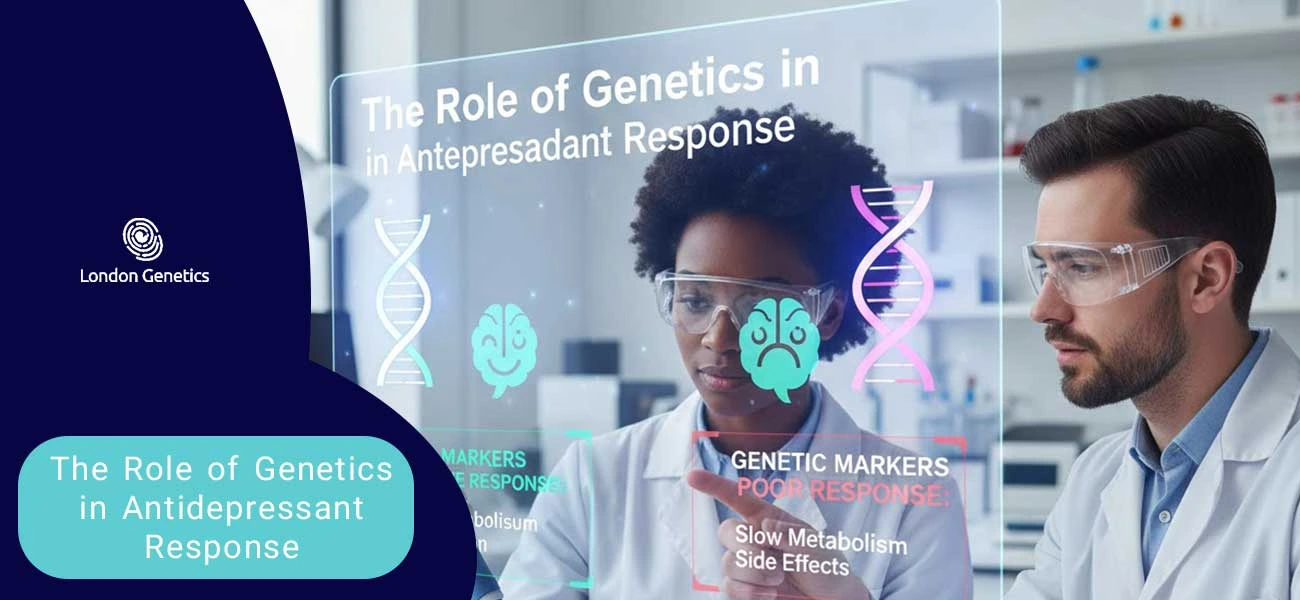
The Role of Genetics in Antidepressant Response
Psychiatric pharmacogenetics is the study of how individual genetic differences influence a patient’s response to antidepressant medications. It is a specialised branch of Pharmacogenomics, which examines the broader influence of genome-wide variations on drug efficacy and safety. Understanding genetic factors is crucial for explaining interindividual variability in antidepressant response and for developing personalised treatment strategies.
Certain genes play a key role in determining how patients metabolise and respond to antidepressants:
-
CYP2D6 (Cytochrome P450 2D6): This enzyme is responsible for metabolising many commonly prescribed antidepressants, including SSRIs and TCAs. Variants in CYP2D6 can classify patients as poor, intermediate, extensive, or ultra-rapid metabolisers, significantly affecting drug levels and treatment outcomes.
-
CYP2C19 (Cytochrome P450 2C19): Another important enzyme in antidepressant metabolism, especially for SSRIs such as citalopram and escitalopram. Genetic variations can alter plasma concentrations, influencing both efficacy and risk of side effects.
-
SLC6A4 (Serotonin Transporter Gene): This gene regulates the reuptake of serotonin in the brain. Polymorphisms in SLC6A4, such as the short (s) and long (l) alleles, have been associated with differences in response to SSRIs.
-
BDNF (Brain-Derived Neurotrophic Factor): BDNF is involved in neuroplasticity and neuronal survival. Certain BDNF variants, like Val66Met, may affect antidepressant response and influence treatment outcomes over time.
By integrating psychiatric pharmacogenetics into clinical practice, clinicians can optimise antidepressant response, reduce adverse effects, and move towards truly personalised depression treatment. Advances in pharmacogenomics also support the identification of novel genetic markers and pathways that may guide future therapeutic approaches.
Drug Metabolism and Genetic Variability
How an individual metabolises medication is a major factor affecting antidepressant response.
Drug metabolism involves biochemical processes, mainly in the liver, that break down and eliminate drugs. Genetic differences in enzymes can strongly influence these pathways, affecting drug levels, efficacy, and side effect risk.
Understanding genetic variability in enzymes like CYP2D6 and CYP2C19 allows clinicians to adjust antidepressant doses or choose alternative medications.
Pharmacogenetic testing helps predict metabolic phenotypes, optimise dosing, and improve individual antidepressant response.
Neurotransmitter Pathways and Genetic Differences
The effectiveness of antidepressants is closely linked to the brain’s neurotransmitter pathways, particularly those involving serotonin, norepinephrine, and dopamine. These neurotransmitters play essential roles in regulating mood, cognition, and behaviour, and their dysregulation is commonly associated with depression.
Genetic variations, or polymorphisms, in neurotransmitter receptors and transporters can significantly influence antidepressant response. For example:
-
Serotonin (5-HT) system: Variants in the SLC6A4 gene, which encodes the serotonin transporter, can affect serotonin reuptake and modulate response to SSRIs. Polymorphisms in 5-HT receptors may also alter drug efficacy.
-
Norepinephrine system: Genetic differences in adrenergic receptors or norepinephrine transporters can impact the effectiveness of SNRIs and certain tricyclic antidepressants.
-
Dopamine system: Variations in dopamine receptors (e.g., DRD2, DRD3) or transporters can influence motivation, reward processing, and response to specific antidepressant classes.
Psychiatric pharmacogenetics examines these gene–drug interactions to explain why some patients respond well to antidepressants while others do not. At a broader level, pharmacogenomics investigates genome-wide variations that affect neurotransmitter function and overall treatment outcomes, supporting the development of personalised depression therapies.
Understanding the interplay between neurotransmitter pathways and genetic differences is critical for optimising antidepressant response and advancing precision psychiatry.

Environmental and Clinical Factors Affecting Antidepressant Response
Although genetic differences play a central role in determining antidepressant response, it is equally important to consider the environmental and clinical factors that influence treatment outcomes. Age, sex, lifestyle habits, coexisting medical conditions, and concurrent medications can all interact with an individual’s genetic profile, creating a complex landscape that affects how patients respond to antidepressants.
Age, Sex, and Lifestyle
Age significantly affects drug metabolism, liver and kidney function, and brain chemistry, all of which can influence the pharmacokinetics and pharmacodynamics of antidepressants. Older adults, for instance, often metabolise medications more slowly, which may increase plasma drug concentrations and the risk of adverse effects. Sex-based differences are also important; hormonal variations between males and females can affect neurotransmitter systems and alter both the efficacy and side effect profiles of antidepressant medications. Additionally, lifestyle factors such as diet, physical activity, sleep quality, and chronic stress levels play a significant role in modulating the brain’s response to pharmacological treatment. Patients with irregular sleep patterns, poor nutrition, or high levels of psychosocial stress may experience a diminished antidepressant response compared to individuals with healthier lifestyles.
Drug Interactions
Concurrent medications can profoundly impact antidepressant effectiveness. Certain drugs may induce or inhibit the liver enzymes responsible for metabolising antidepressants, altering plasma drug levels and thereby influencing both efficacy and the risk of side effects. For example, enzyme-inducing drugs can lower the concentration of selective serotonin reuptake inhibitors (SSRIs) or serotonin–norepinephrine reuptake inhibitors (SNRIs), potentially reducing their therapeutic effect. Conversely, enzyme inhibitors may elevate drug levels, increasing the likelihood of adverse reactions. Awareness of these potential interactions is critical for clinicians when designing a treatment plan tailored to the individual.
Severity and Type of Depression
The clinical presentation of depression also affects antidepressant response. Patients with mild, moderate, or severe symptoms, or those who have comorbid conditions such as anxiety, may respond differently to the same pharmacological intervention. Certain antidepressant classes may be more effective for specific symptom profiles, highlighting the need for personalised treatment strategies that consider both the type and severity of depressive symptoms.
In summary, environmental and clinical factors—including age, sex, lifestyle, drug interactions, and the clinical characteristics of depression—interact with genetic predispositions to shape antidepressant response. Recognising and addressing these factors, alongside the insights provided by psychiatric pharmacogenetics, allows clinicians to optimise treatment strategies, minimise side effects, and improve outcomes for individual patients.
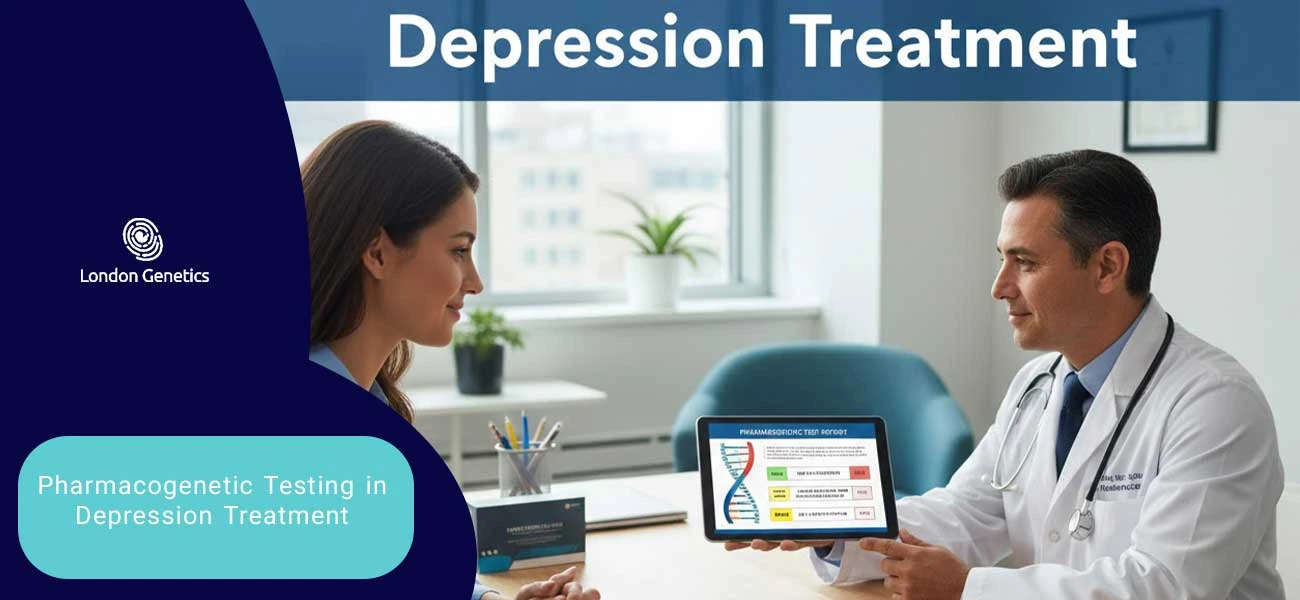
Pharmacogenetic Testing in Depression Treatment
In recent years, pharmacogenetic testing has emerged as a promising tool to improve antidepressant response in patients with depression. Psychiatric pharmacogenetics examines how individual genetic differences affect drug metabolism, neurotransmitter pathways, and receptor sensitivity. By identifying these genetic variations, clinicians can tailor antidepressant therapy to the unique profile of each patient, potentially enhancing efficacy and minimising adverse effects.
Available Genetic Tests
Currently, several pharmacogenetic tests are available that focus on key genes known to influence antidepressant metabolism and response. These include tests for CYP2D6 and CYP2C19, which affect how drugs such as SSRIs and TCAs are metabolised, as well as tests for SLC6A4 and BDNF, which influence neurotransmitter signalling and neuroplasticity. Many commercial panels combine multiple genes into a single assay, providing a broader view of the patient’s genetic profile and potential drug response.
Advantages and Limitations
Pharmacogenetic testing offers several advantages. By identifying patients who are poor, intermediate, extensive, or ultra-rapid metabolisers, clinicians can adjust dosages or select alternative medications, reducing the trial-and-error approach traditionally used in depression treatment. These tests can also help predict the likelihood of side effects and improve patient adherence to prescribed therapy.
However, there are limitations to consider. Genetic testing cannot account for all environmental, clinical, or psychosocial factors that influence antidepressant response. Moreover, some tests may not include all relevant genes, and interpretation of results requires specialised knowledge. Costs and insurance coverage can also limit accessibility for some patients.
Current Clinical Evidence
The current clinical evidence supports the use of pharmacogenetic testing as an adjunct to standard clinical assessment. Multiple studies have shown that patients whose antidepressant therapy is guided by pharmacogenetic information achieve higher rates of symptom improvement and lower rates of adverse effects compared to those receiving standard care. Despite this encouraging data, pharmacogenetic testing is still considered supplementary, and its use should be integrated thoughtfully within the broader framework of personalised depression treatment.
Pharmacogenetic testing represents a valuable approach to optimise antidepressant response by incorporating insights from psychiatric pharmacogenetics and pharmacogenomics. While it offers significant potential to guide drug selection and dosing, clinicians must consider it alongside environmental, clinical, and psychosocial factors to achieve the best outcomes for individual patients.
Conclusion: Personalising Antidepressant Therapy
Understanding individual variability in antidepressant response is essential for improving outcomes in depression treatment.
Genetic, biological, environmental, and clinical factors all contribute, making a one-size-fits-all approach largely ineffective.
Summary of Key Concepts:
– Pharmacogenetic and pharmacogenomic insights explain why patients respond differently to antidepressants.
– Genetic variations in enzymes, transporters, and receptors allow for personalised therapy.
– Environmental factors, lifestyle, comorbidities, and concurrent medications also influence treatment outcomes.
– Integrating these factors supports optimised dosing, minimised side effects, and enhanced antidepressant response.
Optimising Treatment:
Using pharmacogenetic testing combined with careful clinical assessment enables a holistic, patient-centred approach.
This strategy enhances response to therapy, supports long-term recovery, and moves away from trial-and-error prescribing.
Future Directions:
Advances in pharmacogenomics, digital health tools, and big data analytics hold promise for precision psychiatry.
The ultimate goal is truly personalised depression care tailored to each patient’s unique genetic, clinical, and environmental profile.