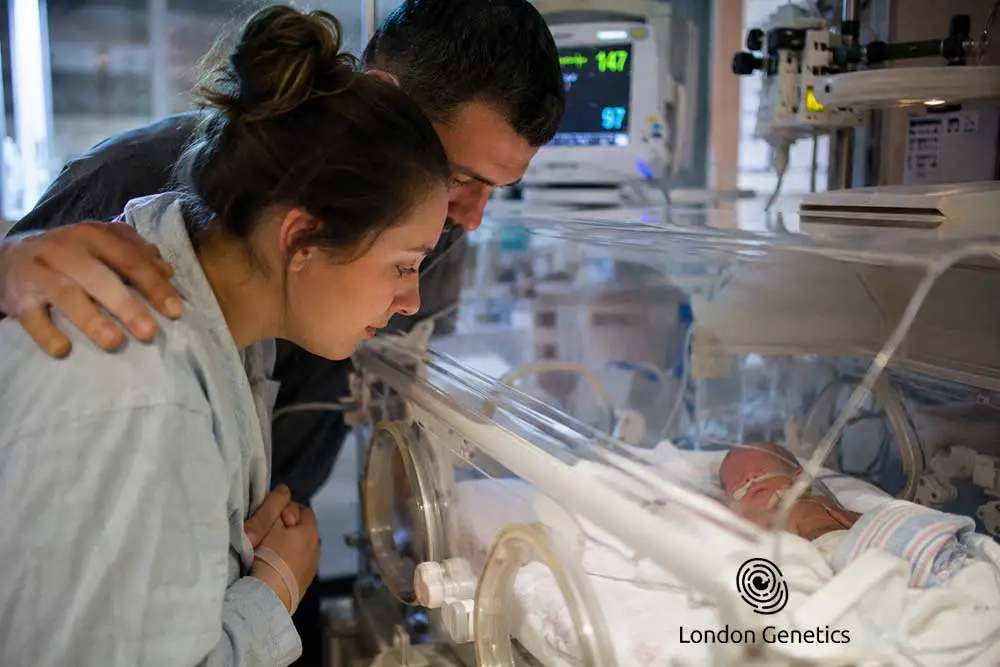
Why Might a Baby Be Admitted to the NICU?
Learning that your baby in the NICU needs specialist care can feel overwhelming, particularly if it wasn’t something you were expecting. Understanding why babies are admitted can help make the experience feel a little less frightening, even if it doesn’t take away the worry entirely
Premature Birth
The most common reason for a baby in the NICU is prematurity, typically referring to babies born before 37 weeks of pregnancy. The earlier a baby arrives, the more support they generally need with breathing, feeding, and temperature regulation, as these systems are still maturing.
Low Birth Weight
Babies born smaller than expected, whether premature or born at full term, often need closer monitoring in the NICU to support healthy growth and identify any underlying issues affecting their development.
Breathing Difficulties
Many newborns are admitted due to breathing problems, such as respiratory distress syndrome, particularly common in premature babies whose lungs haven’t fully developed. Specialist equipment and monitoring help support your baby’s breathing while they grow stronger.
Infections
Newborns can be particularly vulnerable to infections, sometimes picked up during pregnancy or birth. If an infection is suspected or confirmed, NICU care allows for close monitoring and prompt treatment.
Congenital Conditions or Suspected Genetic Concerns
Occasionally, a baby in the NICU is there because of a congenital abnormality identified before or shortly after birth, or because doctors suspect an underlying genetic or metabolic condition requiring specialist assessment and management.
Whatever the reason your baby has been admitted, it’s worth remembering that NICU care exists precisely because it offers the best possible support during a genuinely vulnerable stage, giving your baby the very best chance to thrive.
What Does the NICU Environment Actually Look Like?
Walking into the NICU for the first time can feel disorientating, with unfamiliar sounds, equipment, and routines all around you. Knowing roughly what to expect can help make that first visit feel a little less daunting.
Most NICUs are organised into different areas depending on how much support each baby needs. Some units use open bays with several incubators close together, while others offer individual rooms or curtained spaces for a bit more privacy. Lighting is often kept low, and noise is generally minimised.
Your baby may be cared for in an incubator, which helps maintain a stable temperature, alongside monitors tracking heart rate, breathing, and oxygen levels continuously. It’s entirely normal to feel unsettled seeing your baby connected to various tubes and wires, such as feeding tubes, breathing support, or intravenous lines. Staff will always explain what each piece of equipment is doing and why it’s needed.
Despite how clinical it might initially appear, NICUs are generally calm, focused environments staffed by professionals experienced in caring for exactly these situations. Many parents find that, over time, the space begins to feel more familiar.
Give yourself time to adjust. It’s completely normal for the NICU to feel like an unfamiliar world at first, and most parents find their confidence grows the more time they spend there alongside their baby.
Who’s Part of Your Baby’s Care Team?
Caring for a baby in the NICU involves a genuinely multidisciplinary team, with different specialists contributing their own expertise depending on your baby’s specific needs.
Neonatologists
These are doctors who specialise specifically in the care of newborns, particularly those who are premature or unwell. For any baby in the NICU, they typically lead the overall care plan, making key decisions about treatment alongside the wider team.
NICU Nurses
Nurses are often the professionals you’ll interact with most closely day to day. They provide hands-on care, monitor your baby continuously, and are usually your first point of contact for questions or concerns during your visits.
Respiratory Therapists
If your baby in the NICU needs breathing support, a respiratory therapist helps manage equipment such as ventilators or CPAP machines, adjusting support as your baby’s needs change over time.
Dietitians and Lactation Consultants
Nutrition plays a crucial role in recovery and growth. Dietitians help plan appropriate feeding strategies, while lactation consultants can offer valuable support if you’re hoping to breastfeed or express milk for your baby.
Pharmacists
Pharmacists caring for a baby in the NICU manage medication dosing with particular precision, which matters enormously given how sensitive newborns, especially premature babies, can be to even small variations in dose.
Genetic Specialists
For some babies, particularly those with congenital conditions or unexplained medical difficulties, a clinical geneticist may become involved, helping identify whether an underlying genetic factor is contributing to your baby’s condition and guiding next steps accordingly.
Social Workers and Family Support Staff
Having a baby in the NICU affects the whole family, not just the baby. Social workers and family support staff are often available to help with practical matters, emotional support, and connecting you with wider resources during what can be an exhausting time.
Don’t hesitate to ask any member of the team questions, however small they might seem. Good communication with your baby’s care team is one of the most valuable tools you have during this experience.
How Can Parents Be Involved During the NICU Stay?
Watching your baby in the NICU can leave many parents feeling helpless, particularly when so much of the care appears to be led by medical staff. The good news is there’s genuinely a great deal you can do to stay involved and connected with your baby, even amid all the equipment and monitoring.
Being present, however that looks for your particular situation, is one of the most valuable things you can offer your baby during their time in the NICU.
Understanding Common Tests and Procedures
It’s completely normal for a baby in the NICU to undergo a range of tests and procedures, many of which can look worrying to an unfamiliar eye. Understanding what these involve, and why they’re carried out, can help ease some of that concern.
Blood Tests
Regular blood tests are used to monitor a wide range of things, including blood sugar levels, infection markers, and how well your baby’s organs are functioning. While frequent blood draws can be difficult to watch, they’re essential for tracking your baby’s progress closely.
The Heel Prick Test
Alongside routine monitoring, your baby will usually have the standard newborn heel prick test, screening for several rare but serious conditions. In the NICU, additional or repeated testing may sometimes be needed depending on your baby’s specific circumstances.
Imaging: X-rays, Ultrasounds, and Scans
X-rays are commonly used to check lung development or the position of medical equipment, while ultrasounds, particularly of the brain, help monitor for any signs of bleeding or other concerns, especially in premature babies.
Monitoring Vital Signs
Continuous monitoring of heart rate, breathing, oxygen levels, and temperature happens throughout your baby’s stay, allowing staff to respond quickly to any changes, even minor ones, before they become more serious.
Genetic and Metabolic Testing
For babies with congenital anomalies, unexplained symptoms, or complex medical presentations that don’t fit a clear pattern, additional genetic or metabolic testing may be recommended, helping the care team understand whether an underlying genetic condition is contributing to your baby’s presentation.
Feeding and Growth Assessments
Regular weighing and feeding assessments help the team track whether your baby is growing and tolerating feeds well, adjusting their nutritional plan as needed along the way.
While the number of tests can feel overwhelming at times, each one plays a specific role in building a clearer picture of your baby’s health, helping the team provide the most accurate, tailored care possible.
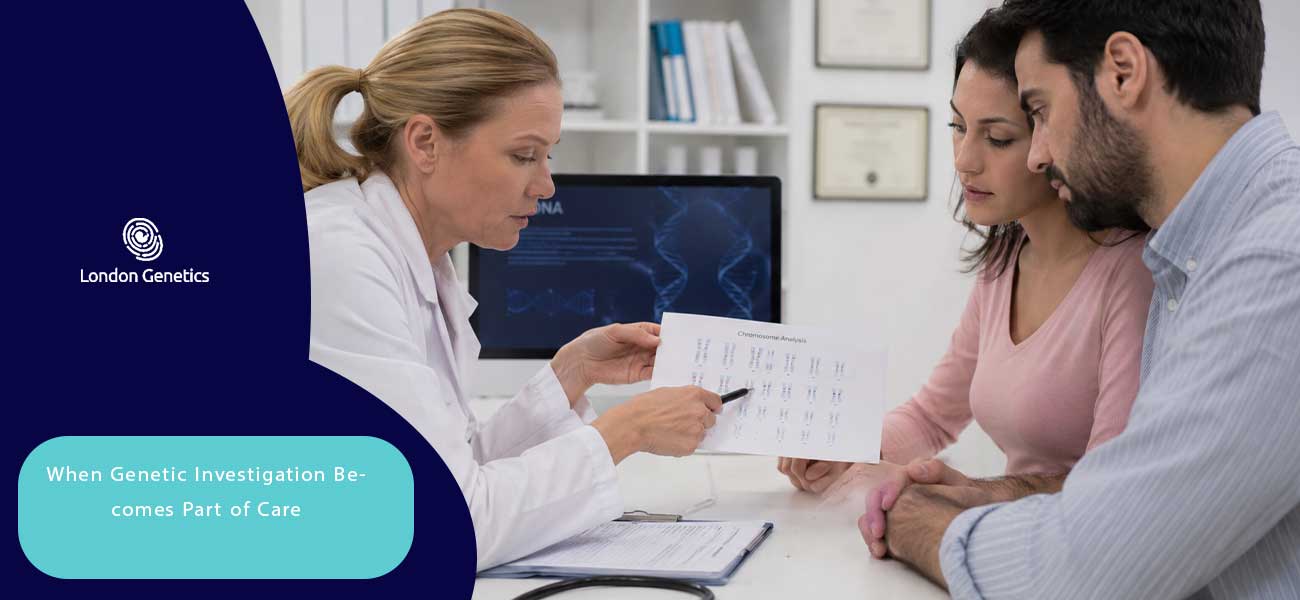
When Genetic Investigation Becomes Part of Care
For some babies, general monitoring and standard tests don’t fully explain what’s happening, and this is often when genetic investigation becomes a meaningful part of NICU care. It isn’t something every baby in the NICU will need, but for certain babies, it can provide answers that standard testing alone simply cannot offer.
When Genetic Testing Might Be Considered
Doctors may suggest genetic investigation for a baby in the NICU if they have a congenital anomaly without a clear cause, present with unusual or complex symptoms that don’t fit a typical pattern, or if there’s a family history of genetic conditions that could be relevant to their current presentation.
What This Involves for Families
Genetic investigation for a baby in the NICU typically starts with a detailed review of their medical presentation alongside your family history, before deciding whether specific genetic tests, such as chromosomal analysis or more detailed sequencing, would be appropriate. A specialist will talk you through what’s being considered, why, and what the possible outcomes might mean.
Why This Step Can Matter So Much
Identifying an underlying genetic cause isn’t just about reaching a label. It can directly shape treatment decisions, help the wider care team anticipate potential complications, and give you, as parents, real clarity during an already overwhelming time. For some families of a baby in the NICU, it also offers important information about the likelihood of a similar condition affecting future children.
Specialist Support Alongside Your NICU Team
This kind of investigation is usually carried out alongside a baby in the NICU‘s existing care, not instead of it, with a clinical geneticist working closely with neonatologists to interpret findings within the full context of your baby’s condition. This is precisely the kind of specialist support offered through Neonatal ICU Genetic Consultation, helping families understand results clearly and make informed decisions during a genuinely difficult time.
Being offered genetic testing can feel frightening, but it’s worth remembering that its purpose is to bring clarity, not simply to confirm bad news. Many families of a baby in the NICU find that, whatever the outcome, having clear answers makes the path ahead feel more manageable.
Taking Care of Yourself While Your Baby Is in the NICU
Having a baby in the NICU is exhausting, both physically and emotionally, and it’s genuinely easy for parents to put their own needs entirely aside. But looking after yourself isn’t a distraction from caring for your baby, it’s actually part of it.
Caring for yourself, even in small ways, ultimately helps you show up for your baby, today and in the weeks ahead. You don’t have to do this perfectly, you just have to keep showing up, however that looks for you.
Book Your Consultation with Dr Karimiani