Introduction to Newborn Screening Tests
Newborn Screening Tests are a group of essential health checks carried out shortly after a baby is born. These tests are designed to identify certain serious but treatable conditions before symptoms appear. Early detection allows doctors to begin treatment promptly, which can significantly improve a child’s long‑term health and development. In many countries, including the United Kingdom, these screenings are considered a vital part of routine newborn care.
Most Newborn Screening Tests are quick, safe, and minimally invasive. They are usually performed within the first few days of life and may include a small blood sample from the baby’s heel, a hearing test, and checks for certain physical conditions. The goal is not to diagnose every possible illness but to detect specific disorders where early intervention can make a major difference.
Some of these checks are closely related to Newborn Genetic Screening, which focuses on identifying inherited conditions caused by changes in genes. Detecting these conditions early helps healthcare professionals provide the right care, guidance, and treatment for affected infants.
Across many healthcare systems, these screenings are organised through structured Genetic Screening Programmes that ensure every newborn has access to the same important health checks. These programmes are carefully designed to balance accuracy, safety, and early diagnosis, helping to protect babies from conditions that might otherwise go unnoticed in the first weeks of life.
Why Newborn Screening Tests Are Important for Your Baby’s Health
Newborn Screening Tests are a vital component of early-life healthcare,
designed to identify serious medical conditions before symptoms appear.
By detecting hidden disorders shortly after birth,
these tests enable timely medical intervention,
helping to protect a baby’s development,
health, and long-term wellbeing.
Many serious conditions are not visible at birth
and may not show symptoms until damage has already occurred.
Newborn Screening Tests allow healthcare professionals
to identify these conditions in the earliest days of life,
before they begin to affect growth and development.
Early detection provides a critical window for timely medical action.
When conditions are identified early,
appropriate treatment or monitoring can begin immediately.
Early intervention can prevent severe outcomes
such as developmental delays,
organ damage,
or long-term disability.
This significantly improves the child’s health trajectory.
Newborn Screening Tests provide reassurance to parents
during the early stages of parenthood.
Knowing that their baby has been screened
for a range of serious conditions
offers peace of mind and confidence.
If an issue is detected,
families can access expert guidance,
support, and specialised care immediately.
Even babies who appear healthy at birth
may have underlying conditions.
Newborn Screening ensures that every child
benefits from early medical evaluation,
reducing risks and supporting healthy development.
It is a fundamental step in modern preventive healthcare.
Key Takeaway:
Newborn Screening Tests play a crucial role in early detection,
prevention, and timely intervention.
By identifying serious conditions before symptoms appear,
they protect infant health,
support families,
and provide every baby with the strongest possible start in life.
When and How Newborn Screening Tests Are Performed
When Are Newborn Screening Tests Done?
Newborn Screening Tests are usually carried out within the first few days after a baby is born. In many healthcare systems, including the UK, the main screening procedures take place between 24 hours and 5 days after birth. This short window allows healthcare professionals to check the baby’s health early while ensuring that the results are accurate.
Some Newborn Screening Tests, such as the hearing screening, are often performed before the baby leaves the hospital. Others, like the blood spot test, may be carried out at home or during a visit from a midwife within the first week of life. These early checks are carefully timed to detect certain conditions as soon as possible while giving the baby enough time to adjust after birth.
How Newborn Screening Tests Are Performed
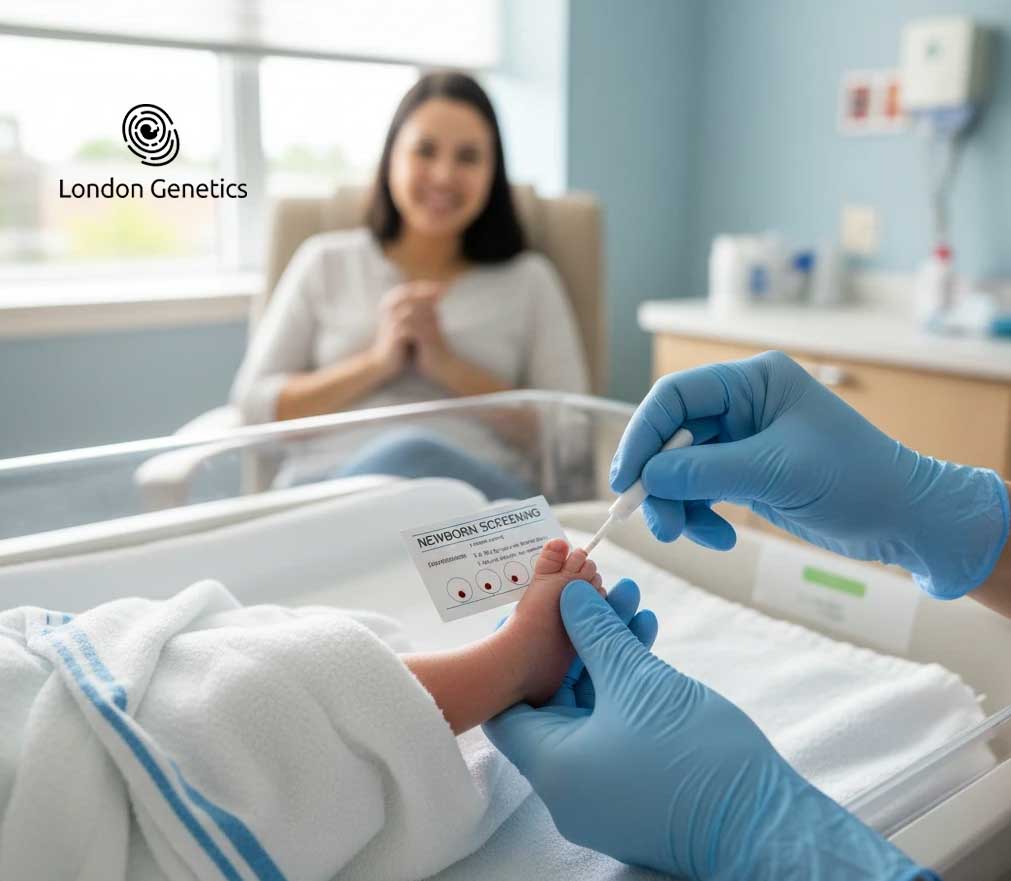
Most Newborn Screening Tests are simple, quick, and safe procedures. One of the most common methods is the heel‑prick blood test, sometimes called the blood spot test. During this procedure, a small drop of blood is taken from the baby’s heel and placed onto a special card. The sample is then sent to a laboratory where specialists analyse it for signs of several rare but serious conditions.
Another important part of Newborn Screening Tests is the newborn hearing screening. This painless test uses small sensors or a soft earpiece to check how well a baby responds to sound. The test only takes a few minutes and can often be done while the baby is asleep.
Together, these Newborn Screening Tests provide valuable information about a newborn’s health. By performing these checks early and safely, healthcare professionals can identify potential health concerns and ensure that babies receive the care they need as soon as possible.
Common Types of Newborn Screening Tests
Newborn Screening Tests include a range of essential health checks
performed shortly after birth to identify conditions
that may not be immediately visible.
These tests are quick, safe, and designed to detect serious disorders early,
allowing timely medical intervention and improved health outcomes.

Explore the key screening tests that protect your baby’s early health.

A small drop of blood is taken from the baby’s heel
and placed onto a special card for laboratory analysis.
This test screens for several rare but serious conditions,
including metabolic and inherited genetic disorders.
Early detection allows prompt treatment
and helps prevent long-term complications.

This test evaluates how a baby’s ears respond to sound
using a small, non-invasive device.
It is painless and typically performed while the baby is resting or sleeping.
Early detection of hearing issues supports
better language, communication, and cognitive development.

A small sensor is placed on the baby’s hand or foot
to measure oxygen saturation levels.
This simple test can help detect certain congenital heart conditions
that may not be immediately visible after birth.
Early identification enables timely medical evaluation and care.

A routine physical examination assesses the baby’s overall health,
including the heart, hips, eyes, and reflexes.
Healthcare professionals look for physical abnormalities
or developmental concerns that may require further evaluation.
This examination provides a complete overview
of the newborn’s physical condition.
Key Takeaway:
Common Newborn Screening Tests—including blood spot testing,
hearing screening, pulse oximetry, and physical examination—
provide a comprehensive early assessment of a baby’s health.
By identifying hidden conditions at an early stage,
these screenings enable timely care,
improve outcomes,
and support a healthy start to life.
What Conditions Can Newborn Screening Detect?
Newborn Screening Tests are designed to identify a range of rare but serious health conditions that may not be visible at birth. Many of these disorders develop silently in the early days of life, which means a baby may appear completely healthy while the condition is already affecting their body. Through Newborn Screening Tests, healthcare professionals can detect these issues early and begin treatment before serious complications develop.
Metabolic Disorders
Some Newborn Screening Tests focus on detecting metabolic disorders, which occur when the body cannot properly process certain nutrients such as proteins, fats, or sugars. One well‑known example is phenylketonuria (PKU), a condition that affects how the body processes the amino acid phenylalanine. If left untreated, metabolic disorders can lead to developmental delays and other serious health problems, but early diagnosis can allow for effective dietary management.
Genetic Conditions
Another group of conditions detected through Newborn Screening Tests includes inherited genetic disorders. These conditions are passed down through families and may affect how the body functions at a cellular level. Examples include cystic fibrosis and sickle cell disease. Early detection through screening helps doctors monitor the condition closely and provide specialised treatment plans from an early stage.
Hormonal Disorders
Hormonal conditions can also be identified through Newborn Screening Tests. One example is congenital hypothyroidism, where the thyroid gland does not produce enough hormones needed for normal growth and brain development. If this condition is detected early, treatment with hormone replacement can support healthy development.
Immune System Disorders
Some Newborn Screening Tests are able to detect disorders that affect the immune system, such as severe combined immunodeficiency (SCID). Babies with these conditions may struggle to fight infections. Early identification allows doctors to take protective measures and begin treatment before serious infections occur.
Overall, Newborn Screening Tests are essential for detecting conditions that might otherwise remain unnoticed in the early stages of life. Identifying these disorders early gives babies the best chance of receiving timely care and growing up as healthy as possible.
What Happens If a Newborn Screening Test Shows an Abnormal Result?
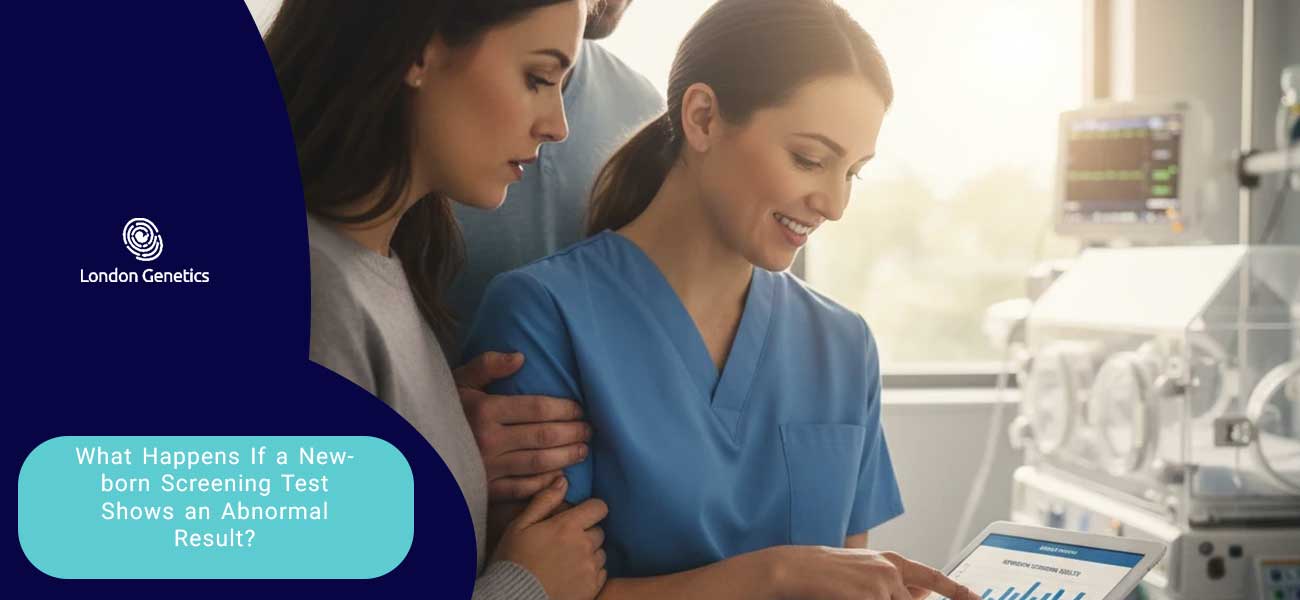
If one of the Newborn Screening Tests shows an abnormal or unexpected result, it does not necessarily mean that a baby has a serious medical condition. In many cases, the result simply indicates that further testing is needed to confirm whether a problem is actually present. Screening tests are designed to identify possible risks rather than provide a final diagnosis.
Follow‑Up Testing
When an abnormal result appears in Newborn Screening Tests, healthcare professionals usually arrange follow‑up tests as soon as possible. These additional tests may involve another blood sample, more detailed laboratory analysis, or specialised medical examinations. The purpose is to confirm or rule out the condition that the initial screening suggested.
Consultation with Specialists
If further tests suggest that a condition may be present, families are often referred to medical specialists who have experience in treating that specific disorder. Doctors, genetic counsellors, and paediatric specialists can explain the results of the Newborn Screening Tests, discuss treatment options, and guide parents through the next steps.
Early Treatment and Care
One of the main reasons Newborn Screening Tests are so valuable is that they allow treatment to begin early if a condition is confirmed. Early care may involve medication, dietary changes, regular monitoring, or specialised therapies depending on the condition involved. Starting treatment at an early stage can greatly improve health outcomes and help prevent serious complications.
Although receiving an abnormal result from Newborn Screening Tests can be worrying for parents, it is important to remember that these screenings are designed to protect a baby’s health. With prompt follow‑up testing and proper medical support, many conditions can be managed effectively when detected early.
Conclusion: How Newborn Screening Tests Safeguard Early Life Health
Understanding the Critical Role of Early Screening in Newborn Care
Newborn Screening Tests represent one of the most effective preventive measures in modern neonatal healthcare. Although simple and quick to perform, these tests play a vital role in identifying serious medical conditions that may not present visible symptoms at birth. Early detection allows healthcare professionals to initiate timely treatment or monitoring, significantly reducing the risk of complications and supporting healthy development.
For parents, newborn screening provides reassurance that their baby’s health is being carefully evaluated from the very beginning. These programmes are specifically designed to detect rare but potentially serious conditions where early medical intervention can make a meaningful difference in long-term outcomes, including growth, neurological development, and overall wellbeing.
It is important to recognise that Newborn Screening Tests are fundamentally preventive. Their purpose extends beyond identifying existing conditions—they help ensure that babies receive the best possible start in life. When potential issues are detected early, families can access appropriate medical care, guidance, and support at a critical stage of development.
As part of modern healthcare systems, newborn screening has become a standard component of postnatal care. Increased awareness of its benefits enables parents to feel more informed, confident, and engaged in their baby’s early health journey.
Why This Matters:
Newborn Screening Tests help detect hidden medical conditions before symptoms appear, allowing for early intervention and significantly improving long-term health outcomes.
The Value of Early Detection:
By identifying potential health concerns in the first days of life, healthcare providers can deliver timely treatment, reduce complications, and support optimal physical and cognitive development.
Looking Ahead:
As neonatal care continues to advance, newborn screening programmes will remain essential in promoting early diagnosis, preventive healthcare, and improved quality of life for future generations.