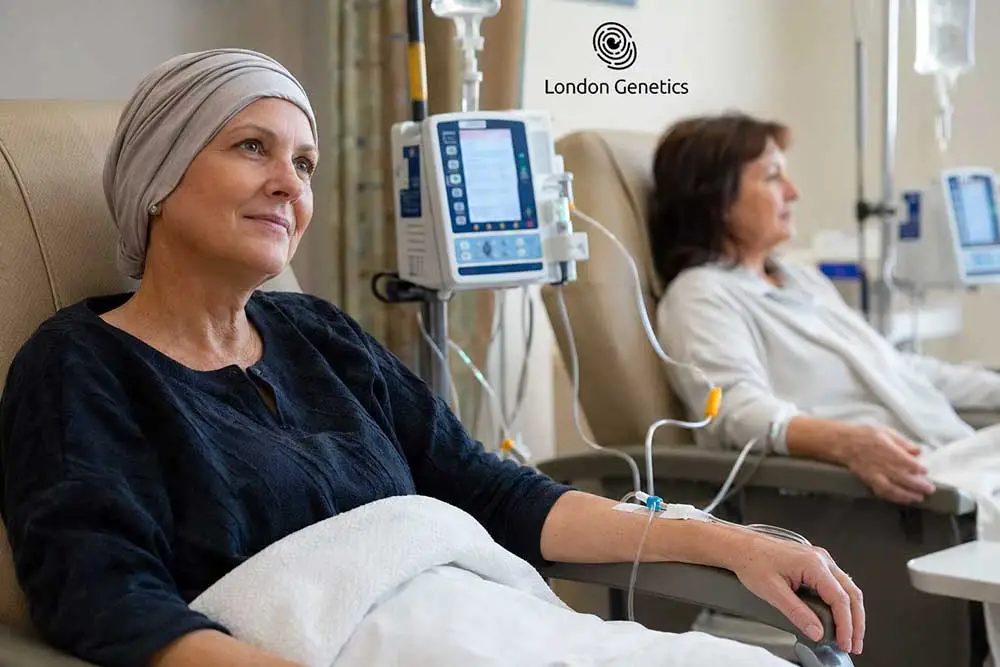
What Causes Chemotherapy Side Effects?
Chemotherapy works by targeting rapidly dividing cells, which is precisely how cancer cells behave. The trouble is, several types of healthy cells in the body also divide quickly, including those in the hair follicles, digestive tract, and bone marrow. This is the main reason chemotherapy side effects occur — the treatment can’t always distinguish perfectly between a cancer cell and a healthy, fast-growing cell.
Different chemotherapy drugs work in slightly different ways, which is why chemotherapy side effects can vary considerably depending on which medication, or combination of medications, a patient is prescribed. Dosage, the length of treatment, and a patient’s overall health all play a part too, alongside the specific type and stage of cancer being treated.
However, drug type and dose don’t tell the whole story. Two patients on the exact same chemotherapy regimen can experience remarkably different chemotherapy side effects — one coping relatively well, the other struggling considerably more. Increasingly, research points to a genetic explanation for much of this variation, an area explored through Oncology Pharmacogenomics, which looks at how a patient’s genetic profile influences their response to cancer treatments.
Common Chemotherapy Side Effects Most Patients Experience
While every patient’s experience is different, certain chemotherapy side effects are reported frequently enough to be considered fairly typical. Knowing what to expect can make these symptoms feel far more manageable when they do arise.
Most of these symptoms, while unpleasant, are temporary and well understood by oncology teams, who can offer practical support and, where needed, adjust your treatment to keep side effects as manageable as possible.
Why Some Patients Experience Much Harsher Side Effects Than Others
It’s a question oncology teams hear time and again — why do two patients, receiving the exact same chemotherapy regimen, end up with such different experiences? While mild chemotherapy side effects are common for most, some patients find themselves dealing with symptoms considerably more severe than expected.
Overall Health and Existing Conditions
A patient’s general health, age, and any existing conditions such as kidney or liver problems can all influence how the body copes with treatment. Someone in otherwise good health may tolerate the same dose far more comfortably than someone managing additional health complications.
Type and Stage of Cancer
The specific cancer being treated, along with its stage and how aggressively it’s being targeted, often determines the intensity of the chemotherapy regimen required, which naturally affects the severity of chemotherapy side effects experienced.
Combination Treatments
Patients receiving more than one chemotherapy drug, or chemotherapy alongside radiotherapy, often experience a heavier symptom burden than those on a single-drug regimen, simply due to the cumulative effect on the body.
Individual Body Chemistry
Beyond these more obvious factors, there’s a less visible piece of the puzzle: how an individual’s body actually processes and clears each drug. Two patients of similar age and health can still react quite differently, and this is where the conversation increasingly turns to genetics — a factor that helps explain much of the unpredictability behind chemotherapy side effects, and one we’ll explore in more detail shortly.
Serious Side Effects: When to Seek Medical Help
While most chemotherapy side effects are manageable with the right support, certain symptoms are more serious and require urgent medical attention. Oncology teams generally provide clear guidance before treatment begins, but it’s worth being familiar with the key warning signs.
Because serious chemotherapy side effects can develop quickly, it’s always safer to contact your oncology team or emergency services promptly rather than waiting to see if a symptom passes on its own.
The Genetic Factors Behind Individual Drug Response
As we touched on earlier, no two patients respond to chemotherapy in quite the same way, and much of this comes down to genetics. Understanding this genetic dimension is helping to reshape how chemotherapy side effects are anticipated and managed in modern oncology care.
Genetic Variations in Drug Metabolism
Much of how the body processes a chemotherapy drug depends on a group of liver enzymes responsible for breaking it down and clearing it from the system. Genetic variations in these enzymes can mean some patients metabolise a drug far more slowly than average, allowing it to build up in the body and significantly increase the risk of severe chemotherapy side effects. Others may process a drug too quickly, potentially reducing its effectiveness against the cancer itself.
A Well-Known Example: DPD Deficiency
One of the clearest examples in oncology involves an enzyme called DPD, which plays a key role in breaking down certain common chemotherapy drugs. Patients with reduced DPD activity, due to a genetic variation, are at considerably higher risk of severe, sometimes life-threatening, side effects from these particular medications — which is why genetic testing before treatment is becoming increasingly recommended.
Moving Beyond Trial and Error
Traditionally, managing chemotherapy side effects has relied heavily on a “wait and see” approach, adjusting doses only after a reaction has already occurred. Genetic insight offers a different path entirely, allowing potential risks to be identified before treatment even begins.
Exploring Your Own Genetic Profile
This is precisely the area explored through Oncology Pharmacogenomics, which looks at how a patient’s genetic makeup influences their response to cancer treatments. Rather than relying purely on trial and error, this kind of testing can help identify which drugs, and which doses, are more likely to be both safe and effective for a particular patient, reducing the risk of severe chemotherapy side effects before treatment starts.
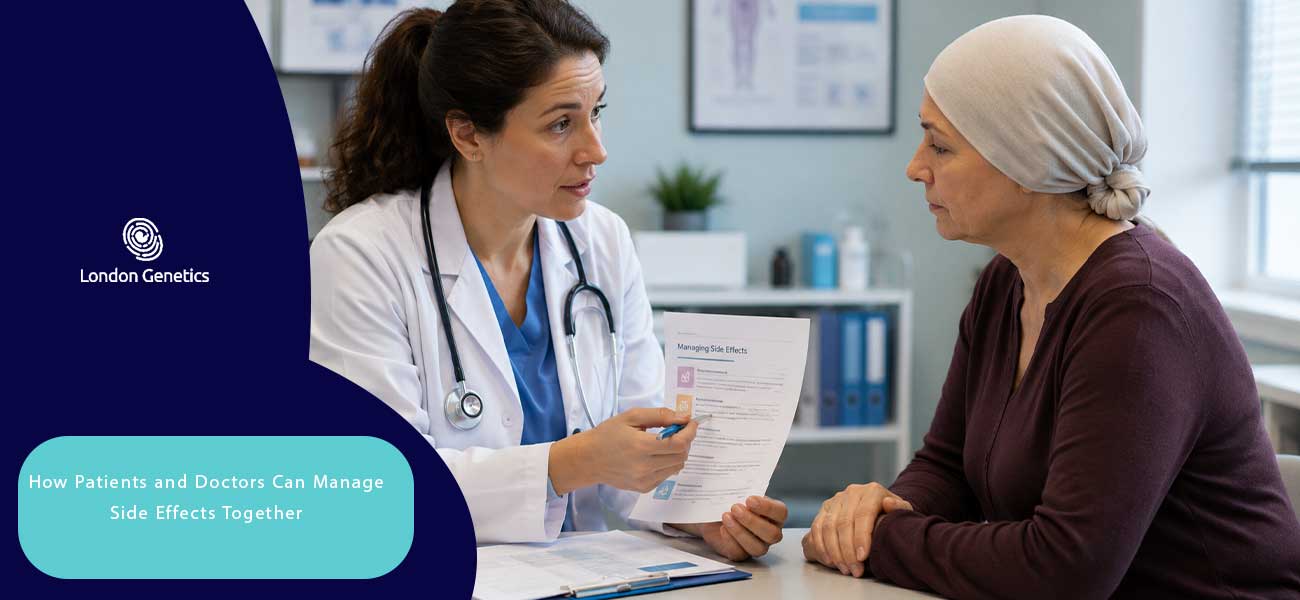
How Patients and Doctors Can Manage Side Effects Together
Managing chemotherapy side effects works best as a genuine partnership between patient and care team, rather than something faced alone. Open communication, practical planning, and a willingness to speak up early can make a considerable difference to how treatment feels day to day.
Report Symptoms Early, Not Just When They Become Severe
Many chemotherapy side effects are far easier to manage when caught early. Rather than waiting until a symptom becomes unbearable, it’s always worth mentioning even mild concerns to your oncology team promptly, as small adjustments early on can prevent bigger problems later.
Take Prescribed Medications as Directed
Anti-sickness medication, in particular, works best when taken exactly as prescribed, often before nausea even sets in, rather than waiting until symptoms appear. Your care team will explain the right timing for any supportive medications you’re given.
Keep a Simple Symptom Diary
Noting down which chemotherapy side effects appear, how severe they are, and when they occur in your treatment cycle can help your oncology team spot patterns and adjust your care plan more precisely.
Ask About Dose Adjustments or Alternative Regimens
If side effects are proving particularly difficult, it’s always worth asking whether a dose adjustment, a change in timing, or an alternative drug combination might help, rather than simply enduring symptoms as an unavoidable part of treatment.
Lean on Practical and Emotional Support
Managing fatigue, appetite changes, or emotional strain is often easier with support from family, friends, or patient support services. Many hospitals and charities offer dedicated resources for exactly this purpose, alongside the clinical side of your care.
Ultimately, chemotherapy side effects are rarely something patients need to simply put up with in silence — most can be reduced, managed, or better anticipated through close, ongoing collaboration with your oncology team.
Summary: Key Takeaways on Chemotherapy Side Effects
Chemotherapy remains one of the most effective treatments available for many types of cancer, and while chemotherapy side effects are a genuine part of the journey for most patients, understanding what to expect—and why experiences differ so widely—can make treatment feel far less overwhelming. Knowing which symptoms are expected, which require urgent attention, and how genetics may influence your response allows you to approach chemotherapy with greater confidence and better preparation.
If you’re concerned about how your body might respond to chemotherapy, or you’ve experienced unusually severe chemotherapy side effects in the past, it may be worth discussing pharmacogenomic testing with your oncologist. Understanding your genetic profile can help identify whether you’re at increased risk of serious reactions and support a treatment plan that’s both safer and more effective for your individual needs.
Book Your Consultation with Dr Karimiani