Introduction
Background of Cancer Treatment Evolution
The treatment of cancer has undergone significant transformation over the past several decades. Early therapeutic approaches primarily relied on surgery, radiotherapy, and non-specific chemotherapy, which targeted rapidly dividing cells but often affected healthy tissues as well. While these methods improved survival rates for many patients, their lack of specificity frequently resulted in substantial side effects and variable clinical outcomes. Advances in molecular biology and biotechnology have gradually shifted oncology towards more precise and mechanism-based strategies, focusing on the biological characteristics of individual tumours rather than a one-size-fits-all approach.
Emergence of Genome-Based Therapy
The development of high-throughput genomic technologies has enabled comprehensive analysis of tumour DNA, revealing specific mutations, gene expression patterns, and molecular alterations driving cancer progression. This scientific progress led to the emergence of genome-based therapy, in which treatment decisions are guided by the genetic profile of the tumour. By identifying actionable mutations and molecular targets, clinicians can select anti-cancer drugs that are more likely to be effective for a particular patient. This approach represents a major advancement in Oncology Pharmacogenomics , integrating genomic data with drug response to optimise therapeutic outcomes and minimise unnecessary toxicity.
Aim and Scope of the Article
The aim of this article is to explore the role of genome-based strategies in the selection of anti-cancer drugs and to examine their impact on modern precision oncology. The scope includes an overview of the biological foundations of cancer genomics, the principles of Oncology Pharmacogenomics, and the clinical applications of genomic profiling in treatment decision-making. Additionally, the article discusses current technologies, challenges, and future perspectives in integrating genomic data into routine oncological practice. By synthesising existing knowledge, this review seeks to provide a comprehensive understanding of how genomic insights are reshaping cancer therapy.
Fundamentals of the Genome in Cancer
The human genome plays a central role in cancer biology.
Alterations in genomic structure and function can disrupt
normal cellular processes such as growth control,
apoptosis, and DNA repair.
Understanding the genome is therefore essential
for genome-guided therapies in Oncology Pharmacogenomics,
where treatment is tailored to molecular characteristics.
The human genome consists of approximately 3 billion DNA base pairs
organised into 23 chromosome pairs.
It includes coding regions that produce proteins
and non-coding regions that regulate gene expression
and cellular function.
In cancer, genomic alterations can interfere with
essential regulatory mechanisms.
Cancer develops through the accumulation of genetic mutations
that alter normal cellular regulation.
Mutations may arise from environmental exposures
(such as radiation or carcinogens),
inherited predisposition,
or spontaneous DNA replication errors.
When genes involved in cell cycle control,
DNA repair, or apoptosis are affected,
uncontrolled proliferation may occur,
leading to tumour progression and metastasis.
Genome analysis enables identification of tumour-specific alterations.
These insights form the foundation of targeted therapies
in modern oncology,
supporting precision medicine approaches
within Oncology Pharmacogenomics.
Not all mutations contribute equally to cancer development.
Driver mutations directly promote tumour growth
by activating oncogenes or inactivating tumour suppressor genes.
They play a causal role in oncogenesis
and are primary targets in genome-based therapy.
Passenger mutations occur during tumour evolution
but do not significantly influence progression.
Although present in the tumour genome,
they are not essential for malignancy.
Distinguishing between driver and passenger mutations
is fundamental for effective targeted treatment design.
Key Takeaway:
The genome is central to cancer development, progression, and treatment.
Understanding genetic mutations—particularly driver alterations—
enables precision oncology strategies,
supports targeted therapies,
and advances personalised medicine in cancer care.
Principles of Genome-Based Treatment
Concept of Precision Oncology
Precision oncology is an advanced approach to cancer treatment that tailors therapeutic strategies to the individual molecular characteristics of each patient’s tumour. Rather than applying uniform treatment protocols, this model integrates genomic information to identify specific genetic alterations driving tumour growth. By targeting these alterations, therapies can achieve higher efficacy with potentially reduced toxicity. The development of precision oncology represents a major milestone in Oncology Pharmacogenomics, as it connects genomic variation with differential drug response to optimise clinical outcomes.
Role of Molecular Profiling
Molecular profiling is the systematic analysis of tumour DNA, RNA, and sometimes protein expression to detect actionable genetic changes. Techniques such as next-generation sequencing enable comprehensive identification of mutations, gene amplifications, deletions, and rearrangements. This information helps clinicians determine which therapeutic agents are most likely to be effective for a given patient. Molecular profiling also assists in predicting resistance mechanisms and guiding treatment adjustments over time, thereby enhancing the strategic application of anti-cancer drugs within a genome-based framework.
Biomarker-Guided Therapy
Biomarker-guided therapy involves selecting treatments based on the presence of specific biological markers that indicate responsiveness to a particular drug. These biomarkers may include gene mutations, protein overexpression, or genomic signatures associated with therapeutic sensitivity. By using validated biomarkers, clinicians can improve treatment precision, avoid ineffective therapies, and reduce unnecessary side effects. This approach is a core component of Oncology Pharmacogenomics, as it directly links genetic information to pharmacological decision-making and supports evidence-based personalised cancer care.
Types of Anti-Cancer Drugs Based on the Genome
Genome-guided cancer therapy represents a major advancement in modern oncology.
Anti-cancer drugs are increasingly selected based on tumour-specific molecular alterations,
enabling more precise, effective, and personalised treatment strategies
within the framework of Oncology Pharmacogenomics.

Explore the main categories of genome-based cancer therapies.

Targeted therapies act on specific molecular alterations identified
through genomic profiling.
Unlike conventional chemotherapy, which affects rapidly dividing cells broadly,
these agents focus on defined genetic drivers of cancer progression.
By inhibiting key signalling pathways,
they suppress tumour growth while minimising damage to normal tissues.

Tyrosine kinase inhibitors block enzymes that regulate
cellular proliferation and survival.
Many cancers are driven by mutations that activate tyrosine kinases,
leading to uncontrolled growth.
TKIs are often prescribed when actionable genetic mutations
are detected, demonstrating the integration of genomic data
into clinical oncology.

Monoclonal antibodies are engineered proteins designed
to bind specific tumour-associated antigens.
They may block growth signals,
mark cancer cells for immune destruction,
or deliver cytotoxic agents directly to malignant tissue.
Their selection often depends on molecular biomarkers
confirming target expression.

Immunotherapy strengthens the body’s immune response
to recognise and eliminate cancer cells.
Certain strategies, such as immune checkpoint inhibitors,
are particularly effective in tumours with
high mutational burden or microsatellite instability.
Genomic analysis helps identify patients most likely
to benefit from these treatments.

Tumours may develop secondary mutations
that reduce sensitivity to single agents.
Combination strategies integrate multiple genome-guided therapies,
including targeted drugs and immunotherapy,
to improve efficacy.
Treatment design is informed by genomic data,
reflecting the evolving role of precision oncology.
Key Takeaway:
Genome-based anti-cancer therapies—including targeted treatments,
tyrosine kinase inhibitors, monoclonal antibodies,
immunotherapy, and rational combinations—
represent the foundation of modern precision oncology.
By integrating molecular profiling into clinical decision-making,
Oncology Pharmacogenomics enables more effective,
personalised, and biologically informed cancer treatment.
Genomic Testing Technologies
Next-Generation Sequencing (NGS)
Next-generation sequencing (NGS) is a transformative technology that enables comprehensive detection of genetic alterations within tumours. By analysing multiple genes simultaneously, NGS identifies mutations, gene amplifications, deletions, and rearrangements that directly influence the selection of Anti-Cancer Drugs. The ability to profile tumours at high resolution allows clinicians to match specific molecular abnormalities with appropriate targeted therapies. As a result, NGS has become a fundamental tool in guiding evidence-based prescription of Anti-Cancer Drugs within precision oncology.
Whole-Genome and Exome Sequencing
Whole-genome sequencing (WGS) and whole-exome sequencing (WES) provide extensive genetic information for therapeutic decision-making. WGS evaluates the entire tumour genome, including regulatory regions, while WES focuses on protein-coding regions where many clinically actionable mutations occur. These approaches help identify genetic drivers that determine sensitivity or resistance to specific Anti-Cancer Drugs. By uncovering rare or complex mutations, genome-wide sequencing enhances treatment individualisation and supports rational drug selection in advanced cancer care.
Liquid Biopsy
Liquid biopsy is a minimally invasive genomic testing method that analyses circulating tumour DNA (ctDNA) from blood samples. This technology enables real-time monitoring of tumour evolution, treatment response, and the emergence of resistance mutations during Anti-Cancer Drugs therapy. Unlike traditional tissue biopsy, liquid biopsy allows repeated sampling, facilitating dynamic adjustment of treatment strategies. Its integration into clinical practice improves the precision of drug selection and supports ongoing optimisation of therapeutic regimens.
Companion Diagnostics
Companion diagnostics are specialised tests designed to identify patients who are likely to benefit from a specific Anti-Cancer Drugs regimen. These tests detect predictive biomarkers that confirm the presence of drug-targetable genetic alterations. Regulatory approval of many targeted therapies requires validated companion diagnostic testing to ensure safe and effective use. By linking molecular findings directly to pharmacological interventions, companion diagnostics represent a critical bridge between genomic data and the clinical application of Anti-Cancer Drugs.
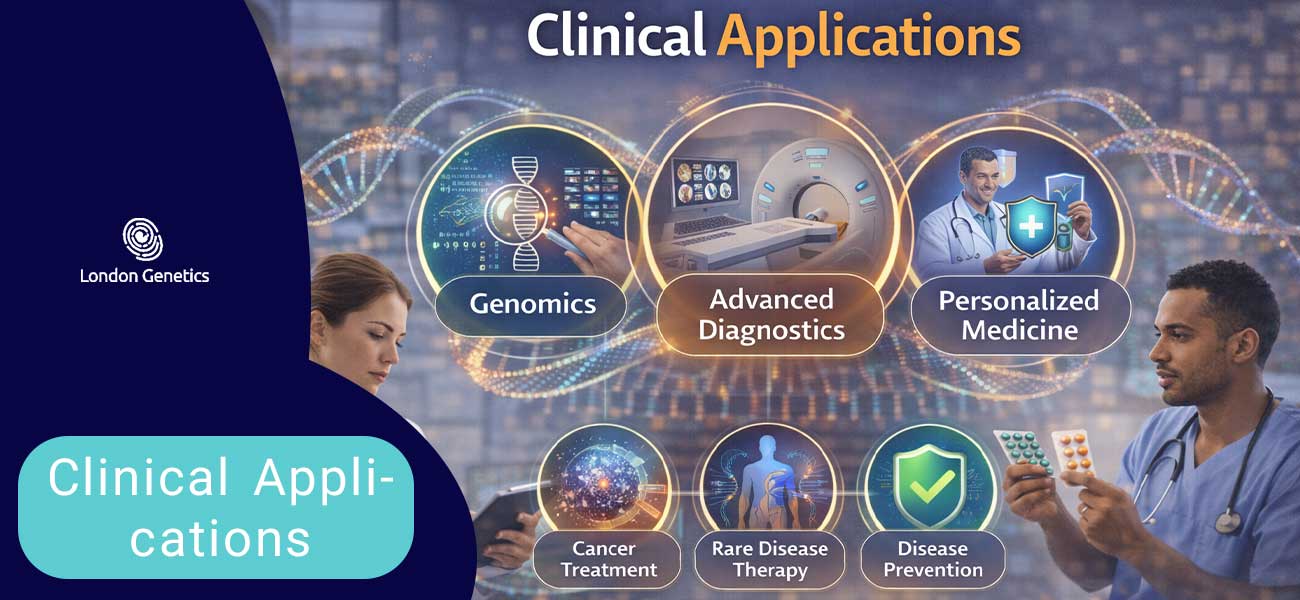
Clinical Applications
Treatment Selection in Solid Tumours
Genome-based strategies have significantly improved the selection of Anti-Cancer Drugs in solid tumours such as lung, breast, colorectal, and prostate cancers. Molecular profiling enables identification of actionable mutations that predict sensitivity to targeted agents. By matching tumour-specific genetic alterations with appropriate therapies, clinicians can optimise efficacy and reduce unnecessary toxicity. This personalised approach enhances response rates and supports evidence-based decision-making in routine oncology practice.
Haematological Malignancies
In blood cancers, including leukaemias, lymphomas, and myeloma, genomic testing plays a central role in guiding treatment strategies. Many haematological malignancies are driven by well-defined genetic abnormalities that determine responsiveness to specific Anti-Cancer Drugs. Identification of chromosomal translocations, gene mutations, or signalling pathway alterations allows for precise therapeutic targeting. As a result, genome-guided treatment has improved survival outcomes and transformed the management of several blood-based cancers.
Therapy Monitoring and Resistance Detection
One of the most important clinical applications of genomic technologies is the ongoing monitoring of treatment response. During Anti-Cancer Drugs therapy, tumours may acquire new mutations that lead to drug resistance. Techniques such as liquid biopsy and serial molecular profiling enable early detection of resistance mechanisms. This information allows clinicians to modify treatment plans, introduce alternative targeted agents, or implement combination strategies. Continuous genomic monitoring therefore enhances long-term treatment effectiveness and supports adaptive precision oncology.
Conclusion: Genome-Guided Strategies in Modern Anti-Cancer Therapy
This article has highlighted the transformative role of genome-guided strategies
in the development and application of Anti-Cancer Drugs.
Advances in molecular profiling, next-generation sequencing,
and biomarker-driven approaches have enabled precise identification
of actionable genetic alterations within tumours.
The integration of genomic data into clinical decision-making
supports targeted therapy selection,
improves treatment specificity,
and enhances understanding of tumour biology.
Overall, genomic technologies have reshaped modern oncology
by aligning therapeutic interventions with individual tumour characteristics.
The clinical impact of genome-based cancer treatment is substantial.
By selecting Anti-Cancer Drugs according to tumour-specific mutations,
clinicians can improve response rates,
reduce unnecessary toxicity,
and optimise patient outcomes.
Companion diagnostics and precision oncology frameworks
ensure that therapies are administered to patients
most likely to benefit.
This personalised approach enhances therapeutic efficacy
while contributing to more efficient healthcare resource utilisation.
As genomic testing becomes increasingly integrated into routine oncology practice,
its role in guiding cancer therapy continues to expand.
Looking ahead, future research is expected to further improve
the accuracy, accessibility, and cost-effectiveness of genomic technologies
used in Anti-Cancer Drug selection.
Advances in artificial intelligence,
multi-omics integration,
and real-time molecular monitoring
are anticipated to refine personalised treatment strategies.
Continued investigation will strengthen knowledge in the following areas:
- Enhanced precision in identifying actionable tumour mutations
- Improved prediction and management of drug resistance
- Deeper understanding of tumour heterogeneity
- Integration of multi-omics data in treatment planning
- Development of next-generation targeted therapies
Why This Matters:
Genome-guided cancer therapy represents a central pillar of precision oncology.
By linking molecular insights to therapeutic decisions,
it enables more effective, personalised,
and biologically informed treatment strategies.
This approach improves clinical outcomes
while minimising unnecessary exposure to ineffective therapies.
The Value of Continued Innovation:
Ongoing advancements in genomic science,
computational biology,
and translational oncology
will continue to strengthen the connection
between molecular discovery and clinical application.
Sustained research efforts will support the evolution of
more refined, adaptive, and resistance-aware cancer treatments.
Your Next Step:
Explore how genomic profiling and precision oncology strategies
can inform modern cancer care,
improve treatment selection,
and support evidence-based therapeutic planning.