What Are Chromosomal Abnormalities?
Understanding the Basics
Chromosomal abnormalities are changes in the normal structure or number of chromosomes in a person’s cells. Humans typically have 46 chromosomes, arranged in 23 pairs, which carry all the genetic information necessary for growth, development, and overall health. When there is a deviation—such as a missing chromosome, an extra copy, or a structural rearrangement—it can disrupt normal development and contribute to conditions that require careful Developmental Disorders Genetic Diagnosis.
How Chromosomal Abnormalities Affect Development
These abnormalities can influence physical, cognitive, and reproductive development, depending on which chromosome is affected and the type of change. For instance, an extra copy of chromosome 21 results in Down syndrome, affecting both physical features and cognitive function. Structural changes, like deletions or translocations, can interfere with gene function, potentially leading to developmental delays or other disorders that are often identified through Developmental Disorders Genetic Diagnosis.
Inherited vs. Acquired Chromosomal Abnormalities
Chromosomal abnormalities can be inherited from a parent or arise spontaneously during cell division. Inherited abnormalities are present in all cells of the body, while acquired abnormalities may occur in specific tissues and can sometimes be associated with conditions such as cancer.
Why Understanding Chromosomal Abnormalities Matters
Recognising and studying chromosomal abnormalities helps healthcare providers diagnose conditions, predict potential health risks, and plan appropriate medical care. Advances in genetic testing and Developmental Disorders Genetic Diagnosis have made it easier than ever to detect these abnormalities, allowing for early intervention and better management of associated health challenges.
In short, chromosomal abnormalities are a fundamental aspect of genetics that play a crucial role in human development and health, making their study—and accurate Developmental Disorders Genetic Diagnosis—essential for personalised medicine and effective healthcare.
Causes of Chromosomal Abnormalities
Chromosomal abnormalities can arise from various factors, affecting the number or structure of chromosomes in cells. Understanding these causes helps healthcare providers predict risks, offer counselling, and guide early interventions.
One of the most common causes of chromosomal abnormalities is errors during cell division, such as nondisjunction, where chromosomes fail to separate properly.
These errors can result in extra or missing chromosomes, leading to conditions like Down syndrome, Turner syndrome, or Klinefelter syndrome.
Early recognition of these errors is important for diagnosis and care planning.
Some chromosomal abnormalities are inherited from a parent, involving duplications, deletions, or rearrangements of chromosomes.
These inherited mutations can contribute to developmental disorders that require careful Developmental Disorders Genetic Diagnosis for effective management.
Understanding inheritance patterns aids families and clinicians in proactive healthcare planning.
External factors, such as radiation, certain chemicals, or viral infections during pregnancy, can disrupt normal chromosome replication and division.
These disruptions may increase the risk of structural changes or variations in chromosome numbers, affecting fetal development.
Awareness of these influences helps in risk assessment and preventive strategies.
Knowledge of the causes of chromosomal abnormalities allows healthcare professionals to provide accurate counselling and recommend early interventions.
When combined with modern genetic testing and Developmental Disorders Genetic Diagnosis, families and clinicians can make informed decisions to support health and development.
This understanding forms the foundation for personalised care and proactive medical strategies.
Key Takeaway:
Chromosomal abnormalities result from cell division errors, inherited mutations, and environmental factors.
By understanding these causes and leveraging genetic diagnosis, healthcare providers can offer personalised care, early interventions, and informed guidance for affected individuals and their families.
Types of Chromosomal Abnormalities
Understanding the Different Types
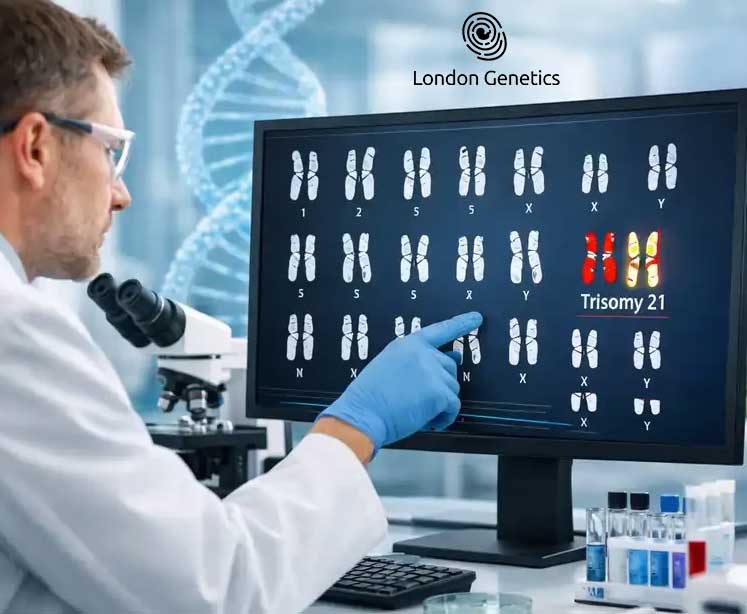
Chromosomal abnormalities can take several forms, each affecting the genome in unique ways. Trisomy occurs when there is an extra copy of a chromosome, as seen in Down syndrome (trisomy 21). Monosomy involves the absence of a chromosome, such as in Turner syndrome. Structural changes include deletions, where part of a chromosome is missing; duplications, where a section is repeated; inversions, where a segment flips within the chromosome; and translocations, where parts of chromosomes are rearranged between different chromosomes.
How These Abnormalities Impact the Genome
Each type of chromosomal abnormality can disrupt gene function and expression, leading to a range of physical, cognitive, and developmental challenges. For instance, deletions or translocations may cause congenital disorders or developmental delays that require specialised attention. This is where advances in Genomic Medicine in Paediatrics play a crucial role, allowing paediatricians and genetic specialists to diagnose, monitor, and manage these conditions effectively from an early age.
The Importance of Early Detection
Understanding the type of chromosomal abnormality is critical for accurate Developmental Disorders Genetic Diagnosis. Early identification through genomic testing enables timely interventions, personalised care plans, and better long-term outcomes for children affected by these genetic changes.
In summary, recognising the various types of chromosomal abnormalities and their genomic impacts is essential in paediatric care, particularly with the support of Genomic Medicine in Paediatrics, which provides tailored strategies to manage and support affected children.
Common Chromosomal Abnormalities in Humans
Several chromosomal abnormalities are well-documented, each with distinct genetic causes and health implications. Understanding these conditions allows for early diagnosis, better care planning, and personalised medical strategies.

Learn about key chromosomal conditions and their impact on health and development.

Down syndrome is caused by an extra chromosome 21 and can affect physical growth, cognitive development, and increase the risk of heart and thyroid issues.
Early diagnosis allows timely interventions, educational support, and personalised care planning.

Turner syndrome can lead to short stature, ovarian insufficiency, and heart or kidney complications.
Early detection allows clinicians to plan growth monitoring, supportive therapies, and personalised medical interventions.

Individuals with Klinefelter syndrome may experience reduced testosterone, delayed puberty, learning difficulties, and fertility challenges.
Genetic diagnosis enables early interventions, educational support, and personalised care plans to improve outcomes.

Advances in Developmental Disorders Genetic Diagnosis allow clinicians to identify chromosomal abnormalities prenatally or shortly after birth.
Recognising these conditions supports proactive healthcare, monitoring for complications, and personalised care strategies that enhance quality of life.
Key Takeaway:
Common chromosomal abnormalities, including Down syndrome, Turner syndrome, and Klinefelter syndrome, illustrate the importance of early diagnosis and personalised genomic medicine.
Timely interventions and tailored support improve health outcomes, development, and overall quality of life for affected individuals.
Detection and Diagnosis of Chromosomal Abnormalities
How Chromosomal Abnormalities Are Detected
Detecting chromosomal abnormalities is a crucial step in understanding and managing their effects on health. Several techniques are used to examine chromosomes for changes in number or structure. One traditional method is karyotyping, which visualises the entire set of chromosomes under a microscope to identify large-scale abnormalities such as trisomies or monosomies.
Another widely used technique is FISH (Fluorescence In Situ Hybridisation), which employs fluorescent probes to target specific chromosome regions. FISH allows clinicians to detect smaller structural changes, deletions, duplications, or translocations that may not be visible through standard karyotyping.
Modern Genomic Testing Methods
With advances in technology, modern genomic testing has greatly enhanced our ability to detect chromosomal abnormalities. Techniques like microarray analysis and next-generation sequencing provide detailed information about copy number variations and subtle genetic rearrangements. These methods are increasingly used in both prenatal and paediatric settings to identify conditions early, improve diagnosis accuracy, and guide management strategies.
Clinical Applications in Paediatrics
Early and accurate detection of chromosomal abnormalities is essential, especially in children. Using Developmental Disorders Genetic Diagnosis alongside these testing methods helps paediatricians anticipate health challenges and plan interventions. Furthermore, the integration of Genomic Medicine in Paediatrics allows clinicians to offer personalised care tailored to each child’s genetic profile, improving outcomes and quality of life.
In summary, a combination of traditional cytogenetic techniques and cutting-edge genomic testing provides a comprehensive approach to detecting and diagnosing chromosomal abnormalities, supporting early intervention, personalised care, and informed decision-making.
Impacts on Health and Development
Physical Health Implications
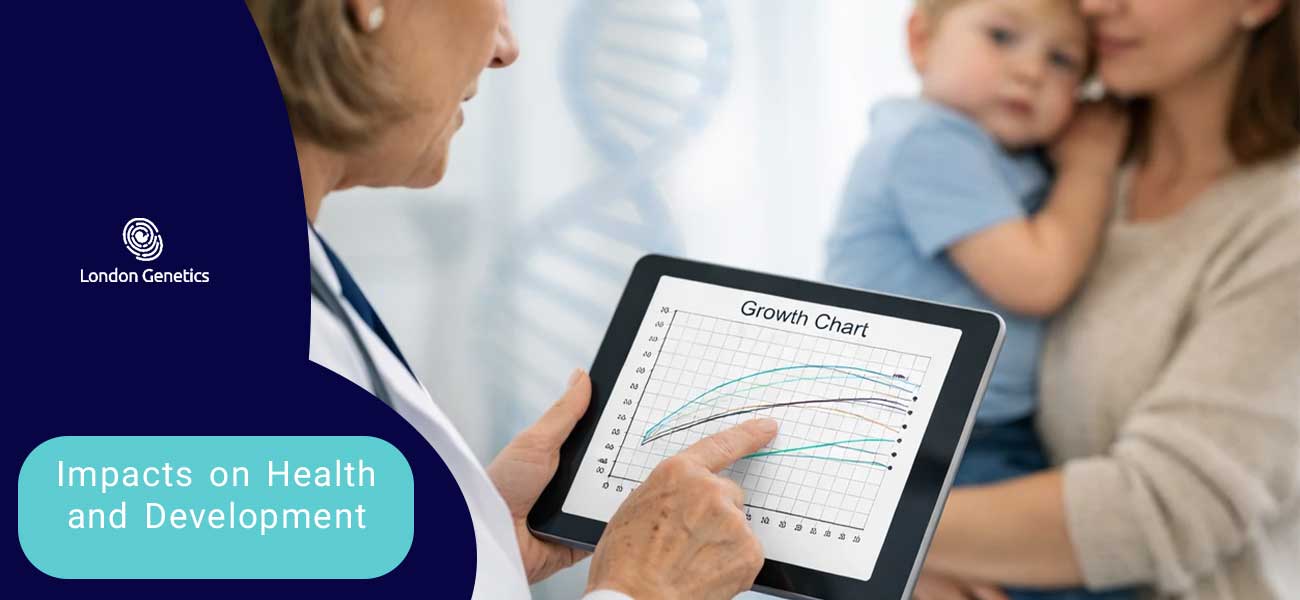
Chromosomal abnormalities can have significant effects on physical health. Depending on the type and location of the genetic change, individuals may experience growth delays, congenital malformations, heart defects, or other organ-related issues. For example, children with Down syndrome often face characteristic physical features and an increased risk of heart problems, illustrating how chromosome variations directly influence physical development.
Cognitive and Developmental Effects
Beyond physical health, chromosomal abnormalities frequently affect cognitive development. Conditions like Klinefelter syndrome or Turner syndrome may result in learning difficulties, delayed speech, or reduced executive functioning. Early identification through Developmental Disorders Genetic Diagnosis allows healthcare providers to implement supportive educational strategies and developmental therapies tailored to each child’s needs.
Reproductive Health Considerations
Certain chromosomal abnormalities impact reproductive health. Turner syndrome can cause ovarian insufficiency in females, while Klinefelter syndrome often leads to reduced fertility in males. Recognising these risks early helps guide counselling and fertility planning, ensuring informed decisions for the affected individuals and their families.
Role in Congenital Disorders
Many chromosomal abnormalities are also linked to congenital disorders. Structural changes, such as deletions or translocations, can disrupt key developmental genes, leading to a range of birth defects and medical complications. This underscores the importance of genetic screening and monitoring as part of Genomic Medicine in Paediatrics, which helps manage and mitigate these challenges from an early stage.
Conclusion
In summary, chromosomal abnormalities can influence multiple aspects of health—from physical and cognitive development to reproductive function—and play a central role in congenital disorders. With the support of Developmental Disorders Genetic Diagnosis and Genomic Medicine in Paediatrics, early detection and personalised interventions can significantly improve outcomes and quality of life for affected individuals.
Future Directions and Treatments for Chromosomal Abnormalities
Understanding the Role of Research and Genomic Medicine in Paediatrics
The study of chromosomal abnormalities is rapidly advancing, driven by breakthroughs in genetics and genomics. Researchers are investigating the molecular mechanisms behind chromosomal changes and how these variations contribute to developmental and health conditions. This research aims to enhance early detection, refine risk prediction, and expand our understanding of the genetic factors involved.
While many chromosomal abnormalities cannot be fully “cured,” modern medicine offers interventions that improve quality of life. Early therapies, supportive care, and personalised medical plans guided by Developmental Disorders Genetic Diagnosis help optimise growth, learning, and overall wellbeing for children with conditions such as Down syndrome or Turner syndrome.
The integration of Genomic Medicine in Paediatrics is transforming care. Through genomic testing, clinicians can provide precise, personalised recommendations for monitoring, treatment strategies, and long-term management. This proactive approach ensures children receive tailored support from an early age, rather than reactive treatment later.
Emerging technologies, including gene editing and advanced genomic therapies, hold promise for addressing specific genetic disruptions in the future. Although still experimental, these innovations may further enhance the management of chromosomal abnormalities and improve patient outcomes over time.
The Value of Early Intervention: Timely therapies and targeted care support optimal growth, learning, and overall wellbeing for affected children.
Looking Ahead: Continued scientific innovation promises to expand treatment options, refine personalised care strategies, and improve quality of life for individuals with chromosomal abnormalities.
Book Your Consultation with Dr Karimiani