British English Explanation
Chromosomal testing is a specialised genetic assessment used to examine the structure and number of chromosomes in both partners. These chromosomes carry the DNA instructions that guide development, fertility, and overall reproductive health. Even small chromosomal imbalances—often invisible in routine health checks—can interfere with natural conception, contribute to repeated miscarriages, or affect the success of assisted fertility treatments.
Understanding chromosomal health is particularly important in the context of IVF & Genetics, where identifying hidden chromosomal issues early on can help clinicians choose the most appropriate treatment pathway. By analysing how chromosomal changes influence fertility, couples gain clearer insight into the underlying causes of their difficulties and the options available to them.
This type of analysis sits at the heart of Reproductive Genetics, offering a more accurate picture of why pregnancy may not be occurring and how targeted interventions can improve the chances of a successful outcome.
How Chromosomal Abnormalities Affect Fertility in Men and Women
Chromosomes serve as the fundamental blueprint for life, and any deviation in their number or structure can significantly disrupt the reproductive process in both sexes. Understanding these genetic changes is essential for identifying fertility challenges and guiding appropriate reproductive treatments.
Chromosomal abnormalities can affect both male and female fertility by disrupting egg quality, sperm production, or embryo development. Detecting these genetic issues through chromosomal testing helps guide more effective fertility treatments and improves the chances of achieving a successful pregnancy.
Types of Chromosomal Testing Used Before IVF
Before beginning fertility treatment, doctors often recommend Chromosomal Testing to identify hidden genetic factors that may affect conception, embryo development, or pregnancy outcomes. These tests examine the structure and number of chromosomes in prospective parents and, in some cases, embryos created during treatment. Understanding these genetic details allows fertility specialists to select the most appropriate clinical approach and improve the chances of a successful pregnancy.
Different laboratory techniques are used depending on the couple’s medical history, previous miscarriages, or unexplained infertility. Below are some of the most commonly used chromosomal tests performed prior to or alongside IVF.
Karyotype Analysis
Karyotype analysis is one of the most traditional and widely used forms of chromosomal testing. It involves analysing a blood sample from both partners to examine the number and structure of their chromosomes under a microscope.
This test can detect structural rearrangements such as translocations, inversions, or missing chromosome segments. Some individuals carry balanced chromosomal rearrangements without any noticeable health problems, yet these variations can interfere with embryo development and increase the risk of miscarriage. Identifying such rearrangements helps clinicians determine whether specialised IVF techniques may be beneficial.
Chromosomal Microarray Analysis (CMA)
Chromosomal microarray analysis is a more advanced technique that can detect very small genetic imbalances that traditional karyotyping might miss. Using high‑resolution technology, CMA scans the genome for tiny duplications or deletions of chromosomal material.
These subtle changes can affect embryo viability and may contribute to infertility or repeated pregnancy loss. Because of its sensitivity, this method provides a more detailed overview of chromosomal health and is increasingly used in modern fertility clinics.
Preimplantation Genetic Testing for Aneuploidy (PGT‑A)
PGT‑A is performed during the IVF process to examine embryos before they are transferred to the uterus. A few cells are carefully removed from each embryo and analysed to determine whether the correct number of chromosomes is present.
Embryos with the normal chromosomal complement are more likely to implant successfully and develop into healthy pregnancies. As a result, PGT‑A can reduce the risk of miscarriage and improve overall IVF success rates, particularly for couples with a history of recurrent pregnancy loss or advanced maternal age.
Fluorescence In Situ Hybridisation (FISH)
Fluorescence in situ hybridisation is a targeted testing method used to detect specific chromosomal abnormalities. The technique uses fluorescent probes that attach to particular chromosome regions, allowing scientists to visualise genetic changes under specialised microscopes.
Although newer technologies now provide broader genomic coverage, FISH is still valuable when clinicians need to investigate known chromosomal rearrangements or confirm particular genetic findings.
Why These Tests Matter Before IVF
Selecting the appropriate type of chromosomal testing before IVF helps clinicians better understand the genetic factors influencing fertility. By identifying chromosomal abnormalities early, couples can receive personalised guidance on treatment options, embryo selection, and reproductive planning, ultimately increasing the likelihood of a healthy and successful pregnancy.
When Should Couples Consider Chromosomal Testing Before Starting IVF?
Knowing when to pursue Chromosomal Testing can make a meaningful difference in a couple’s fertility journey. While IVF helps overcome many reproductive challenges, underlying chromosomal issues can still affect egg quality, sperm development, embryo formation, and ultimately the success of treatment. For this reason, chromosomal analysis is often recommended before IVF begins—especially when certain clinical or reproductive risk factors are present.

Situations in which chromosomal testing becomes particularly important before IVF treatment.

Clinical Situation: Couples who have experienced two or more miscarriages, or those who have undergone several unsuccessful IVF cycles.
Why Testing Matters: Recurrent loss is often linked to hidden chromosomal imbalances in one of the partners, which can prevent embryos from developing normally. Identifying these issues early helps fertility specialists tailor treatment and improve the chances of achieving a stable pregnancy.

Clinical Situation: Standard fertility investigations show no abnormalities, yet pregnancy does not happen.
Why Testing Matters: Small chromosomal rearrangements or subtle genetic differences can interfere with embryo formation. Chromosomal analysis provides a deeper genetic evaluation and can uncover hidden causes of infertility that routine tests may miss.

Clinical Situation: Women aged 35 and above preparing for IVF treatment.
Why Testing Matters: As maternal age increases, the likelihood of eggs with chromosomal abnormalities (aneuploidies) rises significantly. Testing helps clinicians evaluate reproductive risks and plan appropriate strategies to improve IVF success and reduce miscarriage risk.

Clinical Situation: Male fertility tests reveal significant sperm abnormalities.
Why Testing Matters: Certain sperm defects are associated with underlying chromosomal conditions such as Y‑chromosome microdeletions or structural rearrangements. Chromosomal testing helps determine whether genetic factors are contributing to male infertility and guides the use of specialised IVF techniques if necessary.
Clinical Situation: Couples with a known family history of genetic disorders or chromosomal rearrangements.
Why Testing Matters: Pre‑IVF chromosomal evaluation helps clinicians assess reproductive risks and determine whether specialised genetic approaches may be required to support safe and successful conception.

Clinical Situation: A previous child or pregnancy affected by conditions such as Down syndrome or Turner syndrome.
Why Testing Matters: Chromosomal testing helps determine whether the abnormality occurred randomly or is linked to inherited genetic factors, allowing clinicians to better plan future pregnancies and fertility treatments.
Key Takeaway:
Undertaking chromosomal testing before starting IVF provides valuable insight into hidden genetic factors that may affect fertility. Early evaluation helps fertility specialists design personalised treatment strategies, reduce unnecessary IVF cycles, and improve the likelihood of achieving a healthy and successful pregnancy.
Chromosomal Testing vs. PGT/PGT‑A: What’s the Difference in IVF?
When exploring fertility treatment, many couples encounter two closely related genetic evaluations: Chromosomal Testing and PGT/PGT‑A. Although both involve analysing chromosomes and genetic material, they serve different purposes and are performed at different stages of the reproductive process. Understanding the distinction helps patients make more informed decisions during IVF treatment.
Chromosomal Testing for Parents
Chromosomal testing is typically carried out before IVF begins and focuses on analysing the chromosomes of the prospective parents. A blood sample from each partner is examined to identify structural or numerical chromosomal abnormalities that might affect fertility or embryo development.
This type of testing can detect issues such as balanced translocations, inversions, or missing chromosome segments. Many individuals who carry these variations appear perfectly healthy but may experience infertility, recurrent miscarriage, or repeated IVF failure. Identifying such genetic factors early allows fertility specialists to design a more personalised treatment plan.
PGT and PGT‑A for Embryos
PGT (Preimplantation Genetic Testing) is performed during the IVF process and focuses on the embryos rather than the parents. After fertilisation in the laboratory, a few cells are carefully removed from each developing embryo and genetically analysed before implantation.
One of the most commonly used forms is PGT‑A (Preimplantation Genetic Testing for Aneuploidy), which checks whether embryos have the correct number of chromosomes. Embryos with abnormal chromosome numbers are less likely to implant successfully and are more often associated with miscarriage.
By identifying embryos with a normal chromosomal profile, clinicians can select those with the highest likelihood of resulting in a healthy pregnancy.
Key Differences Between the Two Tests
The main distinction lies in what is being tested and when the testing occurs. Chromosomal testing examines the genetic structure of the parents to uncover underlying causes of infertility, while PGT/PGT‑A evaluates embryos created during IVF to determine which ones are genetically suitable for transfer.
Together, these approaches provide a comprehensive view of reproductive genetics. Chromosomal testing helps identify potential genetic barriers before treatment begins, while PGT‑A helps ensure that the embryos selected for transfer have the best possible chance of developing into a successful pregnancy.
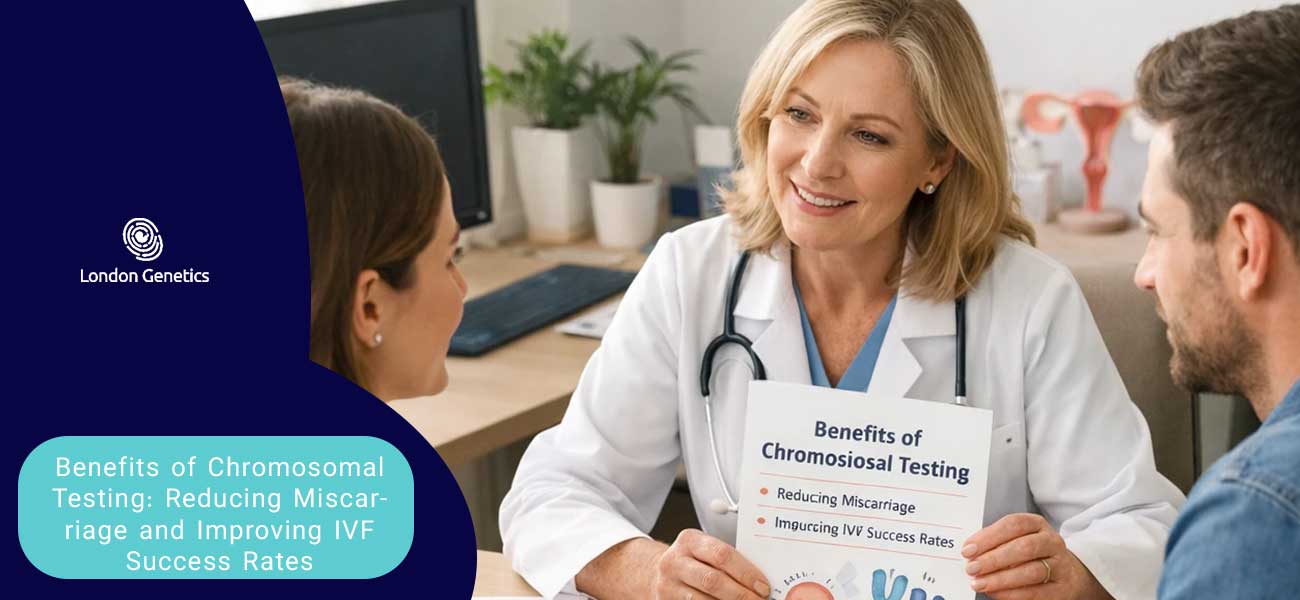
Benefits of Chromosomal Testing: Reducing Miscarriage and Improving IVF Success Rates
Chromosomal Testing plays a crucial role in modern fertility care by offering deep insight into the genetic factors that influence conception, embryo quality, and pregnancy outcomes. Through careful analysis of chromosomes, couples and fertility specialists can uncover issues that might otherwise go undetected, helping guide more effective and personalised IVF treatment plans. The benefits go far beyond simple diagnosis — they directly impact success rates, emotional wellbeing, and long‑term family planning.
Reducing the Risk of Miscarriage
A significant proportion of miscarriages, particularly those that occur in the first trimester, are caused by chromosomal abnormalities in the embryo. When chromosomes are missing, extra, or structurally unbalanced, early development is often disrupted, leading to pregnancy loss.
By identifying these abnormalities in advance through chromosomal testing, couples can make informed decisions about their reproductive journey. If a chromosomal rearrangement is detected in one partner, clinicians can advise on the most suitable IVF strategy — including the use of Preimplantation Genetic Testing (PGT‑A) to select embryos with a normal chromosomal complement. This proactive approach reduces the likelihood of miscarriage and increases the chance of carrying a healthy pregnancy to term.
Improving IVF Success Rates
Every IVF cycle represents a major time, emotional, and financial investment. When chromosomal irregularities are unknown, these efforts can end in disappointment despite the use of advanced reproductive technology. Chromosomal testing helps improve IVF outcomes by ensuring that underlying genetic imbalances are identified and appropriately managed before treatment begins.
For couples with a history of repeated IVF failure, chromosomal analysis can reveal hidden translocations or subtle rearrangements that interfere with embryo development. With this knowledge, specialists can apply tailored protocols—such as selecting healthy embryos through PGT‑A or recommending donor gametes in severe cases. Each step improves the likelihood of successful implantation and reduces the number of unsuccessful cycles.
Supporting Reproductive Genetics and Long‑Term Planning
By integrating chromosomal testing into fertility care, couples gain access to clearer, science‑based insights into their reproductive health. This is a pivotal part of Reproductive Genetics, where genetic understanding guides safer conception, healthier embryos, and more predictable outcomes. The process helps couples move forward with confidence, knowing their path to parenthood is grounded in precise, evidence‑driven genetic analysis.
Conclusion: How Chromosomal Testing Helps Identify Hidden Genetic Barriers to Pregnancy
Understanding Hidden Genetic Factors in Fertility and IVF Success
In many cases of infertility, the underlying cause may remain hidden despite routine medical examinations. This is where Chromosomal Testing provides valuable insight. By analysing the number and structure of chromosomes in prospective parents—or in embryos during IVF—clinicians can uncover subtle genetic variations that may interfere with conception, embryo development, or the ability to sustain a healthy pregnancy.
For couples facing recurrent miscarriage, unexplained infertility, or repeated IVF failure, chromosomal analysis offers a clearer understanding of the biological factors involved. Identifying these hidden genetic barriers allows fertility specialists to recommend more precise treatment strategies, whether through personalised IVF protocols, embryo screening, or specialised reproductive guidance.
As advances in IVF & Genetics continue to transform fertility care, chromosomal testing has become an essential tool for improving reproductive outcomes. By integrating genetic insights into treatment planning, clinicians can reduce uncertainty, minimise unsuccessful cycles, and increase the likelihood of achieving a healthy pregnancy. Ultimately, this approach represents a key development in Reproductive Genetics, helping couples move forward with greater confidence and a clearer path towards parenthood.
Why This Matters:
Chromosomal testing reveals hidden genetic factors that may prevent successful conception or healthy embryo development, providing couples with clearer answers during their fertility journey.
The Value of Genetic Insight in IVF:
By identifying chromosomal abnormalities before or during IVF treatment, clinicians can personalise treatment strategies, improve embryo selection, and increase the chances of a successful pregnancy.
Looking Ahead:
As reproductive genetics continues to evolve, chromosomal testing will remain a vital tool for improving fertility outcomes and supporting couples in achieving safe and healthy parenthood.