Introduction to Chromosome Quality and Ageing
Defining Chromosome Quality
Chromosome Quality refers to the structural integrity, functional stability, and accurate segregation of chromosomes during cell division. High Chromosome Quality ensures that genetic information is faithfully maintained and transmitted from one cell generation to the next.
Key components of Chromosome Quality include:
- Structural integrity – absence of breaks, rearrangements, or deletions
- Accurate replication – precise duplication of DNA during the cell cycle
- Proper segregation – correct distribution of chromosomes during mitosis and meiosis
- Stable chromatin organisation – appropriate packaging and regulation of genetic material
When Chromosome Quality is preserved, cells maintain genomic stability and normal physiological function.
The Importance of Genomic Stability
Genomic stability is central to cellular health and organismal longevity. Stable chromosomes allow:
- Controlled cell proliferation
- Accurate gene expression
- Effective DNA repair responses
- Prevention of malignant transformation
Decline in Chromosome Quality compromises these processes, increasing the likelihood of mutations, chromosomal instability, and disease development.
The Link Between Ageing and Chromosome Quality
Ageing is associated with a gradual deterioration in Chromosome Quality due to cumulative biological stress and reduced repair capacity. Over time, cells experience:
- Accumulation of DNA damage
- Telomere shortening
- Reduced efficiency of DNA repair mechanisms
- Increased oxidative stress
These changes contribute to chromosomal instability, which is recognised as a hallmark of ageing.
The impact becomes particularly evident in the context of reproduction. In women, age‑related decline in Chromosome Quality within oocytes is strongly associated with Advanced Maternal Age Genetic Risks, including increased rates of aneuploidy and chromosomal abnormalities.
From the perspective of Reproductive Genetics, understanding how ageing influences Chromosome Quality is essential for improving genetic counselling, fertility assessment, and assisted reproductive technologies.
Biological Significance
The progressive alteration of Chromosome Quality with age has broad implications:
- Increased susceptibility to age‑related diseases
- Reduced reproductive efficiency
- Higher incidence of chromosomal disorders
- Enhanced genomic instability in somatic tissues
Thus, investigating the relationship between ageing and Chromosome Quality provides critical insight into both fundamental biology and clinical genetics.
Molecular Mechanisms of Age‑Related Chromosomal Deterioration
Chromosome Quality gradually declines with age due to several interconnected molecular processes that affect DNA integrity and chromosomal stability. Over time, cellular protective systems become less efficient, allowing genetic damage to accumulate and increasing the risk of mutations and structural chromosome abnormalities.
Age‑related chromosomal deterioration results from the combined effects of accumulated DNA damage, declining repair capacity, telomere erosion, and oxidative stress. Together, these processes contribute to genomic instability, a hallmark of biological ageing and many age‑associated diseases.
Telomere Shortening and Chromosomal Instability
The Role of Telomeres in Chromosome Protection
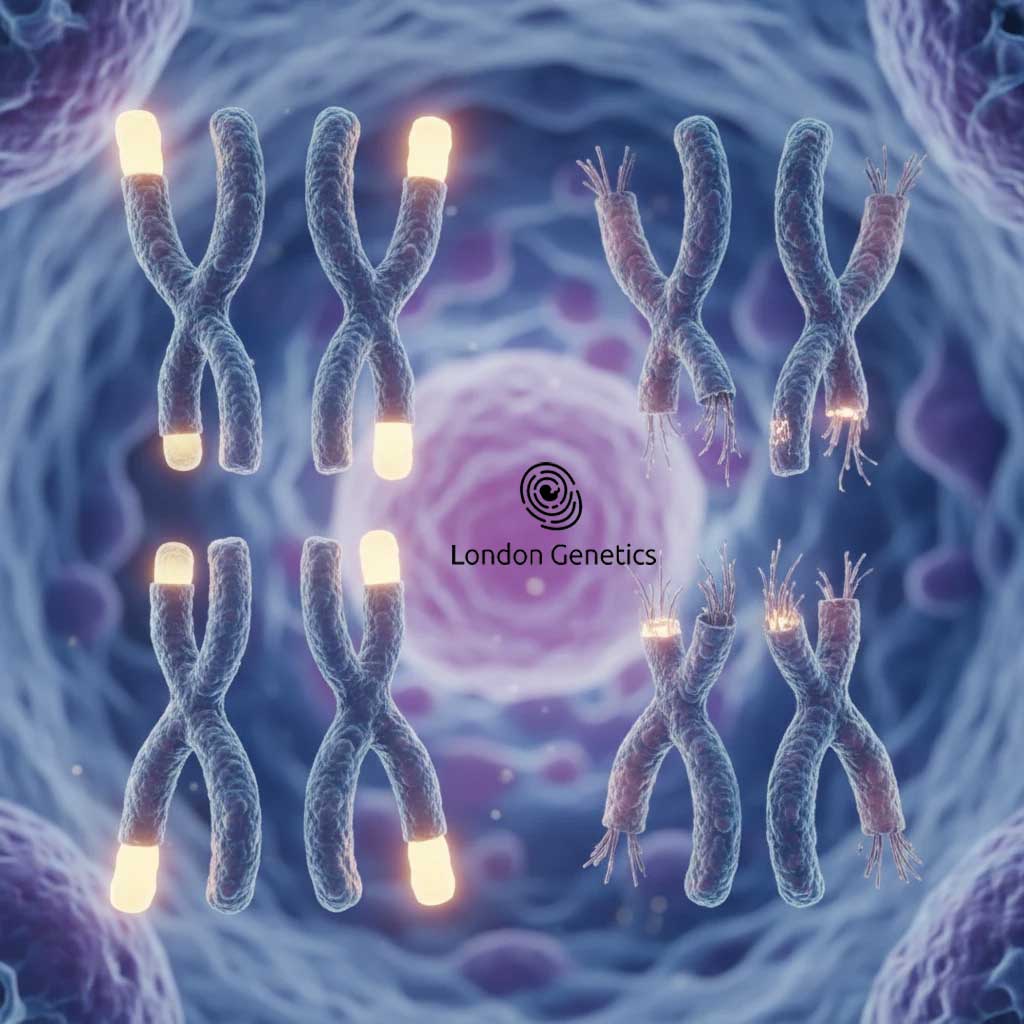
Telomeres are specialised DNA–protein structures located at the ends of chromosomes. They consist of repetitive nucleotide sequences and associated protective proteins that safeguard chromosome ends from degradation and inappropriate repair activities. By acting as protective caps, telomeres help preserve overall Chromosome Quality and maintain genomic stability.
The primary functions of telomeres include:
- Preventing chromosome ends from being recognised as DNA breaks
- Protecting chromosomes from degradation or fusion with neighbouring chromosomes
- Supporting accurate DNA replication during cell division
Through these protective roles, telomeres are essential for maintaining chromosomal integrity and preventing structural abnormalities.
Telomere Dynamics During Cell Division
Each time a cell divides, the DNA replication process cannot fully copy the extreme ends of chromosomes. As a result, telomeres gradually shorten with every round of cell division. This progressive reduction in telomere length is a natural aspect of cellular ageing.
Over time:
- Telomeres become progressively shorter
- Chromosome ends lose protective capacity
- Cellular senescence or apoptosis may be triggered
This gradual erosion represents one of the most recognised molecular markers of biological ageing.
Age‑Related Telomere Shortening
With increasing age, the cumulative effect of repeated cell divisions and environmental stress leads to significant telomere shortening. As telomeres become critically short, their ability to maintain Chromosome Quality declines.
Shortened telomeres may result in:
- Chromosomal end‑to‑end fusion
- DNA damage responses
- Increased mutation rates
- Disruption of normal chromosomal segregation
These alterations contribute to chromosomal instability, a key feature associated with ageing cells.
Telomeres and Chromosomal Instability
When telomeres can no longer adequately protect chromosome ends, the cell may mistakenly treat these ends as damaged DNA. This can lead to inappropriate repair processes that join chromosomes together or create structural rearrangements.
Such events may produce:
- Chromosomal translocations
- Deletions or duplications of genetic material
- Aneuploidy resulting from abnormal chromosome segregation
These changes significantly compromise Chromosome Quality and increase the risk of cellular dysfunction and disease.
Biological and Clinical Implications
Telomere shortening plays a crucial role in the relationship between ageing and genomic instability. In the context of Reproductive Genetics, telomere integrity is particularly important for maintaining the genetic stability of germ cells.
Age‑related telomere erosion in reproductive cells has been associated with:
- Reduced fertility
- Increased chromosomal abnormalities in gametes
- Higher risk of genetic disorders in offspring
For this reason, telomere biology remains a major focus of research in ageing, genomic stability, and clinical genetics.
Cohesion Loss and Meiotic Errors in Ageing Oocytes
Ageing significantly impacts chromosomal cohesion in human oocytes, weakening the protein complexes that maintain sister chromatid attachment and contributing to meiotic errors. These changes play a central role in rising aneuploidy rates, reduced fertility, and increased reproductive risks associated with advanced maternal age.

Key mechanisms linking cohesion decline to meiotic errors and age‑related aneuploidy.


Key Takeaway:
Cohesion decline in ageing oocytes is a major driver of meiotic errors and aneuploidy, influencing fertility, pregnancy outcomes, and genetic risks associated with maternal age.
Age‑Associated Aneuploidy and Reproductive Outcomes
Understanding Aneuploidy
Aneuploidy refers to the presence of an abnormal number of chromosomes within a cell. In humans, a typical cell contains 46 chromosomes arranged in 23 pairs. When errors occur during cell division—particularly during meiosis in reproductive cells—extra or missing chromosomes may result.
Such abnormalities significantly compromise Chromosome Quality and are one of the most common causes of reproductive complications and genetic disorders.
The Influence of Maternal Age
Maternal age is one of the strongest factors influencing the risk of chromosomal abnormalities in embryos. As women age, several biological changes occur within oocytes that increase the likelihood of meiotic errors and chromosomal missegregation.
Key age‑related factors include:
- Loss of chromosomal cohesion in oocytes
- Decline in spindle assembly accuracy
- Accumulation of DNA damage
- Reduced efficiency of cellular repair mechanisms
These changes collectively reduce Chromosome Quality, leading to a higher probability of aneuploid gametes.
Common Chromosomal Disorders Linked to Aneuploidy
Age‑associated aneuploidy is responsible for several well‑known chromosomal conditions, including:
- Trisomy 21 (Down syndrome)
- Trisomy 18 (Edwards syndrome)
- Trisomy 13 (Patau syndrome)
- Monosomy X (Turner syndrome)
The likelihood of these conditions increases with maternal age, particularly after the age of 35. This relationship is a central focus of Advanced Maternal Age Genetic Risks in clinical genetics.
Effects on Fertility and Pregnancy Outcomes
Aneuploidy does not only lead to genetic disorders; it also plays a major role in broader reproductive outcomes. Many embryos with chromosomal abnormalities are unable to develop normally.
Possible reproductive consequences include:
- Reduced fertility
- Implantation failure during early pregnancy
- Increased risk of miscarriage
- Development of congenital abnormalities in surviving pregnancies
Because many aneuploid embryos fail to progress beyond early developmental stages, chromosomal abnormalities represent a major biological barrier to successful reproduction.
Relevance in Reproductive Genetics
Within the field of Reproductive Genetics, understanding age‑associated aneuploidy is essential for improving fertility care and genetic risk assessment. Modern diagnostic technologies help detect chromosomal abnormalities before or during pregnancy.
Examples include:
- Preimplantation Genetic Testing (PGT) in assisted reproduction
- Non‑invasive prenatal testing (NIPT)
- Chorionic villus sampling (CVS)
- Amniocentesis
These tools allow clinicians to evaluate Chromosome Quality in embryos or foetal cells and provide more accurate genetic counselling for prospective parents.
Clinical Significance
The strong relationship between maternal age, aneuploidy, and reproductive outcomes highlights the importance of early risk assessment and informed reproductive planning. As maternal age increases, monitoring Chromosome Quality and identifying chromosomal abnormalities become essential components of modern reproductive medicine.
Chromosomal Instability and Age‑Related Diseases
Understanding Chromosomal Instability
Chromosomal Instability (CIN) refers to an increased tendency of chromosomes to undergo structural alterations or abnormal segregation during cell division. This instability leads to changes in chromosome number or structure, significantly compromising overall Chromosome Quality.
As individuals age, the cellular systems responsible for maintaining genomic stability gradually become less efficient. This decline increases the likelihood of chromosomal abnormalities that can contribute to a wide range of age‑related diseases.
Mechanisms Contributing to Chromosomal Instability
Several biological processes associated with ageing contribute to the development of chromosomal instability, including:
- Accumulation of DNA damage
- Impaired DNA repair pathways
- Telomere shortening
- Oxidative stress
- Errors in chromosome segregation during cell division
These mechanisms collectively weaken genomic maintenance systems and increase the probability of chromosomal alterations.
Chromosomal Instability and Cancer
One of the most significant consequences of reduced Chromosome Quality is the increased risk of cancer. Chromosomal instability can lead to mutations or structural rearrangements that affect genes involved in cell growth, DNA repair, and tumour suppression.
Common chromosomal changes observed in cancer include:
- Gene amplifications
- Chromosomal deletions
- Translocations
- Aneuploidy
These alterations may activate oncogenes or inactivate tumour suppressor genes, allowing uncontrolled cell proliferation and tumour development.
Genetic Syndromes Associated with Chromosomal Instability
Certain genetic conditions are linked to increased chromosomal instability. These disorders often involve defects in DNA repair or chromosome maintenance systems.
Examples include:
- Bloom syndrome
- Fanconi anaemia
- Ataxia‑telangiectasia
Individuals with these conditions exhibit impaired genomic stability and have a significantly higher risk of cancer and other health complications.
Chromosomal Instability in Degenerative Disorders
Age‑related chromosomal instability has also been associated with degenerative diseases that affect tissues and organ systems over time. Genomic instability may disrupt normal cellular function, contributing to progressive tissue damage.
Research suggests potential links between chromosomal instability and:
- Neurodegenerative disorders
- Age‑related tissue degeneration
- Cellular senescence and functional decline
Although these relationships are still being actively investigated, the deterioration of Chromosome Quality is increasingly recognised as an important factor in the biology of ageing.
Clinical and Research Implications
Understanding the relationship between chromosomal instability and disease is essential in modern biomedical research. Monitoring Chromosome Quality can help researchers and clinicians better understand disease mechanisms, identify genetic risk factors, and develop targeted therapeutic strategies.
In both clinical genetics and ageing research, studying chromosomal instability provides valuable insights into how genomic integrity influences long‑term health and disease susceptibility.
Conclusion: Ageing and the Decline of Chromosome Quality
Ageing profoundly affects Chromosome Quality, influencing genomic stability, reproductive outcomes, and susceptibility to disease. Over time, interconnected mechanisms—including DNA damage accumulation, impaired repair pathways, telomere shortening, oxidative stress, and cohesion loss—gradually weaken the systems responsible for preserving chromosomal integrity.
In reproductive cells, particularly oocytes, these age‑related changes significantly increase meiotic errors and aneuploidy, forming the biological basis of many Advanced Maternal Age Genetic Risks. Beyond reproduction, progressive chromosomal instability contributes to cancer, degenerative disorders, and other age‑associated conditions.
Molecular Drivers of Chromosomal Ageing:
Cumulative DNA damage, declining repair efficiency, telomere erosion, oxidative stress, and cohesion deterioration interact to reduce genomic stability over time.
Impact on Reproductive Genetics:
Reduced Chromosome Quality in ageing oocytes increases the risk of aneuploidy, lowers fertility rates, raises miscarriage risk, and elevates the likelihood of chromosomal abnormalities in offspring.
Broader Health Implications:
Age‑related chromosomal instability is a contributing factor in cancer development, genetic syndromes, and degenerative diseases linked to genomic dysfunction.
Clinical Relevance and Genetic Counselling:
Understanding these mechanisms supports accurate fertility assessment, personalised reproductive planning, and informed genetic counselling for individuals of advanced maternal age.
Future Directions in Genomic Medicine:
Ongoing research into ageing‑related genomic instability may guide the development of preventive strategies and targeted therapies aimed at preserving chromosomal integrity across the lifespan.