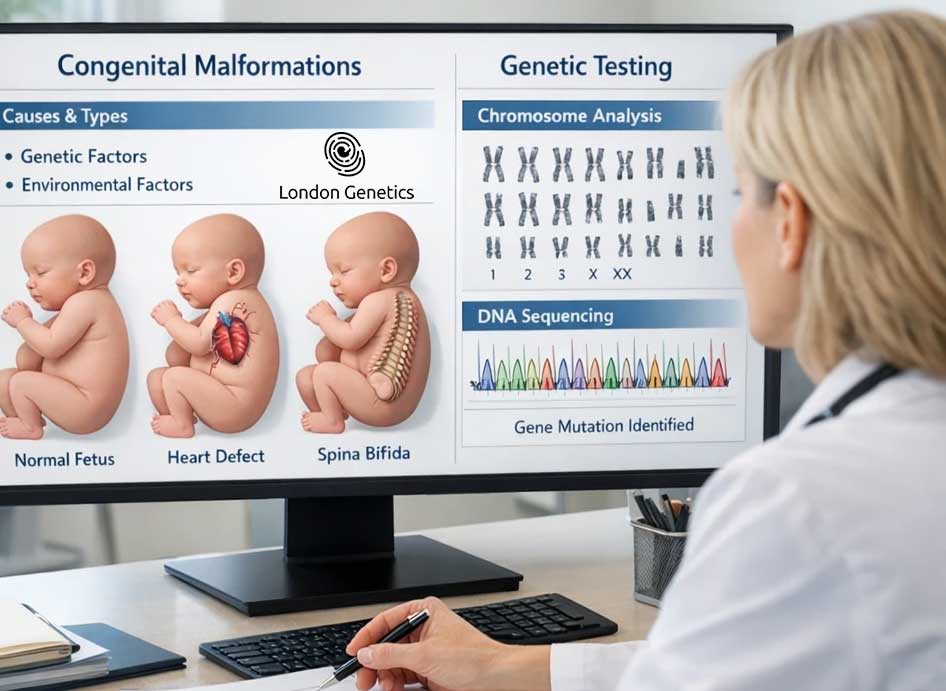
What Are Congenital Malformations?
Congenital Malformations refer to structural or functional abnormalities that are present at birth and develop during fetal growth in the womb. These conditions can affect almost any part of the body, including the heart, brain, limbs, or internal organs. Some congenital malformations are visible at birth, while others may only become apparent later in childhood as the body grows and develops.
Congenital malformations arise when normal development during pregnancy is disrupted. This disruption can occur due to genetic changes, environmental influences, maternal health conditions, or a combination of these factors. In many cases, the exact cause may not be fully understood, but advances in medical research continue to improve our knowledge of how these conditions develop.
The severity of Congenital Malformations can vary widely. Some malformations are mild and may not significantly affect a child’s health, while others can lead to serious medical complications that require long‑term treatment or surgical intervention. Early diagnosis and appropriate medical care are therefore important for improving outcomes and supporting healthy development.
Certain congenital malformations are associated with Paediatric Rare Disorders, where uncommon genetic or developmental conditions can lead to complex structural abnormalities. Identifying these conditions often requires specialised medical evaluation and multidisciplinary care.
In recent years, progress in Genomic Medicine in Paediatrics has greatly improved the understanding and diagnosis of congenital conditions. Genetic testing and genomic analysis can help clinicians identify underlying mutations or chromosomal abnormalities that contribute to congenital malformations, enabling more accurate diagnosis and more personalised care for affected children.
Common Types of Congenital Malformations
Congenital Malformations can affect different parts of the body and vary widely in severity. Some conditions are relatively mild and may require little medical intervention, while others can significantly impact a child’s health and development. Understanding the common types of congenital malformations helps clinicians diagnose these conditions early and plan appropriate medical care.
Although these are among the most commonly recognised categories, congenital malformations can affect many organs and systems. Early detection through prenatal screening, ultrasound imaging, and genetic testing is essential for identifying these conditions and planning appropriate medical care.
Causes and Risk Factors of Congenital Malformations
Factors That Can Influence Fetal Development
The development of a baby in the womb is a highly complex biological process. Congenital Malformations may occur when normal fetal development is disrupted during pregnancy. These disruptions can arise from genetic abnormalities, environmental exposures, maternal health conditions, or a combination of several factors. In some cases, however, the exact cause may remain unknown.
Understanding the causes and risk factors of Congenital Malformations helps healthcare professionals identify high‑risk pregnancies and implement appropriate preventive or diagnostic measures.
• Genetic Mutations
Changes or mutations in specific genes can interfere with normal embryonic development. These mutations may be inherited from one or both parents or occur spontaneously during early fetal growth.
• Chromosomal Abnormalities
Abnormalities in the number or structure of chromosomes can lead to congenital malformations. Conditions such as Down syndrome, Edwards syndrome, and Turner syndrome are associated with chromosomal changes that may affect multiple organs and body systems.
• Maternal Infections During Pregnancy
Certain infections during pregnancy—such as rubella, cytomegalovirus (CMV), toxoplasmosis, and Zika virus—can increase the risk of congenital malformations by interfering with fetal development.
• Exposure to Harmful Substances
Exposure to alcohol, tobacco, certain medications, or toxic chemicals during pregnancy can affect fetal growth and increase the likelihood of structural abnormalities.
• Maternal Health Conditions
Chronic health conditions in the mother, such as diabetes, obesity, or uncontrolled thyroid disorders, may increase the risk of developmental abnormalities in the fetus.
• Nutritional Deficiencies
A lack of essential nutrients during pregnancy can also contribute to congenital malformations. For example, insufficient folic acid intake has been strongly associated with neural tube defects.
• Advanced Parental Age
Advanced maternal age, and in some cases paternal age, may increase the risk of chromosomal abnormalities that can lead to congenital malformations.
Although these risk factors are known to contribute to Congenital Malformations, it is important to note that many babies with these conditions are born to parents with no identifiable risk factors. Advances in prenatal care, genetic screening, and maternal health management continue to play a key role in reducing the risk and improving early detection.
Genetic Factors and Chromosomal Abnormalities in Congenital Malformations
Genetic factors play a fundamental role in fetal development. When genetic instructions are altered—whether through gene mutations or chromosomal abnormalities—normal embryonic growth may be disrupted, leading to structural or functional congenital malformations.

Key genetic contributors to congenital malformations.


Key Takeaway:
Genetic and chromosomal abnormalities are major contributors to congenital malformations. Advances in genomic testing now allow earlier, more accurate detection—supporting better diagnosis, counselling, and clinical care.
Prenatal Diagnosis and Screening for Congenital Malformations
Detecting Congenital Malformations During Pregnancy
Early detection plays an important role in the management of Congenital Malformations. Prenatal screening and diagnostic tests allow healthcare providers to evaluate fetal development during pregnancy and identify structural or genetic abnormalities before birth. These methods help clinicians monitor high‑risk pregnancies, guide medical decision‑making, and prepare families for appropriate care after delivery.
Advances in prenatal medicine and Genomic Medicine in Paediatrics have significantly improved the accuracy and availability of tests used to detect congenital conditions.
Ultrasound Imaging
Ultrasound is one of the most widely used tools for identifying Congenital Malformations during pregnancy. Routine prenatal ultrasound examinations allow doctors to examine the structure of the fetus and detect abnormalities affecting organs such as the heart, brain, spine, or limbs.
Detailed anomaly scans, typically performed in the second trimester, can identify many structural malformations, including neural tube defects, congenital heart defects, and craniofacial abnormalities.
Non‑Invasive Prenatal Testing (NIPT)
Non‑invasive prenatal testing analyses small fragments of fetal DNA circulating in the mother’s blood. This screening test can assess the risk of certain chromosomal abnormalities, such as Down syndrome (Trisomy 21), Edwards syndrome (Trisomy 18), and Patau syndrome (Trisomy 13).
Although NIPT is highly accurate for screening purposes, positive results usually require confirmation through diagnostic testing.
Diagnostic Genetic Tests
When screening results indicate a possible abnormality, more definitive diagnostic tests may be recommended.
• Amniocentesis – A procedure in which a small sample of amniotic fluid is collected to analyse fetal chromosomes and genetic material.
• Chorionic Villus Sampling (CVS) – A test that involves taking a small sample of placental tissue to examine fetal chromosomes and detect genetic disorders early in pregnancy.
These procedures provide more precise genetic information but are typically recommended only when there is an increased risk of abnormalities.
Genetic Counselling
Genetic counselling is often recommended for families with an increased risk of Congenital Malformations. Genetic counsellors help parents understand screening results, evaluate potential risks, and discuss available testing options.
With the continued development of prenatal screening technologies, early identification of congenital conditions has become more accurate and accessible, allowing healthcare providers to plan appropriate medical care and support for affected infants and their families.
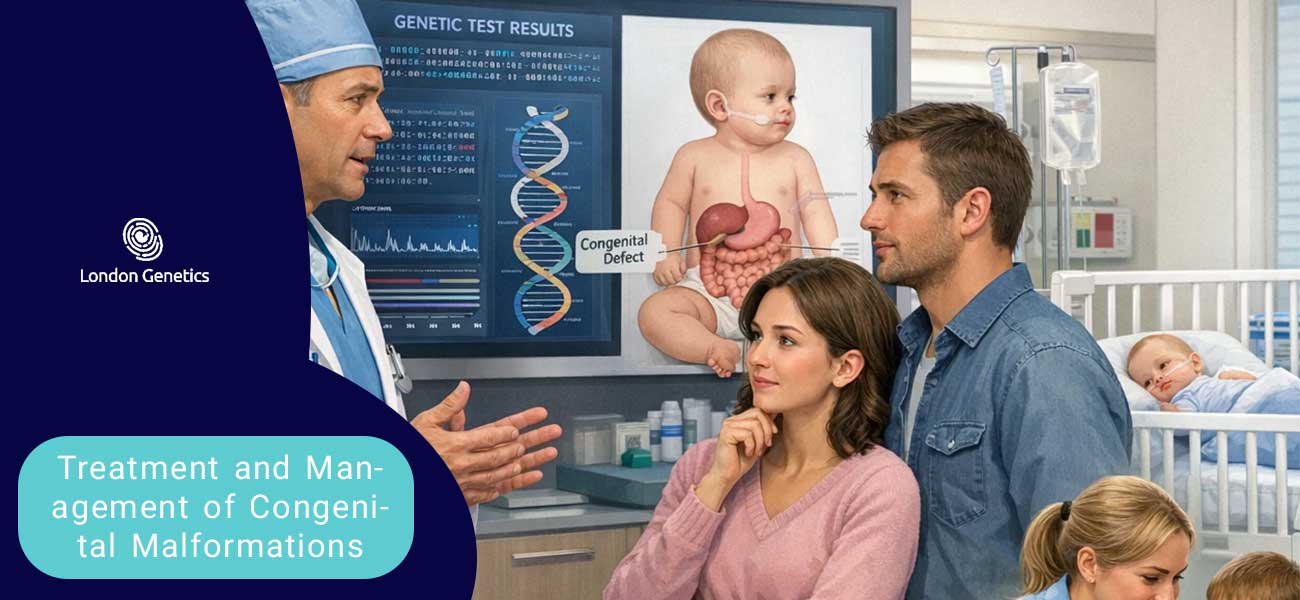
Treatment and Management of Congenital Malformations
Medical Care and Long‑Term Management
The treatment and management of Congenital Malformations depend on the type, severity, and the organs involved. Some conditions may require immediate medical intervention after birth, while others can be managed with long‑term medical care, rehabilitation, or supportive therapies. Early diagnosis and a multidisciplinary approach are essential for improving health outcomes and quality of life for affected children.
Advances in paediatric medicine, surgery, and Genomic Medicine in Paediatrics have significantly expanded the treatment options available for many congenital conditions.
Surgical Interventions
Many Congenital Malformations can be corrected or improved through surgery. In some cases, surgical procedures may be performed shortly after birth to address life‑threatening structural abnormalities.
Examples include:
• Congenital heart surgery to repair structural defects in the heart.
• Cleft lip and cleft palate repair to improve feeding, speech, and facial development.
• Corrective surgeries for gastrointestinal malformations such as intestinal blockages or oesophageal atresia.
In certain specialised centres, some conditions can even be treated through fetal surgery, which is performed while the baby is still in the womb.
Medical Treatments and Supportive Care
Not all congenital malformations require surgery. Some conditions are managed through medications, specialised therapies, or supportive medical care.
Treatment options may include:
• Medications to manage symptoms or improve organ function.
• Physical therapy and rehabilitation for children with musculoskeletal abnormalities.
• Nutritional support for infants with feeding difficulties.
• Ongoing monitoring and medical follow‑up for chronic conditions.
Multidisciplinary Care
Children with complex Congenital Malformations often require care from a team of healthcare professionals. This multidisciplinary approach may involve paediatricians, surgeons, genetic specialists, cardiologists, neurologists, and rehabilitation therapists working together to create a personalised care plan.
This coordinated care model is particularly important for children with conditions associated with Paediatric Rare Disorders, where specialised expertise and long‑term monitoring are often necessary.
Long‑Term Support and Family Care
Beyond medical treatment, many families benefit from long‑term support services such as developmental therapy, educational support, and psychological counselling. Early intervention programmes can help children with congenital conditions reach their full developmental potential.
With ongoing advances in medical research, surgical techniques, and genomic medicine, the outlook for many individuals born with Congenital Malformations continues to improve, allowing more children to lead healthier and more fulfilling lives.
Conclusion and Counselling for Families
Receiving a diagnosis of Congenital Malformations can be overwhelming for families. Alongside medical treatment, counselling and emotional support are essential in helping parents understand the condition, explore management options, and prepare for long‑term care needs.
Comprehensive genetic and medical counselling empowers families by providing clear guidance, emotional support, and access to specialised services—all of which help them navigate their child’s healthcare journey confidently.
Genetic Counselling and Clear Information:
Genetic counsellors explain the cause of the condition, recurrence risks, available testing options, and the meaning of complex genetic results. This helps parents make informed decisions aligned with their values.
Personalised Medical Guidance:
Paediatric specialists provide detailed explanations of the diagnosis, treatment options, expected outcomes, follow‑up care, and developmental support. Families also receive access to multidisciplinary clinics and coordinated care teams.
Emotional and Psychological Support:
Supportive counselling helps families cope with stress and uncertainty. Parent support groups, therapy, and community resources play a vital role in strengthening resilience and improving overall well‑being.
Resources for Long‑Term Development:
Early intervention programs, educational planning, and specialised services ensure that children with congenital conditions receive the support needed to reach their developmental potential.
Looking Ahead with Hope:
Advances in prenatal screening, surgical care, and Genomic Medicine in Paediatrics mean that many children with congenital malformations now achieve significantly improved outcomes and lead healthy, fulfilling lives. Counselling remains a cornerstone—guiding families and ensuring they never face challenges alone.