Introduction: Why DNA Health Screening Matters
DNA Health Screening has become an essential tool in modern healthcare, providing individuals with a deeper understanding of their genetic makeup. At its core, DNA Health Screening involves analysing a person’s DNA to identify potential risks for inherited conditions, predispositions to certain diseases, and other health-related insights.
The role of DNA Health Screening goes far beyond simple diagnostics. It empowers individuals to take proactive steps in prevention, early detection, and personalised treatment, ensuring healthcare decisions are both informed and precise. By recognising genetic risks early, people can make lifestyle adjustments, undergo appropriate medical surveillance, or pursue targeted therapies that may significantly improve long-term health outcomes.
In today’s world, maintaining personal health is no longer just about reacting to illness—it’s about being proactive. DNA Health Screening plays a pivotal role in this shift towards preventive medicine, helping individuals make informed choices about their health and wellbeing. Ultimately, understanding one’s genetic profile fosters awareness, encourages responsible health decisions, and contributes to a more personalised approach to wellness.
What is DNA Health Screening?
DNA Health Screening is a specialised form of genetic testing designed to provide a comprehensive overview of an individual’s genetic profile. Unlike conventional genetic tests, which often focus on diagnosing specific conditions or identifying a single gene mutation, DNA Health Screening examines a broader range of genetic markers to assess overall health risks, disease predispositions, and inherited traits.
The scientific and medical aspects of DNA Health Screening are rooted in the latest advances in genomics. By analysing DNA sequences at a molecular level, this approach can reveal subtle variations that may influence how a person responds to lifestyle factors, medication, or environmental exposures. Healthcare professionals can then use this information to offer personalised guidance on prevention, early intervention, and tailored treatments.
Moreover, DNA Health Screening is not limited to identifying potential problems; it also provides valuable insights into strengths and resilience factors in an individual’s genetic makeup. This scientific perspective enables a more proactive approach to healthcare, encouraging individuals to make informed decisions that support long-term wellness.
Types of DNA Health Screening
DNA Health Screening encompasses a variety of tests, each designed to provide insight into different aspects of an individual’s genetic profile. These tests can be categorised based on the type of disease, life stage, or the technology used, enabling personalised health management and proactive care.
Monogenic Genetic Tests: Identify mutations in single genes that may directly cause inherited conditions such as cystic fibrosis or sickle cell anaemia.
Complex or Polygenic Disease Tests: Assess the combined effect of multiple genes to predict risk for diseases like diabetes or heart disease.
Cancer-Related Tests: Detect genetic markers indicating predisposition to cancers such as breast, ovarian, or colorectal, supporting early intervention and monitoring.
Prenatal Screening: Conducted during pregnancy to evaluate the genetic health of the developing foetus.
Newborn and Childhood Screening: Early-life tests that can detect genetic conditions for timely medical attention or lifestyle adjustments.
Adult and Predictive Screening: Provide insights into future disease risks, enabling proactive health management and personalised wellness strategies.
Gene Sequencing: Decodes the exact DNA sequence, identifying mutations and variations essential for modern DNA Health Screening.
Karyotyping: Examines chromosome structure and number to detect large-scale genetic changes.
PCR and Microarray Techniques: Molecular methods enabling rapid, precise analysis of specific genes or markers, enhancing test accuracy and scope.
Your genetic health matters. DNA Health Screening provides essential insights into your genetic makeup, supporting informed decisions and proactive management of your long-term health.
How DNA Health Screening is Conducted
DNA Health Screening begins with the collection of a biological sample, which can vary depending on the type of test and the individual’s age. Common samples include blood, saliva, or amniotic fluid in the case of prenatal screening. The quality and integrity of the sample are crucial for obtaining accurate results.
Once the sample is collected, it undergoes a series of laboratory processes. The DNA is carefully extracted and analysed using advanced techniques such as gene sequencing, PCR, or microarray analysis, depending on the specific goals of the screening. Throughout this process, strict laboratory standards are maintained to ensure precision and reliability.
The timing and accuracy of DNA Health Screening can differ depending on the test type. Some tests, like prenatal screening, provide rapid results to support timely medical decisions, whereas comprehensive adult screenings may take longer but offer a more detailed genetic profile. Regardless of the test, the ultimate aim of DNA Health Screening is to provide individuals with actionable insights that can guide preventive measures, lifestyle choices, and personalised healthcare strategies.
Advantages and Limitations of DNA Health Screening
DNA Health Screening offers a range of significant benefits that make it an invaluable tool in modern healthcare. Understanding both its advantages and limitations helps individuals make informed decisions about their genetic health.


Balanced understanding matters. Despite some limitations, DNA Health Screening provides life-changing insights when combined with professional guidance and genetic counselling.
Genetic Counselling in DNA Health Screening
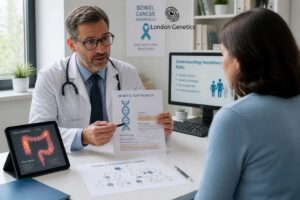
Genetic counselling plays a pivotal role in the process of DNA Health Screening, ensuring that individuals fully understand both the scope and implications of their results. Before undergoing any screening, professional guidance helps people comprehend what the test can and cannot reveal, set realistic expectations, and prepare for potential outcomes.
Following the test, genetic counselling continues to be crucial. Interpreting the results of DNA Health Screening can be complex, as genetic information often involves probabilities rather than certainties. A trained counsellor provides personalised explanations, highlighting any potential health risks, and advising on appropriate steps for prevention, monitoring, or treatment.
Ultimately, combining DNA Health Screening with professional genetic counselling empowers individuals to make informed and confident decisions about their health. This guidance not only improves understanding but also supports proactive and responsible management of one’s wellbeing.
Conclusion
DNA Health Screening represents a transformative step in modern healthcare, offering individuals unparalleled insight into their genetic makeup. By understanding one’s genetic profile, people can take proactive measures to safeguard their health, engage in preventive strategies, and pursue personalised treatments when necessary.
Importance of Informed Decision-Making and Counselling
Undertaking DNA Health Screening should always be accompanied by professional guidance and genetic counselling. This ensures that test results are interpreted accurately, understood clearly, and applied effectively to lifestyle and medical choices.
Combining the power of DNA Health Screening with expert support empowers individuals to take control of their health with confidence and clarity, turning genetic insights into actionable steps for long-term wellbeing.
Take charge of your genetic health today. Book a consultation with London Genetics to explore how personalised DNA Health Screening and expert counselling can support your journey to proactive healthcare.