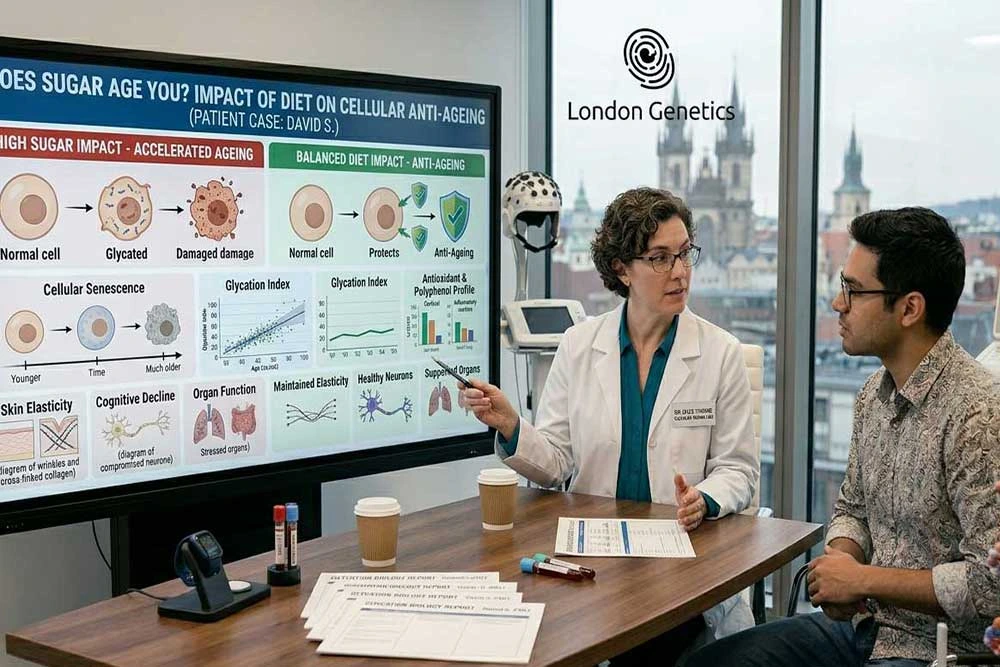
Introduction: The Hidden Sweetener Accelerating Our Biological Clock
It is no secret that the modern British diet is saturated with hidden sugars. From our morning biscuits and processed cereals to the convenience meals we rely on during a hectic workweek, sugar has become an almost inescapable part of daily life. For decades, public health campaigns have warned us about the obvious consequences of overindulgence, focusing primarily on weight gain, dental decay, and metabolic sluggishness. However, a much more profound question is now echoing through the wellness community: does sugar age you from the inside out?
When we look at the visible signs of time—such as a loss of skin elasticity, persistent fatigue, and a declining ability to bounce back after a long day—we rarely stop to consider what we put on our plates. The reality is that the impact of a high-sugar diet stretches far beyond the numbers on a scale. Recent clinical shifts suggest that excessive sugar consumption acts as a silent accelerator of our biological clock, subtly tampering with our cells’ ability to repair and rejuvenate.
While it is easy to assume that everyone responds to dietary habits in the exact same way, our individual resilience to these dietary stressors varies dramatically. To truly understand how dietary choices interact with your lifespan and how well your body maintains its youthful vitality, exploring the science of Longevity & Anti-Ageing Genetics becomes essential. By looking beyond generic advice, we can uncover how sugar unique affects our cells and take proactive control over the way we age.
The Science of Glycation: How Sugar Damages Your Collagen
To understand exactly how dietary habits influence your biological clock, we must look at a fascinating yet destructive biochemical process known as glycation. While many think of sugar only in relation to energy or weight, the physical reality of how sugar alters your appearance and structural health comes down to what happens when excess glucose enters your bloodstream.
The underlying philosophy of modern preventative dermatology and metabolic wellness lies in replacing reactive surface treatments with strategic biomolecular foresight. Analysing how individual metabolic profiles and glycation pathways interact with lifestyle habits allows clinical teams to eliminate outdated trial-and-error skincare routines. Mapping these specific collagen-degradation traits transforms abstract digital sequencing into an unshakeable, personalised blueprint for structural integrity and long-term health maintenance.
Cellular Exhaustion: Sugar’s Impact on Mitochondrial Energy and Anti-Ageing
When considering the question, does sugar age you, it is vital to look beyond surface-level aesthetics and peer deep into our cellular engines. Every ounce of vitality we experience—from our ability to focus during an intense workday to how efficiently our bodies repair damaged tissues overnight—is generated by tiny cellular powerhouses known as mitochondria. When our diet is well-balanced, these microscopic engines produce a steady, clean stream of energy. However, when subjected to the chaotic spikes and crashes of a high-sugar lifestyle, our mitochondria suffer immense structural stress.
Consuming refined sugars causes a rapid flood of glucose into the bloodstream. In an attempt to deal with this sudden surge, our cells force the mitochondria to work into overdrive to process the excess fuel. This relentless metabolic pressure inevitably creates a hazardous byproduct: an overproduction of free radicals. These unstable molecules act like internal rust, causing cellular oxidative stress and directly damaging the delicate machinery of the mitochondria themselves. Over time, this constant abuse leads to what scientists call mitochondrial dysfunction—a state where your cells can no longer produce energy efficiently.
The consequences of this cellular exhaustion are felt throughout the entire body. When your mitochondria are compromised, your cells enter a persistent energy deficit. This doesn’t just trigger the all-too-familiar afternoon sluggishness; it actively cripples the body’s natural anti-ageing and self-repair mechanisms. Because cell division, DNA repair, and tissue regeneration are incredibly energy-intensive processes, a sugar-exhausted organism simply lacks the fuel required to maintain its youthful vitality. Instead of actively recovering, the body falls into a state of premature systemic wear and tear.
Chronic Inflammation: The “Inflammageing” Effect of High-Sugar Diets
In recent years, longevity researchers have coined a powerful term to describe one of the primary drivers of human decline: “inflammageing.” This concept refers to a state of chronic, low-grade, and entirely invisible inflammation that quietly smoulders within our biological tissues as we grow older.
Why Responses Vary: Why Some People Handle Dietary Sugar Better Than Others
We have all witnessed the baffling disparity: one individual can regularly indulge in sugary desserts, pastries, and processed treats while maintaining flawless, glowing skin and boundess daily energy. Meanwhile, another person might strictly limit their treats, yet still suffer from sudden energy crashes, dull skin, and early fine lines. This frustrating reality often leads us back to our core question: does sugar age you at the exact same rate, or is there a deeper, hidden variable at play? The truth is, looking at food intake alone only tells half the story.
To make sense of these striking differences, we must ask a fundamental question that lies at the heart of modern preventative medicine: Why do some people age slower than others? The answer does not come down to luck or superior willpower; it is firmly rooted in our unique biological blueprint. Every human organism processes nutrients, clears out metabolic waste, and manages oxidative stress using a highly individualised system. What acts as a minor, easily managed metabolic ripple in one person’s body can cause severe, long-lasting cellular damage in another.
These invisible, internal variations explain why generic dietary advice so often fails to deliver results. Your genetic predispositions dictate how efficiently your cells can handle a sudden influx of glucose, how rapidly your body repairs collagen after glycation, and how well your immune system keeps sugar-induced inflammation in check. Until you understand your body’s specific biological starting point, managing your diet is purely a game of guesswork. Recognizing that your response to sugar is governed by your unique biology is the first essential step toward mastering your health and unlocking true, long-term cellular resilience.
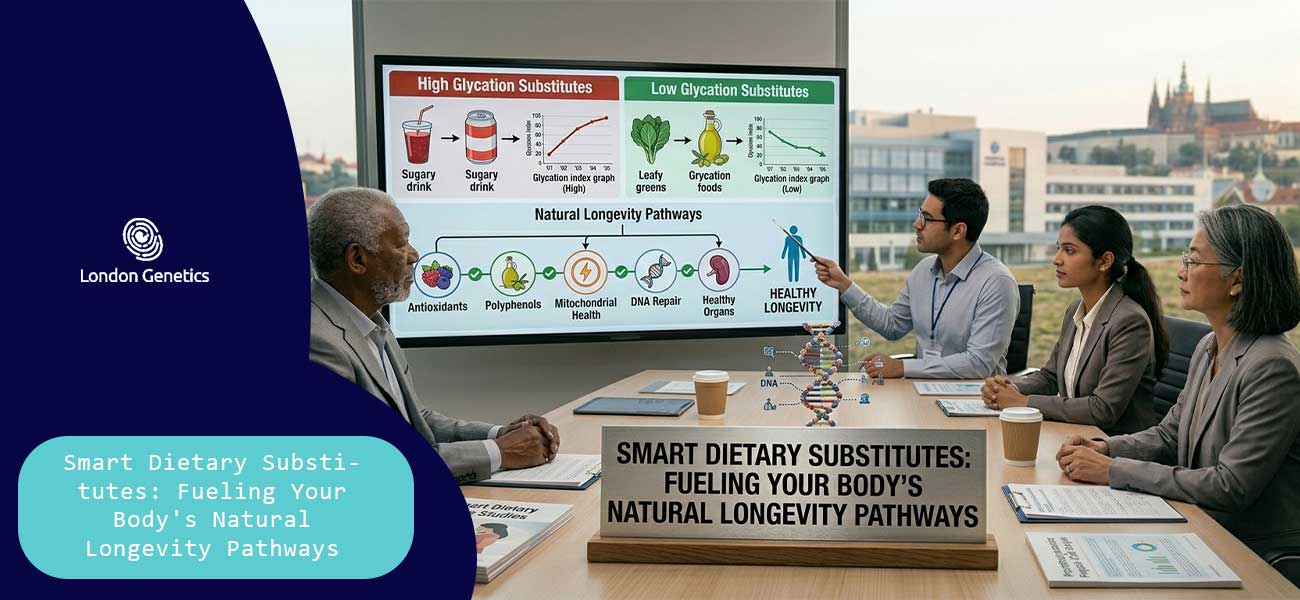
Smart Dietary Substitutes: Fueling Your Body’s Natural Longevity Pathways
Breaking free from the cycle of premature cellular decline does not mean you have to embrace a life of strict dietary deprivation or bland, uninspiring meals. Once you understand the underlying biochemical mechanics of how excessive glucose systematically damages your system, your mindset naturally shifts. The critical question is no longer just how much harm is being done by your daily treats, but rather how can we actively repair our cells and reverse the damage. If you have spent years wondering, does sugar age you, the definitive scientific answer should not discourage you; instead, it should inspire you to fundamentally change the biological fuel you choose to give your body.
By strategically replacing refined, high-glycaemic sugars with smart, nutrient-dense alternatives, you can actively stimulate your cells’ natural self-repair mechanisms. When you alter your daily shopping basket, you are not merely changing your diet—you are rewriting the environmental signals that dictate how your body ages over time.
Rebuilding Structural Integrity with Cellular Shields
The first vital step in reversing years of sugar-induced wear and tear is introducing powerful, defensive antioxidants into your daily meals to combat the chemical processes that degrade your tissue. When clients ask, does sugar age you faster than environmental factors, they are often surprised to learn how directly dietary toxins attack our physical framework. To protect your body from this internal stiffening, consider adding these essential components to your plate:
-
Polyphenol-Rich Foods: Brightly coloured berries (such as British blackberries and raspberries), dark leafy greens, and cruciferous vegetables are packed with natural compounds that act as a physical shield for your collagen fibres. These antioxidants work around the clock to neutralise the harmful free radicals and Advanced Glycation End-products (AGEs) that harden your skin and blood vessels.
-
Essential Essential Fatty Acids: In addition to antioxidants, incorporating premium, healthy fats—such as those found in fresh avocados, wild-caught cold-water fish, and extra virgin olive oil—provides your cellular structures with the raw building blocks required to rebuild damaged membranes. These clean fats also play a fundamental role in naturally soothing the systemic, low-grade inflammation caused by metabolic stress.
Stabilising Your Metabolic Engines
Beyond protecting your skin’s elasticity, a successful anti-ageing strategy must focus on maintaining a steady internal environment. If you constantly look at your reflection and ask, does sugar age you on a purely aesthetic level, you miss the profound impact it has on your internal energy. Your microscopic mitochondria require a clean, predictable energy source to function efficiently without burning out.
-
Complex, Slow-Release Carbohydrates: Swapping refined white sugars, processed flour, and hidden sweeteners for complex fibres, oats, and ancient whole grains ensures your daily blood sugar levels remain completely stable.
-
Preventing Insulin Chaos: Instead of causing the volatile insulin spikes and subsequent crashes that exhaust your mitochondria, these slow-digesting, complex foods provide a gentle, sustained stream of biological energy. This steady supply allows your cells to efficiently allocate energy toward vital nightly maintenance and DNA repair, rather than constantly fighting metabolic crises.
Ultimately, making these conscious lifestyle adjustments entirely transforms your relationship with food. You stop viewing nutrition through the restrictive lens of calorie counting and begin evaluating it as a powerful tool for longevity. Armed with the knowledge that answers the question, does sugar age you, you can confidently stop consuming items that accelerate your biological timeline. Instead, you begin eating to optimise your long-term vitality, strengthen your cellular resilience, and protect your youthful energy for the decades ahead.
Conclusion: Moving From Generic Diets to Biological Clarity
In conclusion, when confronting the pivotal question, does sugar age you, the science leaves very little room for debate. Refined sugar is profile-proven to be a silent driver of premature ageing, breaking down vital collagen, exhausting cellular powerhouses, and fuelling the flames of chronic inflammation. Cut-and-paste dietary trends and generic wellness advice will never be the definitive answer to achieving lifelong vitality.
Relying on traditional trial-and-error meal plans means leaving your cellular recovery and metabolic parameters completely to chance. Advanced genetic mapping represents the next great leap in proactive anti-ageing wellness, allowing individuals and medical teams to transition from frustrating, surface-level guesswork to an absolute predictive shield tailored carefully to your shared biological blueprint.
Book Your Consultation with Dr Karimiani