What is a Drug Phenotype?
At its core, a Drug Phenotype refers to the observable clinical reaction an individual has to a specific pharmaceutical agent. It is the functional outcome of how a person’s body processes, interacts with, and responds to medication, manifested as either a therapeutic effect, a lack of efficacy, or an adverse reaction. While genotype refers to the genetic blueprint inherited from one’s parents, the Drug Phenotype is the actual physiological manifestation of those genes in action, heavily influenced by environmental factors such as diet, age, and existing health conditions.
Understanding an individual’s unique Drug Phenotype is crucial for determining how safely and effectively a medication will work. For example, two patients may have the same diagnosis, but if they possess a different Drug Phenotype regarding the metabolism of a specific compound, one might suffer toxic side effects while the other experiences no relief at all.
This field bridges the gap between genetic potential and clinical reality. By utilising Pharmacogenomics, clinicians can predict a patient’s Drug Phenotype before prescribing, allowing for bespoke treatment plans. Furthermore, assessing the Drug Phenotype is a fundamental step in comprehensive Medication Compatibility Testing, ensuring that multiple drugs do not interact adversely within the patient’s specific metabolic framework. Essentially, the Drug Phenotype is the vital link that allows medicine to move from a one-size-fits-all approach to true personalised care.
The Role of Pharmacogenomics in Defining Drug Phenotype
Pharmacogenomics studies how an individual’s genetic makeup influences their response to medication.
By analysing specific DNA variations, clinicians can predict a patient’s Drug Phenotype before treatment begins,
optimising both safety and therapeutic effectiveness.
Genetic variations determine how efficiently the body metabolises medication.
These differences directly shape a patient’s Drug Phenotype.
Individuals who are “slow metabolisers” may accumulate standard drug doses to toxic levels,
increasing the risk of adverse reactions.
The liver metabolises most medications using enzymes from the Cytochrome P450 (CYP450) family.
Genetic differences in CYP450 genes alter enzyme activity,
directly influencing Drug Phenotype and response to medications
such as codeine and certain antidepressants.
Key Takeaway:
Drug Phenotype is the functional result of genetic variation in drug-metabolising enzymes.
By identifying these variations in advance, clinicians can personalise medication choice and dosage,
reducing toxicity risk and improving treatment outcomes.
Why Medication Compatibility Testing Matters
Medication Compatibility Testing is a critical clinical process designed to identify potential interactions between different drugs, or between a drug and a patient’s unique physiological makeup. Its primary purpose is to ensure that when multiple medications are prescribed simultaneously, they do not produce harmful effects, counteract each other, or become ineffective. By examining how different agents behave together within the body, this testing acts as a vital safety net in modern pharmacology.
Identifying Potential Interactions
Beyond simply checking if Drug A interacts with Drug B, effective Medication Compatibility Testing must take into account the patient’s individual Drug Phenotype. For example, two drugs might be deemed compatible for the general population, but for a patient with a specific Drug Phenotype that results in slow metabolism, the combination could lead to dangerous accumulation in the bloodstream.
Linking Phenotype to Adverse Drug Reactions
The connection between a patient’s Drug Phenotype and the likelihood of experiencing Adverse Drug Reactions (ADRs) is paramount. ADRs are a leading cause of hospitalisation, often occurring because a patient’s metabolic capacity does not match the dose or type of drug prescribed.
-
Predicting Risk: By understanding the Drug Phenotype through comprehensive testing, clinicians can predict who is at risk for toxicity (e.g., poor metabolisers) or who will experience therapeutic failure (e.g., ultra-rapid metabolisers).
-
Preventing Harm: Medication Compatibility Testing therefore goes beyond simple drug-drug interactions; it integrates the patient’s functional metabolic profile to prevent ADRs, ensuring a tailored and safe treatment journey.
Types of Drug Phenotypes: Fast vs. Slow Metabolizers
Drug Phenotypes classify individuals based on how efficiently their liver enzymes metabolise medications.
Identifying whether a patient is a fast, normal, or slow metaboliser is essential
for optimising dosage, maximising efficacy, and minimising toxicity.

Hover over each box to explore the different metabolic Drug Phenotypes and their clinical impact.

Poor Metabolizers (PM): Very low or absent enzyme activity,
leading to slow drug breakdown and high toxicity risk at standard doses.
Intermediate Metabolizers (IM): Reduced enzyme activity;
may require dose adjustments to avoid side effects.
Normal Metabolizers (NM): Expected enzyme activity;
standard dosing usually achieves therapeutic levels.
Ultra-rapid Metabolizers (UM): Extremely fast drug clearance,
potentially causing treatment failure—or toxicity in certain prodrugs.

Efficacy: Ultra-rapid metabolisers may clear medication too quickly,
resulting in persistent symptoms despite treatment.
Toxicity: Poor metabolisers cannot eliminate drugs efficiently,
increasing the risk of dangerous drug accumulation and adverse reactions.
Correctly identifying Drug Phenotype is therefore critical for safe,
personalised prescribing.
Key Takeaway:
Drug Phenotype classification is a cornerstone of precision medicine.
By understanding whether a patient is a fast or slow metaboliser,
clinicians can tailor treatment to improve effectiveness,
reduce adverse effects, and ensure safer therapeutic outcomes.
Clinical Applications: Personalising Treatment Plans
The ultimate goal of analysing a patient’s Drug Phenotype is to transform clinical practice from a reactive approach to a proactive, personalised one. By integrating Drug Phenotype information into electronic health records, clinicians can make data-driven decisions that significantly improve patient safety and therapeutic outcomes. This approach allows doctors to move away from “trial and error” prescribing, selecting the precise medication and dosage tailored to an individual’s metabolic capacity from the very beginning.
Tailoring Medication and Dosage
Knowing a patient’s Drug Phenotype empowers the clinician to act decisively:
-
Dose Reduction: For patients identified as poor metabolisers, a lower dose is prescribed to prevent toxic buildup.
-
Alternative Selection: If the patient’s Drug Phenotype indicates a lack of response to a particular drug, a different medication that is not dependent on the same metabolic pathway can be chosen immediately.
Clinical Examples Across Specialities
The application of Drug Phenotype analysis is transformative across various medical disciplines:
-
Psychiatry: Selecting antidepressants (like SSRIs) or antipsychotics relies heavily on metabolising enzymes. Knowing if a patient is an ultra-rapid metaboliser prevents months of treatment failure, while identifying a poor metaboliser prevents severe side effects like serotonin syndrome.
-
Cardiology: Medications such as clopidogrel (a blood thinner) require activation by specific enzymes. If a patient’s Drug Phenotype shows they lack the capacity to activate this drug, they are at high risk for blood clots, prompting the doctor to choose a different medication immediately.
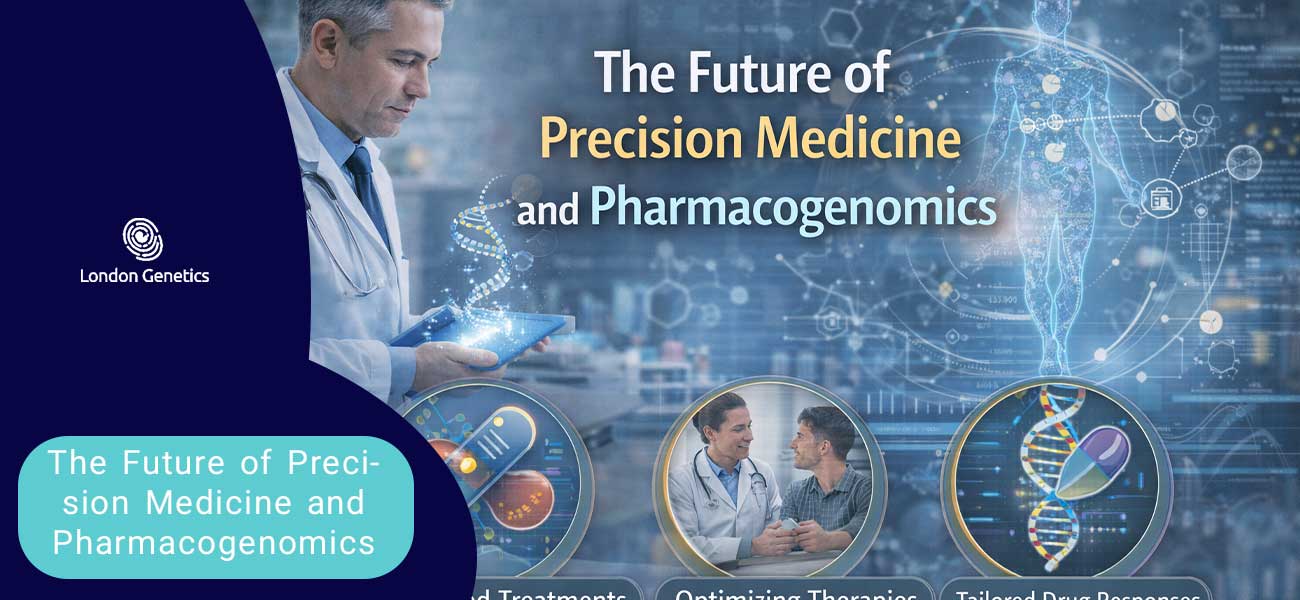
The Future of Precision Medicine and Pharmacogenomics
The future of healthcare lies in precision medicine, a proactive approach that tailors medical treatment to the individual characteristics of each patient. Central to this evolution is pharmacogenomics, which allows clinicians to predict a patient’s Drug Phenotype before treatment even begins. Rather than relying on a traditional, one-size-fits-all, trial-and-error method, future medical practice will increasingly rely on genetic testing to map a patient’s metabolic capabilities. This ensures that the first prescription is both safe and effective, significantly reducing the risks associated with improper drug selection. By accurately mapping the Drug Phenotype, the medical community can move away from treating the average patient and towards treating the individual.
Genetic Testing to Predict Phenotype
Genetic testing is rapidly becoming a routine component of patient care, moving from specialised laboratories into general clinical practice. By analysing a patient’s DNA for specific variations, doctors can accurately determine their likely Drug Phenotype—whether they are a fast, slow, or normal metaboliser.
-
Pre-emptive Profiling: In the near future, patients may have their Drug Phenotype profile securely stored in their electronic health records. When a medication is prescribed, the system will automatically alert the clinician if the drug is incompatible with the patient’s genetic profile.
-
Proactive Management: This shift allows doctors to move away from reacting to adverse reactions and towards proactively managing them. By understanding the Drug Phenotype in advance, clinicians can alter doses or choose alternative medications to match the patient’s biological profile perfectly, ensuring the highest standards of safety.
Economic Outlook and Patient Safety
The integration of Drug Phenotype testing offers a compelling vision for the future of healthcare economics and safety, promising a significant return on investment. The following table highlights the stark differences between traditional methods and those focused on the individual’s Drug Phenotype.
-
Cost Savings: While there is an upfront investment in genetic testing, the long-term savings are significant. By avoiding ineffective treatments and reducing hospitalisations caused by adverse drug reactions, healthcare systems can drastically reduce expenditures.
-
Increased Safety: The primary benefit of understanding a patient’s Drug Phenotype is the dramatic increase in patient safety. By eliminating toxic reactions through proactive testing, we can ensure that therapies are tailored to the individual, leading to better clinical outcomes and a higher quality of life. The ability to predict a patient’s reaction based on their Drug Phenotype is the foundation of modern medical safety.
Conclusion: Improving Patient Outcomes through Tailored Care
Understanding a patient’s Drug Phenotype is no longer optional in modern healthcare—it is essential.
Moving beyond a trial-and-error prescribing model toward a proactive, pharmacogenomics-driven approach
allows clinicians to select the right medication at the right dose from the very beginning.
With Drug Phenotype–guided care, clinicians can:
- Predict how efficiently a patient will metabolise specific medications
- Reduce the risk of adverse drug reactions and toxicity
- Optimise therapeutic efficacy through personalised dosing strategies
From Trial-and-Error to Precision Medicine:
– Use pharmacogenomic insights to guide safer prescribing decisions.
– Minimise harmful side effects through tailored medication selection.
– Improve treatment success by aligning therapy with individual biology.
Why Drug Phenotype Testing Matters:
Medication compatibility testing and pharmacogenomic analysis
provide actionable data that enhances safety, effectiveness,
and long-term treatment outcomes.
By integrating genetic insights into routine care,
healthcare becomes more precise, proactive, and patient-centred.
Your Next Step:
Consult with a specialist in pharmacogenomics
to evaluate your Drug Phenotype and receive
a personalised medication strategy designed
to maximise safety and therapeutic benefit.