Introduction: Why Ethnic Conditions or Region-Specific Genetic Tests Matter
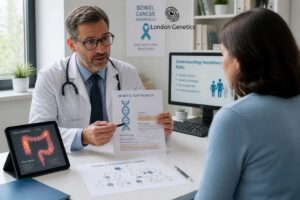
In today’s world of personalised medicine, Ethnic Conditions or Region-Specific genetic tests have become increasingly important. These tests are designed to identify genetic disorders that are more prevalent in certain populations due to ancestry, geographic region, or historical genetic patterns. Understanding these variations is not only crucial for accurate diagnosis but also for effective Reproductive Genetics counselling and preventive healthcare.
For couples planning a family, knowing whether they carry variants associated with population-specific conditions can significantly influence reproductive decisions. This is particularly relevant in scenarios involving Egg/Sperm Donor Genetic Screening, where ensuring compatibility and minimising the risk of passing on serious inherited conditions is paramount. By screening donors for mutations that are common in their ethnic or regional background, fertility clinics can dramatically reduce the likelihood of rare genetic disorders in offspring.
Moreover, Ethnic Conditions or Region-Specific genetic tests play a critical role in newborn and paediatric care. Certain disorders, such as thalassemia in Mediterranean populations or sickle cell disease in individuals of African ancestry, are best detected through targeted genetic screening. Integrating these tests into Reproductive Genetics programmes allows clinicians to provide more personalised care, guide family planning decisions, and offer early interventions when necessary.
The significance of these tests extends beyond individual families. On a population level, they contribute to better understanding of genetic diversity, help map disease prevalence across regions, and inform public health strategies. In essence, Ethnic Conditions or Region-Specific genetic tests bridge the gap between ancestry, molecular genetics, and clinical practice, making them indispensable tools in modern medicine, especially within the fields of reproductive health and paediatric genomics.
By recognising the importance of population-specific genetic risks, healthcare providers can deliver safer, more informed, and highly tailored care, ensuring that advances in Reproductive Genetics and Egg/Sperm Donor Genetic Screening benefit both families and the broader community.
Understanding Ethnic Conditions and Region-Specific Disorders
Ethnic and region-specific disorders are genetic conditions that occur more frequently in certain populations due to ancestry, historical gene patterns, or geographic factors.
Recognising these patterns allows clinicians to anticipate risks, implement screening strategies, and provide personalised care.
Some populations carry higher frequencies of specific mutations.
For example, thalassemia is more common in Mediterranean and South Asian communities,
while sickle cell disease is prevalent among individuals of African descent.
Identifying these patterns enables targeted interventions, early detection, and informed reproductive advice.
Knowledge of ethnic and region-specific disorders is critical in planning safe pregnancies,
especially when considering assisted reproduction or egg/sperm donor genetic screening.
Appropriate screening of donors and recipients reduces the risk of passing on serious genetic conditions.
Awareness of these disorders informs paediatric care and public health strategies.
Targeted newborn screening programmes enable early intervention and improved long-term outcomes.
Integrating population-specific genetic knowledge into clinical practice enhances personalised care and safety for families.
Key Takeaway:
Understanding ethnic and region-specific genetic disorders allows healthcare providers
to anticipate population-specific risks, implement targeted screening,
guide reproductive planning, and improve outcomes for children and families.
Integrating this knowledge bridges genetic science with practical clinical care.
Common Genetic Disorders in Specific Populations
Certain genetic conditions are significantly more common in specific populations due to historical, geographic, and ancestral factors. Understanding these patterns is crucial for effective Ethnic Conditions or Region-Specific genetic screening and plays a vital role in Reproductive Genetics and family planning.
For example, thalassemia is highly prevalent in Mediterranean, Middle Eastern, and South Asian populations, whereas sickle cell disease primarily affects individuals of African or Caribbean ancestry. Similarly, Tay-Sachs disease is more common among Ashkenazi Jewish populations, and cystic fibrosis shows higher frequencies in Northern European groups. By recognising these population-specific risks, clinicians can offer targeted Egg/Sperm Donor Genetic Screening, ensuring that both donors and recipients are appropriately evaluated to minimise the likelihood of passing on serious genetic conditions.
These common genetic disorders also inform paediatric care, allowing early diagnosis and intervention. For instance, newborn screening programmes often include region-specific panels for these conditions, enabling timely treatment and better long-term outcomes.
In addition, understanding these disorders helps guide public health initiatives, resource allocation, and educational programmes for at-risk communities. By integrating knowledge of Ethnic Conditions or Region-Specific disorders into routine practice, healthcare providers can provide safer, more personalised care and empower families with informed reproductive choices.
Available Screening and Diagnostic Tests for Ethnic and Region-Specific Disorders
Knowing the available screening and diagnostic tests is essential for early detection and intervention of ethnic or region-specific genetic disorders.
Modern genetic tools allow precise identification of both common and rare population-specific conditions, supporting personalised care and reproductive planning.

Hover over each box to explore the key testing options and their clinical relevance.

Preconception screening identifies carrier status for conditions prevalent in a specific ethnic or regional population,
enabling informed reproductive choices.
Prenatal testing can further assess risks, using panels that may include thalassemia, sickle cell disease, Tay-Sachs, and cystic fibrosis.

Diagnostic tests are used when family history, abnormal prenatal results, or initial screening indicate a potential risk.
These tests include molecular genetic testing, chromosomal analysis, and targeted mutation panels designed for specific populations.

Newborn screening programmes detect population-specific genetic conditions early,
allowing prompt intervention and improved long-term outcomes.
Integrating preconception, prenatal, and newborn testing ensures comprehensive management of ethnic and region-specific genetic risks.
Key Takeaway:
Combining preconception, prenatal, and newborn screening provides a full-spectrum approach
to managing ethnic and region-specific genetic disorders.
This integration bridges genetic science with clinical practice,
supporting personalised care, safer reproductive planning, and early interventions that improve outcomes.
Importance in Prenatal and Newborn Screening
Prenatal and newborn screening are critical components of modern healthcare, particularly when addressing Ethnic Conditions or Region-Specific genetic disorders. These screening programmes allow for early detection of genetic conditions, enabling timely interventions, personalised care, and informed family planning. By focusing on disorders prevalent in specific populations, healthcare providers can deliver targeted testing that maximises clinical benefit while minimising unnecessary procedures.
Prenatal screening typically involves testing during pregnancy to assess the risk of inherited or population-specific disorders. Couples can undergo carrier screening before or during pregnancy to determine whether they carry mutations associated with conditions common in their ethnic background. This information is particularly important for families considering assisted reproductive technologies, as Egg/Sperm Donor Genetic Screening ensures the selection of donors who are free from high-risk mutations.
Newborn screening occurs shortly after birth and is designed to identify conditions that, if left untreated, could cause severe health complications. Early detection allows for timely interventions, which can dramatically improve outcomes and quality of life. For example, conditions such as sickle cell disease, thalassemia, and phenylketonuria (PKU) are included in region-specific newborn screening programmes to catch high-risk cases early.
The following table summarises the importance and applications of prenatal and newborn screening for Ethnic Conditions or Region-Specific disorders:
| Screening Stage | Purpose | Examples of Conditions | Clinical Benefits |
|---|---|---|---|
| Preconception / Prenatal | Assess carrier status, evaluate risk in parents or donors | Thalassemia, Sickle Cell Disease, Tay-Sachs | Informed reproductive decisions, selection of low-risk donors, early counselling |
| Prenatal Diagnostic Testing | Confirm suspected genetic disorders before birth | Chromosomal abnormalities, single-gene disorders | Allows early medical planning, potential in-utero interventions, informed birth planning |
| Newborn Screening | Detect conditions shortly after birth | PKU, congenital hypothyroidism, sickle cell disease, cystic fibrosis | Enables immediate treatment, prevents complications, improves long-term outcomes |
Integrating Ethnic Conditions or Region-Specific genetic screening into Reproductive Genetics practice ensures that both parents and healthcare providers are aware of potential risks specific to their population. This targeted approach not only improves the accuracy of diagnosis but also enhances preventive care and optimises treatment strategies.
In summary, prenatal and newborn screening are indispensable for detecting population-specific genetic risks, supporting informed family planning, and ensuring timely interventions that can significantly improve health outcomes from birth.
Role in Genetic Counselling and Family Planning
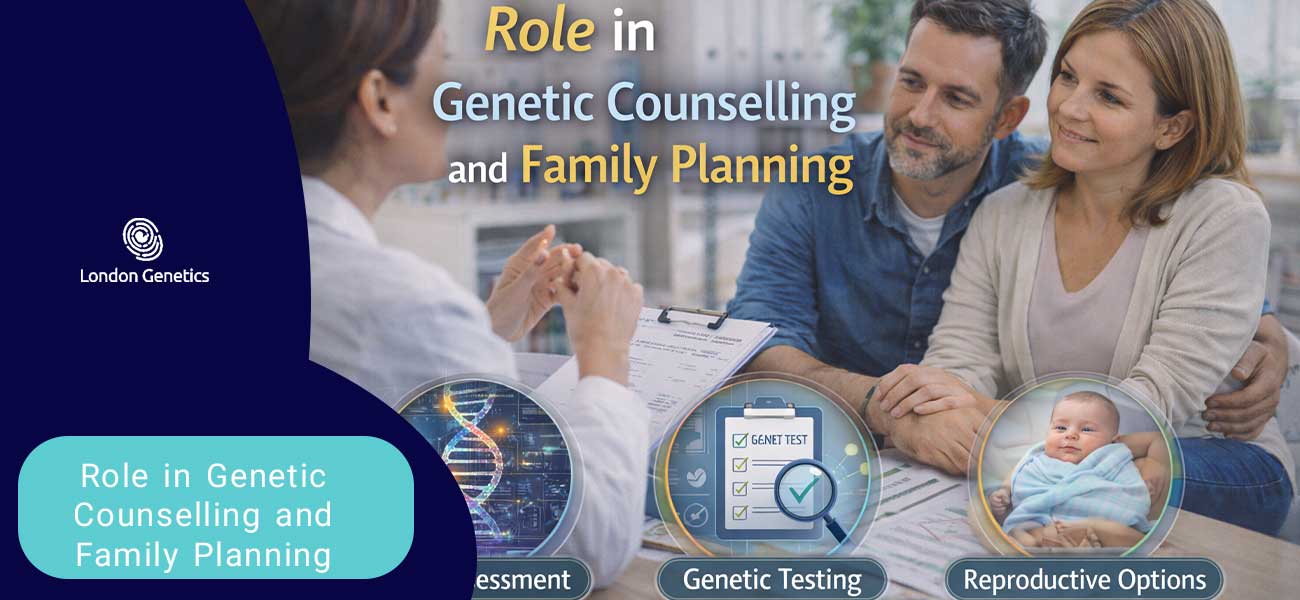
Genetic counselling plays a pivotal role in helping families understand the implications of Ethnic Conditions or Region-Specific genetic risks. By integrating knowledge from Reproductive Genetics and Egg/Sperm Donor Genetic Screening, counsellors provide personalised guidance that empowers individuals and couples to make informed reproductive decisions.
The primary goal of genetic counselling is to assess risk factors for inherited or population-specific conditions. This involves reviewing family history, evaluating carrier status, and interpreting the results of targeted genetic tests. For populations with higher prevalence of certain disorders—such as thalassemia in Mediterranean or South Asian communities, or sickle cell disease in African and Caribbean populations—counselling helps families understand the likelihood of passing these conditions to their children.
In family planning, genetic counselling informs decisions regarding:
-
Preconception screening – identifying carrier status before pregnancy.
-
Egg/Sperm donor selection – ensuring donors are free of high-risk mutations common in their ethnic background.
-
Prenatal testing decisions – offering guidance on available tests to detect Ethnic Conditions or Region-Specific disorders early in pregnancy.
-
Postnatal care planning – using newborn screening results to guide immediate interventions and long-term management.
A structured approach helps reduce uncertainty and anxiety for families. The following table summarises the main roles of genetic counselling in this context:
| Counselling Focus | Purpose | Impact on Family Planning |
|---|---|---|
| Risk Assessment | Identify carrier status and mutation risks | Enables informed decisions about conception and reproductive choices |
| Donor Screening Guidance | Evaluate suitability of egg/sperm donors | Minimises risk of passing population-specific disorders |
| Test Interpretation | Explain results of genetic and screening tests | Supports understanding of implications for current and future pregnancies |
| Preventive Strategies | Recommend interventions, lifestyle changes, or medical management | Improves health outcomes for both parents and children |
By combining Ethnic Conditions or Region-Specific knowledge with modern reproductive technologies, genetic counselling ensures that families receive tailored advice. This personalised approach not only reduces the risk of genetic disorders but also supports ethical and informed decision-making, enhancing the overall success of family planning initiatives.
Future Directions in Ethnic and Region-Specific Genetic Testing
Advances in genetic testing for ethnic and region-specific disorders are enabling more precise,
comprehensive, and personalised approaches.
These developments are transforming Reproductive Genetics and Egg/Sperm Donor Screening,
improving healthcare outcomes for families worldwide.
With these future-oriented testing strategies, clinicians can:
- Use population-specific genetic panels tailored to unique mutation profiles
- Integrate whole-genome and whole-exome sequencing for broader mutation detection
- Leverage AI and machine learning to predict disorder likelihood and guide screening
- Provide culturally sensitive counselling and ethical guidance for families
Advancing Precision and Personalisation:
– Design genetic panels specific to ethnic or regional populations for improved accuracy.
– Combine AI-driven analysis with advanced sequencing to interpret complex results efficiently.
– Ensure families and donors receive comprehensive, personalised guidance on genetic risks.
Why This Matters:
Population-specific genetic testing empowers clinicians to anticipate risks,
optimise reproductive planning, and enhance paediatric care outcomes.
Integrating advanced genomics, AI, and ethical practice maximises benefits while respecting community diversity.
Your Next Step:
Consult with a specialist in reproductive and population genomics
to explore advanced ethnic and region-specific testing,
receive expert interpretation, and develop a personalised plan
for screening, counselling, and informed family decisions.