Introduction
The study of genetic mutations in children has become a critical area of research in contemporary genetics and paediatric medicine. Understanding how genetic mutations arise, whether inherited or occurring de novo, provides valuable insights into the mechanisms that shape both normal development and disease susceptibility in childhood.
A genetic mutation refers to any alteration in the DNA sequence that can affect gene function, ranging from single-nucleotide changes to large structural rearrangements. These DNA changes can influence a wide array of physiological traits, including growth, appearance, and organ function, and may predispose children to various inherited or acquired conditions.
The primary aim of this article is to explore the impact of genetic mutations on children’s health and phenotypic characteristics. By examining the relationship between DNA alterations and clinical outcomes, we seek to provide a comprehensive overview of how genetic mutations contribute to both normal variation and disease in paediatric populations.
Genetic Fundamentals
A solid understanding of genetic mutations begins with the basic structure of DNA and genes. DNA, composed of nucleotide sequences, serves as the blueprint for all cellular functions, while genes are discrete segments of DNA that encode proteins essential for development and physiological processes.
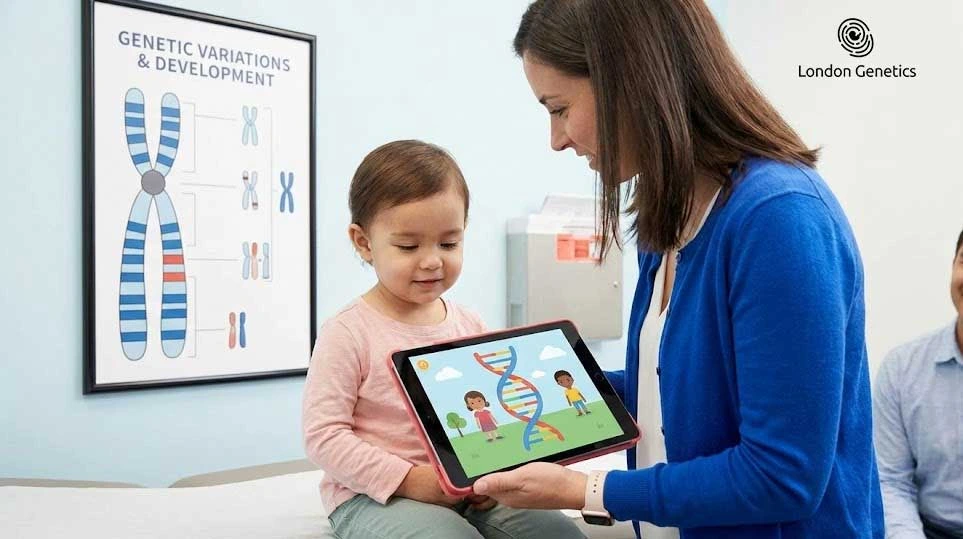
Genetic variations, including mutations, are critical in shaping normal traits and susceptibility to diseases in children.
- Single-nucleotide changes in the DNA sequence
- Can alter the function of a gene
- Sometimes lead to disease
Point mutations are a common type of genetic variation affecting gene function.
- Removal or addition of one or more nucleotides
- Can disrupt the reading frame of a gene
- Significantly impacts protein synthesis
These mutations can have profound effects on cellular processes and development.
- Abnormal repetition of nucleotide sequences
- Can interfere with gene regulation
- Associated with several hereditary disorders
Studying repeat expansions helps understand the link between DNA changes and inherited disorders in children.
Understanding genetic mutations is key to pediatric health.
By studying these mutations, researchers can gain insight into how alterations in DNA influence phenotypic diversity, developmental pathways, and the onset of pediatric disorders.
De Novo Mutations
De novo mutations represent a distinct and critical category of genetic mutations that occur spontaneously, rather than being inherited from either parent. These mutations are of particular interest in paediatric genetics, as they can be responsible for unexpected traits or disorders in children who have no family history of a specific condition.
Definition and Significance
A de novo mutation is defined as a genetic alteration that appears for the first time in a child, arising either in a germ cell (sperm or egg) of one parent or during the early stages of embryonic development. Unlike inherited mutations, which are passed down through generations, de novo genetic mutations can introduce novel changes in the DNA that may have profound effects on a child’s health and development.
The significance of these mutations lies in their ability to generate new genetic variation in a population and contribute to both normal phenotypic diversity and disease susceptibility. For clinicians and geneticists, identifying de novo mutations is essential for accurate diagnosis and informed genetic counselling.
Mechanisms of Formation
De novo mutations can arise through several mechanisms:
-
Errors during DNA replication – Mistakes in copying the DNA sequence in germ cells can introduce point mutations, insertions, or deletions.
-
Chromosomal abnormalities – Structural changes in chromosomes, such as duplications, deletions, or translocations, can occur spontaneously in gametes or embryos.
-
Environmental factors – Exposure to certain chemicals, radiation, or other mutagens may occasionally trigger genetic mutations during cell division.
These mechanisms highlight that even in the absence of inherited risk factors, children can be affected by novel genetic mutations, influencing both physical traits and susceptibility to disease.
Role in Paediatric Disorders
De novo genetic mutations are implicated in a wide range of childhood conditions, including:
-
Congenital disorders – Structural or functional anomalies present at birth.
-
Neurodevelopmental conditions – Such as autism spectrum disorders and intellectual disabilities.
-
Metabolic diseases – Disorders that affect enzymatic processes and overall metabolism.
Because these mutations are not present in the parents, they often pose challenges for diagnosis and require advanced genetic testing techniques, such as next-generation sequencing (NGS) or whole-exome sequencing.
Clinical and Research Implications
Understanding the impact of de novo mutations is vital for multiple reasons:
-
Early diagnosis and intervention – Timely identification of a mutation can enable personalised treatment strategies.
-
Genetic counselling – Families benefit from understanding the origin and recurrence risk of the mutation.
-
Research on human genetic diversity – Studying de novo genetic mutations provides insights into evolution, population genetics, and mechanisms of disease.
In summary, de novo mutations are a powerful source of genetic variation that play a crucial role in shaping childhood outcomes. Their study not only improves clinical care but also enhances our understanding of how genetic mutations influence both health and development in paediatric populations.
Clinical Outcomes of Genetic Mutations
Genetic mutations can have a wide spectrum of effects on children, ranging from subtle variations in appearance to serious paediatric disorders.
Understanding these clinical outcomes is essential for paediatricians, geneticists, and researchers, as it informs both diagnosis and management.
The effect depends on mutation type, affected gene, and whether it is inherited or de novo.
Examples include:
Cystic fibrosis: CFTR gene mutations affecting respiratory and digestive systems.
Duchenne muscular dystrophy: DMD gene mutations causing progressive muscle degeneration.
Rare congenital syndromes: Rett or Marfan syndromes resulting from specific gene alterations.
These disorders show the profound effects of genetic mutations on child health and quality of life.
Metabolic disorders: e.g., phenylketonuria (PKU), where enzyme activity is disrupted.
Muscular disorders: various forms of muscular dystrophy impairing strength and mobility.
Early recognition allows timely intervention, dietary adjustments, or medical therapies to improve outcomes.
Appearance: Eye color, hair color, facial features due to multiple gene variations.
Growth: Height, weight, overall development affected by growth factor and hormone-related mutations.
These examples illustrate the pervasive influence of genetic mutations on childhood development.
Recognising clinical outcomes of genetic mutations is crucial. It enables clinicians to provide appropriate care, monitor growth and development, and support families through genetic counselling and management strategies.
Genotype-Phenotype Correlations
Understanding the relationship between an individual’s genetic makeup (genotype) and their observable traits (phenotype) is a central objective in paediatric genetics. Genetic mutations can lead to a wide spectrum of clinical outcomes, and studying these correlations helps clinicians predict disease severity, prognosis, and potential therapeutic approaches.
Notable Examples
Several well-documented cases illustrate how genetic mutations manifest in distinct phenotypes:
-
Duchenne Muscular Dystrophy (DMD) – Mutations in the DMD gene, typically deletions or duplications, result in progressive muscle weakness and loss of mobility. The severity and onset of symptoms can vary depending on the specific mutation, highlighting a clear genotype-phenotype relationship.
-
Marfan Syndrome – Caused by mutations in the FBN1 gene, this disorder affects connective tissue and can lead to tall stature, long limbs, cardiovascular complications, and skeletal anomalies. Different mutations can produce a spectrum of clinical presentations.
-
Cystic Fibrosis (CF) – Mutations in the CFTR gene affect chloride transport in epithelial cells. Certain mutations are associated with more severe pulmonary disease, while others primarily impact digestive function, demonstrating variable phenotypic outcomes from different genotypes.
Mechanisms Linking Genotype and Phenotype
The ways in which genetic mutations lead to observable traits are complex:
-
Loss-of-function mutations – The affected gene produces a non-functional protein, resulting in disease symptoms.
-
Gain-of-function mutations – The gene produces an abnormal protein that actively disrupts normal cellular processes.
-
Modifier genes – Other genes can influence the severity or presence of a phenotype, even with the same primary mutation.
-
Environmental interactions – Nutrition, exposure to toxins, and other environmental factors can modulate the phenotypic expression of genetic mutations.
Clinical Significance
Studying genotype-phenotype correlations enables:
-
Predictive medicine – Anticipating disease progression based on the specific mutation.
-
Personalised treatment strategies – Tailoring interventions according to the genetic profile.
-
Genetic counselling – Informing families about potential outcomes and recurrence risks in future children.
By examining how genetic mutations translate into phenotypic diversity and disease, clinicians and researchers gain critical insights into paediatric health. Understanding these correlations not only improves diagnosis and management but also provides a foundation for developing targeted therapies and preventative strategies.

Genetic Testing & Diagnosis
Accurate genetic diagnosis plays a pivotal role in modern paediatric medicine, particularly in the context of developmental disorders and other childhood conditions influenced by genetic mutations. Early and precise identification of DNA alterations allows clinicians to understand the underlying cause of a disorder, predict clinical outcomes, and develop personalised management strategies.
Laboratory Techniques
Several advanced laboratory techniques are commonly used to detect genetic mutations and provide a reliable genetic diagnosis:
-
Next-Generation Sequencing (NGS) – This high-throughput technology enables comprehensive analysis of the entire genome or specific gene panels. NGS is particularly effective in identifying point mutations, small insertions/deletions, and rare variants associated with developmental disorders.
-
Microarray Analysis – Microarrays detect large-scale chromosomal variations, such as duplications or deletions, which may not be visible through traditional karyotyping. This method is valuable for diagnosing complex genetic syndromes.
-
Polymerase Chain Reaction (PCR) and Other Molecular Methods – PCR allows amplification of specific DNA regions, facilitating the detection of known mutations. Combined with sequencing, PCR provides precise information about genetic mutations in individual genes.
Importance of Genetic Counselling
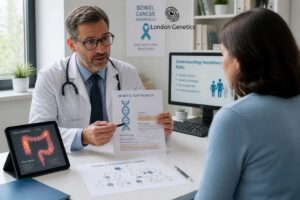
Beyond laboratory testing, genetic counselling is essential for families. Counselling helps parents understand the nature of the detected genetic mutations, their implications for developmental disorders, and the likelihood of recurrence in future children. This guidance also supports informed decision-making regarding treatment options and family planning.
Clinical Implications
Integrating advanced genetic testing with counselling enables:
-
Early intervention – Prompt diagnosis can guide therapies, lifestyle adjustments, or medical monitoring.
-
Personalised care – Management strategies tailored to the child’s specific genetic mutations.
-
Informed family planning – Parents gain a clearer understanding of potential risks for future offspring.
In summary, genetic testing and diagnosis are indispensable tools in paediatric healthcare. By combining cutting-edge laboratory techniques with professional genetic counselling, clinicians can provide comprehensive care for children affected by genetic mutations and developmental disorders, ultimately improving long-term outcomes.

Treatment and Management
Managing the effects of genetic mutations in children requires a multifaceted approach that combines medical care, emerging genetic therapies, and preventive strategies. Effective management is essential to improve health outcomes, enhance quality of life, and support the development of children affected by paediatric disorders.
Medical and Pharmacological Approaches
Traditional medical and pharmacological interventions aim to alleviate symptoms, slow disease progression, and manage complications associated with genetic mutations. For example:
-
Muscular dystrophies may be managed with physiotherapy, corticosteroids, and cardiac monitoring.
-
Metabolic disorders, such as phenylketonuria (PKU), require dietary modifications and enzyme replacement therapies.
While these approaches do not correct the underlying genetic mutations, they play a crucial role in maintaining health and function.
Emerging Genetic and Cellular Therapies
Recent advances in molecular medicine have opened the door to genetic therapies and cellular interventions:
-
Gene therapy – Introducing functional copies of genes or correcting defective genes to restore normal protein function.
-
CRISPR-Cas9 and genome editing – Precisely modifying DNA to correct disease-causing mutations.
-
Stem cell therapies – Using stem cells to regenerate or repair damaged tissues affected by genetic disorders.
Although many of these therapies are still experimental, clinical trials have shown promising results in treating certain paediatric genetic disorders.
Prevention and Monitoring
For children at high risk of developing conditions due to genetic mutations, preventive strategies and ongoing monitoring are essential:
-
Regular medical evaluations – Early detection of complications allows timely intervention.
-
Genetic counselling for families – Helps parents understand recurrence risks and make informed decisions.
-
Lifestyle and environmental modifications – Can reduce the severity or progression of symptoms in certain disorders.
An integrated approach to treatment and management, combining traditional medical care, cutting-edge genetic therapies, and preventive monitoring, offers the best outcomes for children affected by genetic mutations. Continuous research and clinical trials are essential to expand therapeutic options and improve long-term quality of life for these patients.