Muscular Dystrophy in Children: Hope Through Early Diagnosis
Muscular Dystrophy in Children: Hope Through Early Diagnosis
Introduction
Genetic disorders constitute a substantial proportion of paediatric health conditions, often presenting significant physical, emotional, and social challenges for both affected children and their families. Among these conditions, Muscular Dystrophy in Children stands out as a prominent example of a genetically driven disease, arising from mutations that impair normal muscle structure and function. Understanding the genetic basis of such disorders is essential for achieving accurate diagnosis and effective long-term management.
In recent years, genomic medicine has rapidly evolved into a transformative discipline within paediatrics. By using advanced genomic technologies—such as whole-exome sequencing, targeted gene panels, and molecular diagnostic assays—clinicians are now able to identify the precise genetic alterations responsible for Muscular Dystrophy in Children far earlier and with greater accuracy than ever before. Moreover, genomic insights increasingly influence treatment planning, monitoring disease progression, and supporting families through informed decision-making and tailored clinical care.
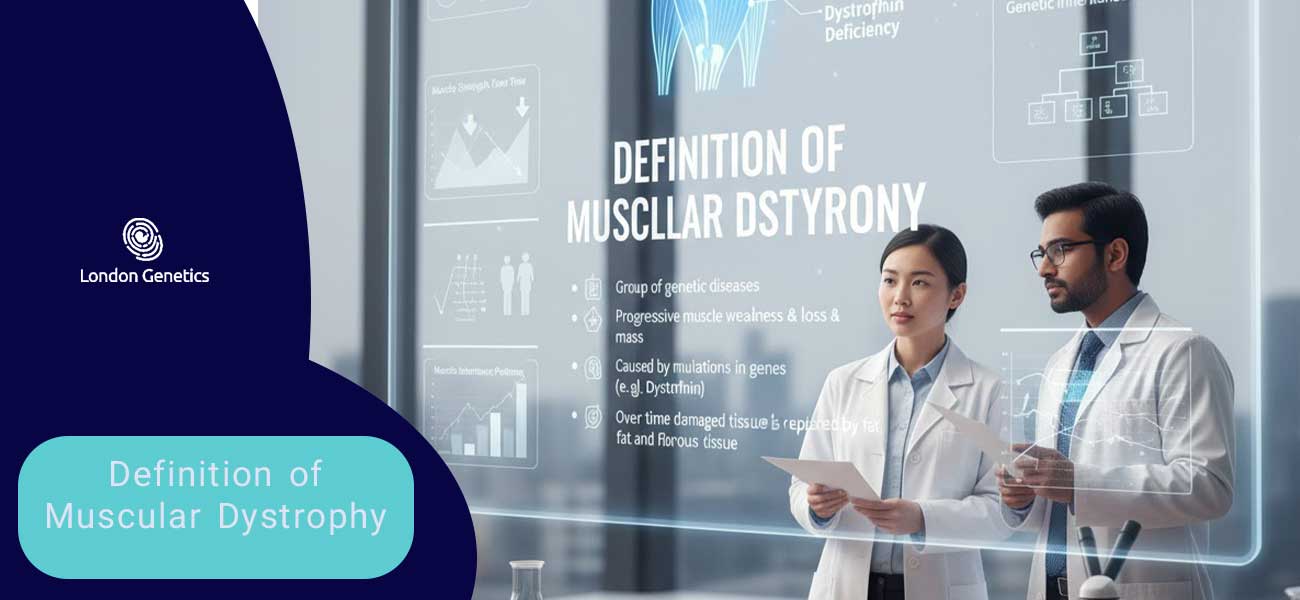
Definition of Muscular Dystrophy
Muscular dystrophy refers to a group of inherited neuromuscular disorders characterised by progressive weakness and degeneration of skeletal muscles. These conditions occur as a result of genetic mutations that interfere with the production or function of proteins essential for maintaining healthy muscle fibres. Over time, affected muscles become weaker, leading to difficulties in mobility, posture, and everyday physical activities. Although muscular dystrophy can appear at any age, several forms are particularly significant in paediatric populations.
What is Muscular Dystrophy?
Muscular dystrophy is fundamentally a genetic condition in which faults within specific genes disrupt the stability and repair of muscle tissue. In many cases, the disorder is caused by an absence or deficiency of dystrophin, a vital protein that helps protect muscle cells from damage during contraction. Without sufficient dystrophin, muscles gradually deteriorate, resulting in progressive disability. The severity, age of onset, and rate of progression vary depending on the type of muscular dystrophy and the underlying genetic mutation.
Major Types in Children (Duchenne, Becker, and Others)
Several forms of muscular dystrophy predominantly affect children, with the most notable including:
-
Duchenne Muscular Dystrophy (DMD):
The most common and severe form in childhood, caused by mutations in the DMD gene leading to a complete absence of dystrophin. Symptoms typically begin between ages two and five, and progression is rapid without intervention. -
Becker Muscular Dystrophy (BMD):
Also linked to the DMD gene but resulting in reduced or partially functional dystrophin. Onset is later than Duchenne, and the progression is significantly slower, often allowing children to maintain mobility for longer periods. -
Other Paediatric Types:
Although less common, children may also present with forms such as congenital muscular dystrophy, limb-girdle muscular dystrophy, and Emery–Dreifuss muscular dystrophy. Each has distinct genetic causes, clinical presentations, and patterns of inheritance.
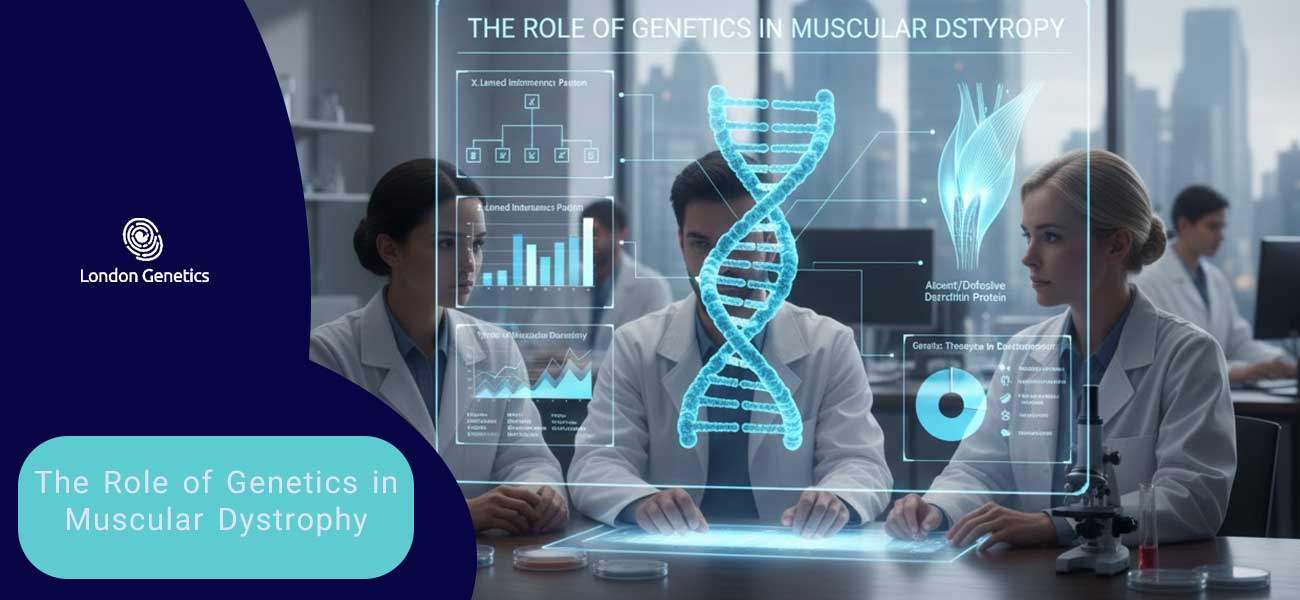
The Role of Genetics in Muscular Dystrophy
Genetics plays a central role in the development, diagnosis, and management of Muscular Dystrophy in Children. Understanding the specific genes involved, the nature of the mutations, and the patterns of inheritance is crucial for accurate diagnosis, prognosis, and family counselling.
Genes Involved (DMD and Others)
The most well-known gene associated with paediatric muscular dystrophy is the DMD gene, which encodes the dystrophin protein. Mutations in this gene are responsible for both Duchenne and Becker muscular dystrophies. Other genes are also implicated in different forms of muscular dystrophy, such as:
-
LAMA2 in certain congenital muscular dystrophies
-
SGCA, SGCB, SGCD, SGCG in various forms of limb-girdle muscular dystrophy
-
EMD in Emery–Dreifuss muscular dystrophy
Each gene mutation affects muscle function differently, leading to variability in disease severity and age of onset.
How Mutations Occur (Inherited vs De Novo)
Mutations causing muscular dystrophy may be inherited from a parent or arise de novo, meaning they occur spontaneously in the child without being present in the parents. Duchenne muscular dystrophy, for example, is often caused by de novo mutations in roughly one-third of cases, while the remainder are inherited. Understanding whether a mutation is inherited or new is important for genetic counselling and assessing the risk for future children.
Inheritance Patterns (X-linked and Others)
Many muscular dystrophies in children follow an X-linked recessive pattern, particularly Duchenne and Becker types. This means:
-
Boys (with only one X chromosome) are primarily affected.
-
Girls (with two X chromosomes) are usually carriers and may have mild symptoms.
Other forms, such as limb-girdle muscular dystrophy, may follow autosomal recessive or autosomal dominant inheritance patterns, affecting both sexes with varying severity. Recognising the inheritance pattern helps predict disease risk in siblings and future generations.
Epidemiology of Muscular Dystrophy in Children
Understanding the epidemiology of Muscular Dystrophy in children is essential for early diagnosis, resource allocation, and planning appropriate healthcare interventions.
Muscular dystrophy is a rare but significant inherited neuromuscular disorder in childhood. Duchenne muscular dystrophy (DMD) occurs in approximately 1 in 3,500–5,000 live male births, making it the most common paediatric form. Becker muscular dystrophy (BMD) and limb-girdle types are less frequent but clinically important.
Most childhood muscular dystrophies, particularly DMD and BMD, are X-linked recessive, primarily affecting boys. Girls may be carriers and usually asymptomatic, though some may show mild muscle weakness or cardiac issues. Autosomal forms, like limb-girdle types, affect both sexes equally.
Symptom onset varies by type:
- Duchenne Muscular Dystrophy (DMD): Symptoms typically appear between 2–5 years, with delayed motor milestones, frequent falls, or difficulty climbing stairs.
- Becker Muscular Dystrophy (BMD): Onset usually in late childhood/adolescence, with slower progression.
- Other forms: Congenital types evident at birth or early infancy; limb-girdle types may appear from childhood to early adulthood.
Recognising these patterns enables early identification, timely interventions, and appropriate genetic counselling for families.
Understanding epidemiology guides early care and family support.
Knowledge of prevalence, gender differences, and age of onset allows clinicians to provide timely interventions and informed genetic counselling.
Clinical Features and Manifestations
Muscular Dystrophy in Children presents with a range of clinical signs that reflect the progressive weakening of muscles. Early recognition of these features is critical for timely diagnosis, intervention, and supportive care.
Motor Features
Children with muscular dystrophy often exhibit progressive muscle weakness, particularly in the proximal muscles of the hips, pelvis, and shoulders. Common motor signs include:
-
Delayed motor milestones (e.g., late walking)
-
Difficulty running, jumping, or climbing stairs
-
Frequent falls and a waddling gait
-
Use of Gowers’ manoeuvre (using hands to push off the thighs when rising from the floor)
-
Loss of ambulation, often occurring in childhood for severe forms like Duchenne muscular dystrophy
Respiratory and Cardiac Symptoms
As the disease progresses, involvement of respiratory and cardiac muscles becomes apparent:
-
Respiratory: Reduced lung capacity, difficulty breathing, recurrent respiratory infections, and in severe cases, respiratory failure
-
Cardiac: Cardiomyopathy, arrhythmias, and heart failure may develop, especially in Duchenne muscular dystrophy
Monitoring respiratory and cardiac function is essential for prolonging life expectancy and improving quality of life.
Disease Progression
The course of muscular dystrophy varies by type:
-
Duchenne Muscular Dystrophy (DMD): Rapid progression; children may require wheelchairs by early adolescence
-
Becker Muscular Dystrophy (BMD): Slower progression; many maintain mobility into late adolescence or adulthood
-
Other forms: Congenital types may present severe weakness from birth, while limb-girdle types show variable progression
Understanding the typical trajectory of the disease helps clinicians plan interventions, physical therapy, and supportive care to optimise function and quality of life.
Genetic Diagnostic Methods in Muscular Dystrophy
Modern paediatrics relies on genetic diagnostic methods to accurately and early identify Muscular Dystrophy in children. These methods are crucial for prognosis, management, and family counselling.
 Hover over each box for more detailed information!


Genetic diagnostics = early, accurate, and personalised care.
Utilizing advanced genetic tests, biopsy data, and laboratory markers ensures timely diagnosis and optimised management for children with Muscular Dystrophy.
The Role of Genomic Medicine in Early Diagnosis
The application of Genomic Medicine in Paediatrics has transformed the early detection of Muscular Dystrophy in Children, enabling clinicians to identify at-risk individuals well before significant symptoms arise. Early diagnosis is essential for timely interventions, optimal disease management, and informed family planning.
Newborn Screening
Screening newborns for genetic markers associated with muscular dystrophy allows for the early identification of affected children. Elevated creatine kinase (CK) levels in blood tests may indicate muscle damage, prompting further genetic testing. Early detection through newborn screening facilitates prompt monitoring, physiotherapy, and the planning of potential interventions, improving long-term outcomes.
Prenatal Diagnosis (PND)
Prenatal genetic testing, or PND, can detect mutations in the foetus that may result in muscular dystrophy. Common techniques include:
-
Chorionic Villus Sampling (CVS): Conducted during the first trimester to obtain placental tissue for genetic analysis.
-
Amniocentesis: Performed in the second trimester to analyse amniotic fluid for genetic mutations.
PND provides parents with critical information, allowing for informed decision-making and early medical planning to manage potential complications.
Preimplantation Genetic Diagnosis (PGD)
PGD, used alongside in vitro fertilisation (IVF), enables embryos to be tested for specific genetic mutations before implantation. Only embryos free of the disease-causing mutation are selected for pregnancy, effectively preventing the transmission of muscular dystrophy to the next generation.
Through these genomic approaches, clinicians can detect muscular dystrophy earlier than ever before, allowing for proactive care, improved clinical outcomes, and better support for affected families.

Current Treatments and the Role of Gene Therapy
Management of Muscular Dystrophy in Children combines conventional approaches with emerging genomic therapies. While a definitive cure remains unavailable, recent advances in gene therapy and molecular techniques have opened new avenues for treatment and improved quality of life.
Standard Treatments (Physiotherapy, Medications)
Conventional management focuses on maintaining mobility, preserving muscle strength, and managing complications. Key interventions include:
-
Physiotherapy: Regular exercises help maintain muscle function, prevent contractures, and improve posture and mobility.
-
Medications: Corticosteroids, such as prednisone and deflazacort, can slow the progression of muscle weakness, while other drugs may address cardiac or respiratory complications.
-
Supportive care: Orthopaedic interventions, respiratory support, and cardiac monitoring are essential components of standard care.
Gene Therapy in Muscular Dystrophy
Gene therapy aims to correct or compensate for the underlying genetic defect causing muscular dystrophy. Techniques include introducing functional copies of the dystrophin gene or modifying faulty genes to restore protein function. While still in development, these therapies hold the promise of disease-modifying treatment rather than solely symptom management.
Exon Skipping Techniques
Exon skipping is a molecular approach that allows the cellular machinery to “skip” over faulty exons in the DMD gene, producing a shortened yet partially functional dystrophin protein. Drugs such as Eteplirsen and Ataluren use this strategy, particularly for specific mutations, to slow disease progression and improve muscle function.
Emerging Therapies Under Research
Ongoing research is exploring several innovative strategies, including:
-
CRISPR/Cas9 gene editing to directly correct mutations
-
Stem cell therapy to regenerate damaged muscle tissue
-
Novel pharmacological agents targeting molecular pathways involved in muscle degeneration
These cutting-edge therapies, although largely experimental, represent a promising future for the treatment of Muscular Dystrophy in Children.
Conclusion: Genetic Insights in Muscular Dystrophy
The study and application of genetics are pivotal in managing Muscular Dystrophy in children, enabling early and accurate diagnosis, informed treatment strategies, and improved long-term care.
By integrating genetic testing, newborn screening, and prenatal or preimplantation diagnostics, clinicians can identify at-risk individuals before severe symptoms develop. Emerging therapies such as gene therapy and exon skipping provide promising avenues for disease-modifying interventions.
Understanding the genetic basis of muscular dystrophy guides personalised care and clinical management, while empowering families with crucial information for planning and decision-making.
Continued research in genomic medicine is expected to further enhance outcomes and quality of life for children living with this challenging condition.
Take action – consult with our expert team for personalised guidance, genetic testing advice, and professional support to optimise care and management for children with Muscular Dystrophy.