Introduction
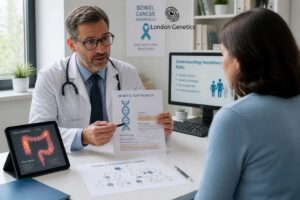
Genomic screening has emerged as a transformative tool in modern medicine, enabling the early identification of genetic variants associated with disease risk across populations. By systematically analysing genomic information, genomic screening allows for the detection of individuals and groups at increased susceptibility to both rare and common conditions, often before clinical symptoms arise. Advances in sequencing technologies and bioinformatics have made large-scale genomic screening increasingly feasible within healthcare systems.
In the context of modern healthcare, population health has become a central focus, shifting attention from individual-level treatment towards strategies that improve health outcomes across entire communities. Population health approaches seek to reduce disease burden, address health inequalities, and optimise the allocation of healthcare resources. Integrating genomic screening into population health frameworks offers a powerful opportunity to identify at-risk subpopulations, inform targeted interventions, and enhance disease prevention at scale.
Preventative medicine occupies a pivotal position within public health, emphasising the prevention of disease rather than its treatment. Through primary, secondary, and tertiary prevention strategies, preventative medicine aims to reduce morbidity, mortality, and healthcare costs. Genomic screening strengthens preventative medicine by enabling early disease detection, personalised risk stratification, and proactive health interventions informed by genetic susceptibility.
The rapid expansion of genomic research has further accelerated the translation of genetic discoveries into public health applications. As evidence continues to grow, genomic screening is increasingly recognised as a key component of precision public health, bridging the gap between molecular science and population-level prevention.
The aim of this article is to explore the role of genomic screening in advancing population health and preventative medicine. Specifically, it examines current technologies, applications across major disease areas, ethical and policy considerations, and future directions for integrating genomic screening into population-based prevention strategies.
Overview of Genomic Screening Technologies
Modern genomic screening technologies provide powerful tools for integrating genetics into population health strategies.
These technologies enable the identification of at-risk individuals and subpopulations, supporting targeted preventive interventions and improving overall community health outcomes.
NGS allows rapid and simultaneous sequencing of millions of DNA fragments with high accuracy.
It enables cost-effective analysis of genetic variation across entire genomes,
forming the backbone of modern population-based genomic screening initiatives.
Whole Genome Sequencing (WGS) captures nearly all genetic variation across an individual’s genome for comprehensive risk assessment.
Whole Exome Sequencing (WES) focuses on protein-coding regions, which comprise 1–2% of the genome but contain most known disease-causing variants.
The choice between WGS and WES depends on clinical objectives, balancing coverage, cost, and interpretability.
Large-scale genomic screening programs are integrating genomic data into national health services.
These programs aim to identify high-risk individuals for conditions such as hereditary cancers, cardiovascular diseases, and rare disorders,
enabling early intervention and personalised prevention strategies.
Genomic screening technologies have become more affordable, but large-scale implementation requires evaluation of cost-effectiveness and infrastructure.
Ensuring equitable access is critical to prevent widening health disparities
and to maximise the benefits of genomic screening at the population level.
Key Takeaway:
Advances in genomic screening, including NGS, WGS, and WES, enable the translation of genetic research into actionable public health strategies.
Integrating these technologies into population-level programmes strengthens preventive medicine,
improves early detection of high-risk individuals, and enhances overall community health outcomes.
Genomic Screening and Population Health
Genomic screening has the potential to significantly enhance population health by shifting the focus from reactive treatment to proactive disease prevention. By identifying genetic risk factors across large groups, healthcare systems can implement targeted interventions that benefit entire communities, rather than addressing diseases only after they manifest.
The Role of Genomics in Advancing Population Health
Genomic insights provide valuable information about susceptibility to a wide range of diseases, from cardiovascular conditions to hereditary cancers. Incorporating genomic screening into public health frameworks allows for early identification of at-risk individuals, enabling interventions such as lifestyle modification, pharmacological prevention, and enhanced surveillance. This approach can substantially reduce the overall burden of disease within a population, improving both longevity and quality of life.
Individual-Centred vs. Population-Centred Approaches
While traditional medicine often emphasises individual-level care, population health strategies aim to optimise outcomes at a community level. Genomic screening bridges these approaches by allowing individual risk profiles to inform broader public health policies. For instance, identifying high-risk subgroups within a population can guide resource allocation, screening priorities, and preventative measures tailored to the needs of the community.
Identifying High-Risk Groups at the Population Level
Population-scale genomic programmes enable the stratification of individuals into risk categories based on their genetic profiles. High-risk groups can be prioritised for interventions such as enhanced monitoring, early diagnostics, or preventive therapies. This stratification not only improves patient outcomes but also maximises the efficiency of public health programmes.
Reducing Disease Burden
By detecting genetic vulnerabilities before clinical onset, genomic screening has the potential to lower the incidence and severity of disease across populations. Early interventions informed by genomic data contribute to reduced hospitalisation rates, decreased healthcare costs, and a more resilient public health system. Ultimately, the integration of genomic screening into population health strategies strengthens preventative medicine and moves healthcare towards a more predictive and precision-focused paradigm.
Role of Genomic Screening in Preventative Medicine
Genomic screening is a cornerstone of modern preventative medicine.
By identifying genetic susceptibilities before clinical symptoms appear, it enables interventions across primary, secondary, and tertiary prevention levels.

Hover over each box to explore how genomic screening supports disease prevention, early detection, and personalised risk management.

Individuals with high genetic susceptibility can receive personalised lifestyle advice,
vaccination strategies, or chemopreventive interventions to reduce the likelihood of disease development.

Genomic insights enable surveillance and diagnostic testing to detect hereditary cancers or other disorders at an early, treatable stage.

Genetic information guides personalised treatment plans, helps reduce complications, and improves long-term outcomes for established diseases.

PRS combine multiple genetic variants to estimate disease susceptibility,
enabling precise risk prediction and targeted interventions at both individual and population levels.
Key Takeaway:
Genomic screening supports preventative medicine by enabling primary, secondary, and tertiary interventions.
Risk stratification and polygenic risk scores allow personalised strategies for early detection,
proactive treatment, and population-level disease prevention.
Integrating these tools bridges genomic science with actionable public health and clinical care.
Applications in Major Disease Areas
Genomic screening has diverse applications across major disease areas, providing opportunities to enhance population health through targeted prevention and early intervention. By identifying genetic susceptibilities and risk factors, healthcare systems can prioritise resources and implement personalised strategies at both individual and population levels. Below, we outline key disease areas where genomic screening is particularly impactful.
| Disease Area | Role of Genomic Screening | Impact on Population Health |
|---|---|---|
| Cardiovascular Diseases | Identification of pathogenic variants related to heart disease, cholesterol metabolism, and blood pressure regulation. | Enables early lifestyle interventions, pharmacological prevention, and reduction in cardiovascular morbidity and mortality. |
| Cancers | Detection of hereditary cancer syndromes (e.g., BRCA1/2, Lynch syndrome) through germline testing. | Early screening and risk-reducing interventions improve survival and reduce disease burden across populations. |
| Diabetes & Metabolic Disorders | Identification of genetic variants associated with Type 2 diabetes, obesity, and lipid metabolism. | Supports personalised prevention programmes, including diet, exercise, and monitoring, reducing population-level prevalence and complications. |
| Rare Genetic Diseases | Whole exome and genome sequencing detect rare pathogenic mutations. | Facilitates early diagnosis, tailored management, and counselling, reducing long-term morbidity and improving quality of life. |
| Infectious Diseases (Genomic Surveillance) | Sequencing of pathogens and host susceptibility genes to track outbreaks and vaccine response. | Supports public health measures, outbreak prevention, and informed vaccination strategies to enhance community-level protection. |
Cardiovascular Diseases
Genomic screening identifies individuals at elevated genetic risk for cardiovascular events, enabling proactive interventions such as statin therapy, blood pressure management, and lifestyle modifications. Integrating these findings into population health programmes can significantly reduce the incidence and mortality associated with cardiovascular disease.
Cancers
Hereditary cancer syndromes can be detected before clinical onset, allowing for early surveillance, prophylactic measures, and precision therapies. Population-level implementation of such screening programmes contributes to reducing cancer-related morbidity and mortality.
Diabetes and Metabolic Disorders
Genetic risk profiling can identify individuals predisposed to Type 2 diabetes and related metabolic disorders. Early interventions, including personalised diet, exercise regimens, and monitoring, can mitigate disease development and complications at the community level.
Rare Genetic Diseases
Whole genome and exome sequencing facilitate the diagnosis of rare diseases that are often missed in conventional clinical care. Early identification enables timely management, genetic counselling, and population health planning to address the burden of rare disorders.
Infectious Diseases (Genomic Surveillance)
Pathogen sequencing and host genomic analysis support the monitoring of infectious disease outbreaks, identification of vulnerable populations, and optimisation of vaccination strategies. This approach exemplifies the integration of genomic research into public health interventions, strengthening population-level disease prevention.
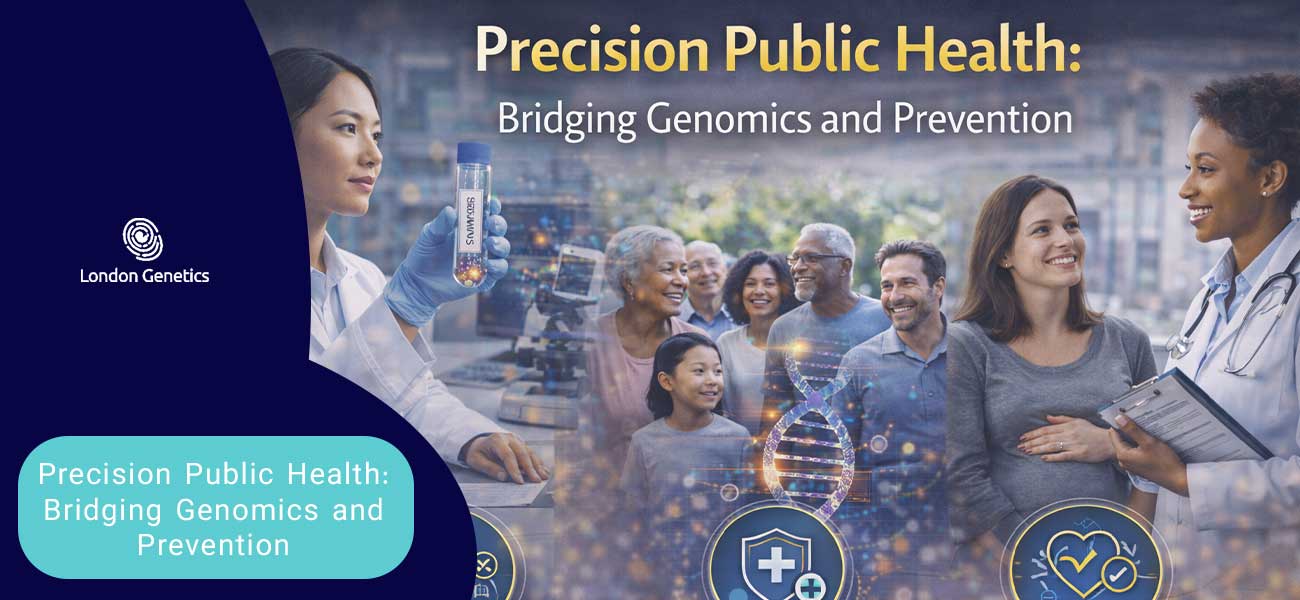
Precision Public Health: Bridging Genomics and Prevention
Precision Public Health (PPH) represents a modern paradigm in which genomic data, epidemiological insights, and advanced analytics converge to optimise population health outcomes. Unlike traditional public health strategies that often apply uniform interventions across entire populations, PPH leverages individual-level genetic and environmental information to design targeted, evidence-based interventions for specific subpopulations.
Concept of Precision Public Health
PPH extends the principles of precision medicine to the community level, integrating genomics into public health decision-making. By identifying high-risk groups through genetic screening, healthcare systems can implement interventions that are both efficient and effective, maximising health benefits while minimising unnecessary treatments or costs.
Integrating Genomic Data with Epidemiological Insights
The integration of genomic research findings with epidemiological data allows for a more nuanced understanding of disease risk within populations. By mapping genetic susceptibilities alongside lifestyle, environmental exposures, and demographic factors, public health programmes can stratify risk more accurately, prioritising interventions where they are most needed.
Role of Artificial Intelligence and Big Data
Advanced computational tools, including Artificial Intelligence (AI) and Big Data analytics, are essential in operationalising PPH. Machine learning models can analyse large genomic datasets alongside population health indicators to predict disease risk, identify emerging health threats, and optimise resource allocation. These technologies enable dynamic, real-time public health decision-making, moving beyond static guidelines.
Designing Targeted Interventions
By combining genomic risk profiles with environmental and behavioural data, PPH facilitates the design of targeted interventions. Examples include prioritised screening for high-risk groups, personalised lifestyle recommendations, and population-level vaccination strategies. This approach ensures that preventative measures are precise, equitable, and cost-effective, ultimately strengthening the impact of genomic screening on population health.
Conclusion: Genomic Screening for Population Health
Genomic screening has become a transformative tool in population health, enabling early disease detection,
risk stratification, and personalised interventions.
By applying genomic insights across cardiovascular, cancer, metabolic, and rare genetic conditions,
healthcare systems can proactively reduce morbidity, mortality, and associated costs.
Key benefits of integrating genomic screening include:
- Identifying high-risk individuals and subpopulations before symptoms develop
- Designing targeted, effective, and equitable prevention strategies
- Supporting personalised interventions tailored to genetic risk profiles
- Shifting healthcare from reactive treatment to proactive prevention
Strategic Implementation:
– Invest in population-scale genomic screening programmes and research.
– Leverage advanced analytics, Big Data, and AI to enhance precision and efficiency.
– Integrate genomic data into public health policy for actionable, community-level interventions.
Why This Matters:
Genomic screening bridges scientific discovery with practical public health action.
It strengthens preventative medicine, reduces disease burden,
and empowers communities with actionable health insights.
Strategic adoption ensures equitable benefits and improved health outcomes globally.
Your Next Step:
Consult with a genomic medicine specialist to explore population- or individual-level screening options,
interpret results, and develop personalised prevention strategies
that align with your healthcare goals.