Introduction
Targeted Drug Design refers to a modern and highly specialised approach within pharmaceutical science in which medicines are developed to interact with specific molecular targets, such as receptors, enzymes, or genetic markers, that are directly involved in the progression of a particular illness. Rather than relying on traditional trial-and-error methods, this strategy focuses on understanding the biological mechanisms of disease in order to produce treatments that are far more precise, effective, and safer for patients.
The importance of Targeted Drug Design in contemporary medicine is substantial. It enables the development of therapies that minimise side effects, improve treatment response, and support the concept of personalised medicine, where drugs can be tailored to an individual’s unique biological profile. As our understanding of genetics, proteomics, and cellular behaviour continues to advance, the role of targeted therapies becomes increasingly crucial.
Furthermore, the global burden of common diseases such as cancer, diabetes, cardiovascular disorders, Alzheimer’s disease, and depression remains profound, both clinically and economically. These conditions account for the majority of worldwide morbidity and mortality, placing immense pressure on healthcare systems and societies. Therefore, advancing Targeted Drug Design provides a promising pathway towards improved therapeutic outcomes and enhanced quality of life on a global scale.
Overview of Common Diseases
Common chronic and progressive diseases remain a major global health concern, highlighting the importance of Targeted Drug Design for modern therapeutic strategies. These conditions involve complex mechanisms, often including genetic, metabolic, and environmental factors.
Cancer is characterised by uncontrolled cell growth and genetic mutations, making it a prime focus for molecularly targeted therapies aimed at improving precision and outcomes.
Type 2 Diabetes affects millions globally, involving metabolic dysregulation and long-term organ damage, underlining the need for personalised interventions and targeted drug therapies.
Alzheimer’s disease leads to progressive neurodegeneration and abnormal protein accumulation in the brain, creating significant challenges in developing effective targeted treatments.
Depression is a widespread mental health disorder with multifactorial causes, including neurotransmitter imbalance, genetic predisposition, and psychosocial factors, making it a candidate for receptor-specific and personalised therapies.
Cardiovascular conditions, including hypertension and coronary artery disease, are leading causes of mortality worldwide. They are influenced by lifestyle, inflammation, and genetic susceptibility, making targeted drug design crucial for effective management.
Targeted Drug Design offers precision in tackling complex diseases.
By understanding the mechanisms and risk factors of chronic conditions, therapies can be tailored to improve efficacy, reduce side effects, and enhance patient outcomes.
Principles of Targeted Drug Design
Incorporating Pharmacogenomics for Precision Therapy
Targeted Drug Design is founded upon several key principles that aim to create therapies with high specificity, efficacy, and safety. At its core lies molecular targeting, where drugs are engineered to interact precisely with specific molecules, such as enzymes, receptors, or signalling proteins, which play a pivotal role in the progression of a disease. This ensures that therapeutic effects are maximised while minimising unwanted side effects on healthy tissues.
Another crucial aspect is the use of biomarkers and receptor specificity. Biomarkers are measurable indicators of disease presence or progression, and understanding receptor distribution and structure allows drugs to be tailored to bind selectively, enhancing therapeutic precision. This approach is particularly important in conditions such as cancer or Alzheimer’s disease, where heterogeneity of cells and tissues can greatly influence treatment outcomes.
The integration of genomics, proteomics, and pharmacogenomics has become increasingly significant in Targeted Drug Design. Pharmacogenomics, the study of how genetic variations influence an individual’s response to drugs, allows therapies to be personalised based on a patient’s unique genetic profile. Genomic information identifies genetic variants affecting drug metabolism or efficacy, proteomics analyses the functional proteins involved, and artificial intelligence (AI) assists in predicting drug-target interactions, optimising molecular structures, and accelerating drug discovery processes.
Finally, understanding drug-receptor interaction mechanisms is fundamental. This involves examining how drugs bind to their targets, the resulting conformational changes, and downstream cellular effects. Insight into these mechanisms enables researchers to design molecules that are not only effective but also exhibit predictable pharmacokinetics and pharmacodynamics.
Through these principles and the incorporation of Pharmacogenomics, Targeted Drug Design provides a rational and systematic approach to developing modern therapeutics that are precise, personalised, and capable of addressing complex diseases.
Technologies and Methods in Targeted Drug Design
The advancement of Targeted Drug Design relies on a variety of cutting-edge technologies and methodologies that accelerate drug discovery and improve therapeutic precision.
 Hover over each box for more detailed information!


Cutting-edge technologies = faster, precise, and effective therapeutics.
Integrating computational modelling, structure-based strategies, nanotechnology, and biological therapies forms the backbone of next-generation targeted drug design.
Case Studies
To illustrate the practical application and impact of Targeted Drug Design, several prominent examples across common diseases can be highlighted:
1. Targeted Cancer Therapies
In oncology, therapies such as HER2 inhibitors (e.g., trastuzumab) and EGFR inhibitors (e.g., erlotinib) exemplify targeted approaches. By specifically interacting with molecular markers overexpressed on cancer cells, these drugs can inhibit tumour growth while sparing healthy tissues, demonstrating the precision and efficacy of Targeted Drug Design.
2. Insulin Analogs and GLP-1 Agonists in Diabetes
For diabetes management, insulin analogs have been engineered to mimic physiological insulin activity more closely, allowing for improved glucose control. Similarly, GLP-1 receptor agonists target specific pathways involved in glucose metabolism and appetite regulation, reducing complications and improving patient outcomes.
3. Beta-Amyloid Targeting in Alzheimer’s Disease
In Alzheimer’s disease, drugs targeting beta-amyloid plaques aim to reduce the accumulation of neurotoxic proteins in the brain. This approach illustrates how Targeted Drug Design can address the underlying pathology of neurodegenerative conditions rather than merely alleviating symptoms.
4. SSRIs and Receptor-Specific Antidepressants
In depression, selective serotonin reuptake inhibitors (SSRIs) and other receptor-specific antidepressants provide targeted modulation of neurotransmitter systems. These therapies offer more predictable efficacy and fewer side effects compared to non-specific treatments.
5. Statins and PCSK9 Inhibitors for Cardiovascular Diseases
In cardiovascular medicine, statins reduce cholesterol synthesis, while PCSK9 inhibitors target specific proteins involved in lipid regulation. Both demonstrate how molecularly focused interventions can lower cardiovascular risk and improve long-term outcomes.
These case studies highlight the transformative potential of Targeted Drug Design across a wide spectrum of diseases, emphasising its role in improving precision, reducing adverse effects, and enhancing patient-centred care.
Advantages and Limitations
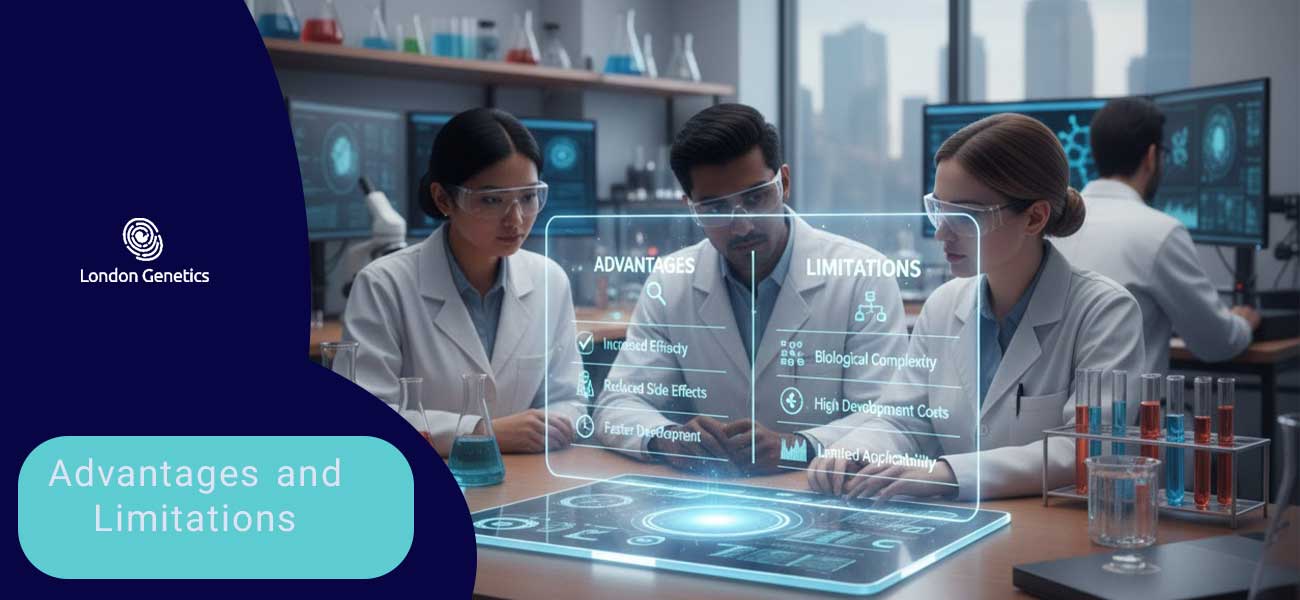
Targeted Drug Design offers several notable advantages that have transformed modern therapeutics. Firstly, it provides higher efficacy and reduced side effects compared to traditional, non-specific treatments. By precisely interacting with disease-related molecules, drugs can achieve their intended effects while minimising unintended interactions with healthy tissues, thereby improving patient safety and treatment outcomes.
Secondly, the potential for personalised medicine is a key benefit. Targeted Drug Design enables therapies to be tailored to an individual’s genetic, proteomic, and metabolic profile, allowing for more effective treatment strategies that account for inter-individual variability in drug response. This approach represents a significant step towards truly personalised healthcare.
However, there are also limitations and challenges associated with targeted therapies. Cost and accessibility remain major barriers, as the development and production of highly specific drugs often involve expensive technologies and specialised infrastructure. Additionally, ethical concerns arise regarding equitable access, the use of genetic information, and potential unintended consequences of manipulating molecular pathways. These issues must be carefully considered to ensure that the benefits of Targeted Drug Design are maximised without exacerbating social or economic disparities.
Overall, while Targeted Drug Design holds immense promise for improving therapeutic precision and patient outcomes, it requires a balanced consideration of both its advantages and inherent challenges.
Conclusion: Implications of Targeted Drug Design
Targeted Drug Design represents a transformative approach in modern therapeutics, integrating molecular targeting, biomarker identification, pharmacogenomics, and advanced technologies such as AI and proteomics.
These principles enable the development of therapies that are highly specific, effective, and personalised, maximising therapeutic benefits while minimising adverse effects. Targeted Drug Design is becoming increasingly important as the global burden of complex diseases—including cancer, diabetes, Alzheimer’s disease, depression, and cardiovascular disorders—continues to rise.
From both research and clinical perspectives, Targeted Drug Design provides a rational framework for drug discovery and patient care. It emphasises integrating genetic, proteomic, and molecular data into therapy development, highlighting the potential of precision medicine to improve patient outcomes.
Continued investment in targeted and personalised therapeutics promises more effective treatments and advances patient-centred healthcare worldwide.
Take action – consult with our expert team for personalised guidance, insights on targeted therapies, and professional support to optimise treatment strategies in modern medicine.