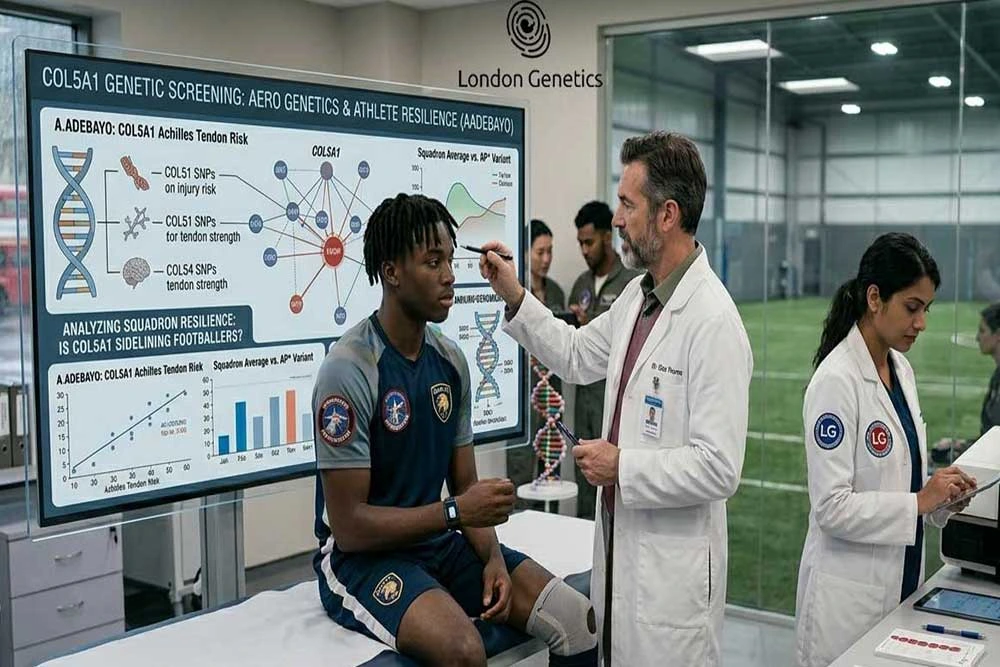
The World Cup Heartbreak: When Elite Footballers Face Sudden Tears
The FIFA World Cup represents the absolute pinnacle of a professional footballer’s career, a magnificent global stage where years of relentless training culminate in ultimate sporting drama. Yet, behind the bright stadium lights and the roaring crowds lies a recurring, heartbreaking narrative that routinely sidelines the world’s finest athletes. Just days before the opening whistle blows, or mere minutes into a crucial group-stage match, a sudden, non-contact change of direction can result in a devastating soft-tissue tear. For an elite player, this single moment of physical failure shatters a lifelong dream, transforming a potential tournament hero into a spectator in an orthopedic clinic. These agonizing withdrawals leave national squads scrambling, tactical plans ruined, and millions of passionate supporters wondering why certain athletes break down under pressure while others appear entirely indestructible.
Historically, these catastrophic ligament and tendon failures were dismissed as moments of sheer bad luck, severe pitch conditions, or the inevitable consequence of a grueling domestic season. However, modern sports science has looked past these superficial explanations to reveal that a player’s underlying biology dictates their structural durability. While high-intensity training and optimal recovery are vital, an athlete’s baseline vulnerability to severe soft-tissue trauma is heavily governed by their unique DNA. This critical intersection of biology and athletic durability is precisely why the field of Fitness & Performance Genetics has become an indispensable asset for top-tier football clubs globally. By analyzing an individual’s molecular blueprint, sports scientists can now uncover hidden physiological traits that traditional physiological assessments completely miss.
At the very center of this modern genomic revolution in sport is the study of structural matrix integrity, specifically governed by the COL5A1 gene. This crucial genetic marker provides the definitive instructions for synthesizing type V collagen, a specialised structural protein that acts as the primary architectural framework within human tendons and ligaments. When elite footballers push their bodies to the absolute limit during high-stakes international tournaments, the mechanical stress placed upon these collagen fibres is immense. Variations within the COL5A1 gene directly influence whether an athlete’s connective tissues are naturally robust and resilient, or dangerously prone to micro-tears under sudden athletic strain. Understanding the role of the COL5A1 gene changes how we view World Cup injuries, proving that preventing a tournament-ending heartbreak begins long before a player steps onto the pitch, hidden deep within their genetic code.
What is the COL5A1 Gene? Architect of the Footballer’s Structural Shield
To understand why some footballers can withstand brutal tackles and explosive sprints while others succumb to sudden soft-tissue injuries, one must look at the structural matrix of the human body. Every tendon, ligament, and joint capsule relies on a highly organised network of structural proteins to absorb mechanical shock and maintain joint stability. The biological architect responsible for managing this structural shielding is the COL5A1 gene.
The underlying philosophy of modern high-performance sports medicine lies in replacing standard physical endurance tracking with strategic genomic foresight. Analysing how inherited connective tissue markers interact with physical mechanical load allows medical teams to eliminate historical trial-and-error conditioning. Mapping these specific COL5A1 traits transforms abstract digital DNA sequencing into an unshakeable, personalised blueprint for elite athlete safety and ultimate structural readiness.
The DNA Behind the Dreaded ACL Tear: How the COL5A1 Gene Influences Risk
In the high-intensity environment of modern football, few phrases strike greater fear into the hearts of players and managers than “anterior cruciate ligament (ACL) tear”. An ACL rupture, alongside severe Achilles tendon pathology, represents the dark side of professional sport, routinely requiring complex surgical reconstruction and a gruelling, nine-month rehabilitation process. While collision-based contact injuries are a predictable risk on the pitch, clinical research indicates that the majority of these catastrophic soft-tissue failures occur completely in isolation, without any direct impact from an opponent. Instead, the root cause lies within a player’s structural mechanics and their underlying genomic profile, where variations in the COL5A1 gene act as a major predisposing factor for ligament failure.
The biological link between the COL5A1 gene and ligament resilience is found in how the body repairs and maintains its internal connective tissues. The ACL and Achilles tendon are subjected to immense, repetitive loading forces during a ninety-minute match, requiring a delicate balance of cellular elasticity and tensile strength. Specific variations within the COL5A1 gene—most notably the C-to-T single nucleotide polymorphism (SNP) known as rs12722—directly alter the cellular blueprint for collagen synthesis. Individuals carrying the high-risk genetic variant produce connective tissues with a compromised macromolecular layout. When a footballer possessing this high-risk COL5A1 gene profile executes a repetitive sequence of high-velocity movements, their tendons and ligaments are structurally less capable of absorbing the sheer stress, significantly elevating their statistical probability of suffering an acute tissue rupture.
Understanding Non-Contact Soft Tissue Injuries on the Pitch
To truly grasp the clinical importance of the COL5A1 gene in a footballer’s career, one must look closely at the precise biomechanics of non-contact soft-tissue injuries. These injuries typically happen in a fraction of a second, during routine movements that elite players execute thousands of times throughout a domestic season.
-
The Mechanics of Sudden Deceleration: When a player rapidly drops their speed to track an opponent, the entire kinetic force of their body weight is transferred through the knee joint and Achilles tendon. If the COL5A1 gene has dictated a weaker, less organized collagen matrix, the tissue can fail under the sudden mechanical load, leading to an immediate structural tear.
-
Rapid Directional Changes and Pivoting: Cutting, pivoting, or spinning on a high-traction grass pitch puts immense rotational torque on the ACL. For athletes with a high-risk variant of the COL5A1 gene, the ligament lacks the natural micro-elasticity needed to stretch and recover from this twisting force, causing the collagen fibres to snap under the rotational strain.
-
The Micro-Trauma Accumulation Pathway: Non-contact tissue failures are rarely completely random events; they are often the final result of chronic micro-trauma. A vulnerable COL5A1 gene profile means that the microscopic tears caused by normal training do not heal perfectly, leaving the tendon progressively weaker until a routine step results in a full-thickness rupture.
Striking the Balance: Flexibility vs. Stiffness in Professional Football
In the elite realms of professional football, physical performance is a game of fine margins, where an athlete’s body must serve as both an explosive engine and a resilient shock absorber. At the core of this physiological balancing act is the mechanical concept of tendon stiffness versus flexibility, heavily dictated by variants within the COL5A1 gene structure.
 Deep COL5A1 genotyping reveals the hidden biological trade-offs between explosive physical acceleration and structural tissue failure.


Analysing the mechanical traits behind connective tissue resilience reveals that injury vulnerability is highly predictable. By replacing outdated trial-and-error training protocols with advanced molecular screening frameworks, elite clubs can accurately categorise individual COL5A1 thresholds, ensuring maximum pitch performance and personalised squad safety long before an acute rupture occurs.
Beyond Luck: Why Some Squads Are More Vulnerable to World Cup Fatigue
A standard domestic football season allows players a predictable rhythm of recovery, usually featuring a clear week between matches to heal micro-trauma and restore cellular equilibrium. The tournament structure of a World Cup completely shatters this routine. Teams are forced to play high-intensity, knockout matches every few days, often compounded by long-distance travel, shifting climates, and the psychological pressure of representing a nation. In this exhausting environment, physical fatigue accumulates at an exponential rate. When a squad suffers a sudden wave of soft-tissue failures during the later stages of a tournament, it is rarely due to poor luck or an inadequate medical staff. Instead, it represents the exact moment where systemic exhaustion and a high-risk COL5A1 gene profile combine to create a structural breaking point.
Fatigue directly alters how an athlete’s neuromuscular system protects their joints. During the early minutes of a match, fresh muscles absorb the brunt of landing and pivoting forces, shielding the underlying connective tissues from excessive stress. However, as deep physical exhaustion sets in, fatigued muscles lose their firing efficiency, transferring the massive mechanical workload directly onto the tendons and ligaments. For a footballer with a high-risk variant of the COL5A1 gene, this shift is uniquely dangerous. Because their DNA has already dictated a less organized, less resilient type V collagen matrix, their structural tissues possess almost no margin for error when forced to bear this extra physical burden, causing the collagen fibers to degrade rapidly under continuous strain.
This biological vulnerability explains why certain squads appear completely devastated by a congested tournament schedule while other teams maintain a healthy, intact roster all the way to the final match:
-
The Failure of Cellular Repair: Under normal conditions, the body initiates a repair cycle to heal the microscopic tears that occur in tendons during a match. However, the continuous strain of a tournament combined with a high-risk COL5A1 gene profile slows this recovery process down, meaning players enter subsequent matches with progressively weaker, unhealed connective tissues.
-
Compounded Biomechanical Strain: As a player’s core muscles grow tired, their running gait and landing mechanics naturally deteriorate. This poor movement pattern creates irregular torque and uneven loading across the joints, pushing a structurally vulnerable COL5A1 gene matrix far past its safe physiological limits.
-
The Invisible Tipping Point: Ultimately, World Cup fatigue acts as a catalyst that exposes an athlete’s hidden genetic risks. A footballer might navigate an entire domestic season safely, only to have their structural integrity completely fail under the relentless, multi-match pressure of an international tournament because their COL5A1 gene profile lacks the structural capacity to handle accumulated physical exhaustion.
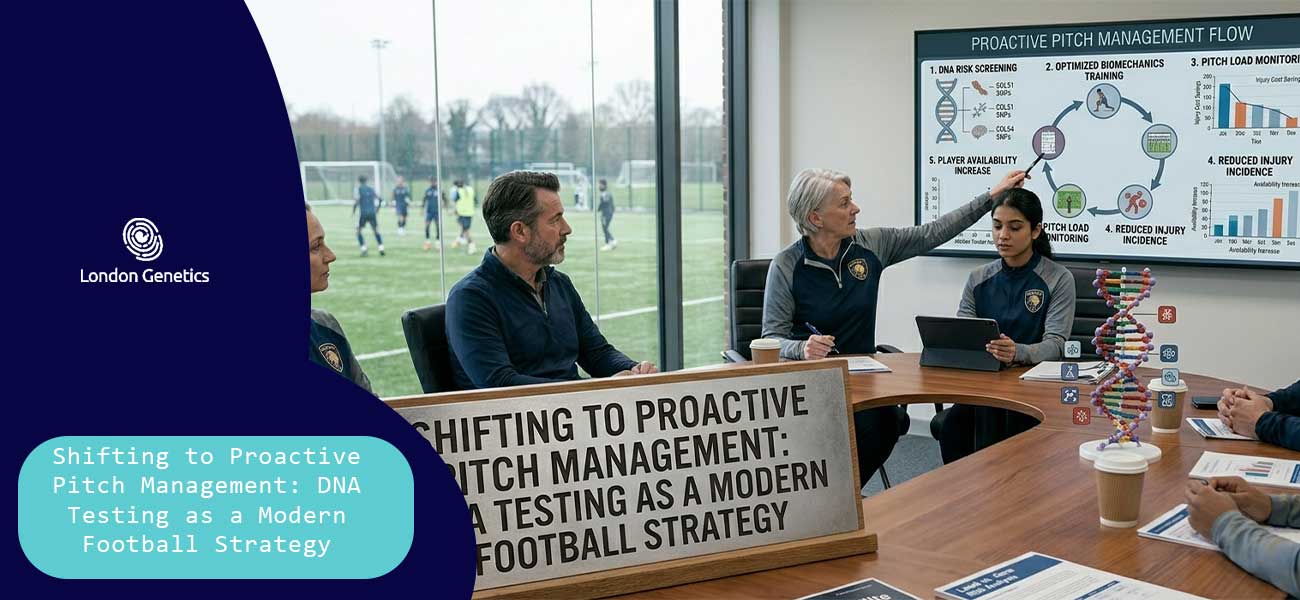
Shifting to Proactive Pitch Management: DNA Testing as a Modern Football Strategy
In the multi-billion-pound industry of modern football, player availability is a club’s most valuable asset. Losing a star player to a long-term soft-tissue injury not only ruins tactical plans on the pitch but also represents a massive financial disaster in terms of medical costs and wasted wages. Because the stakes are so high, elite clubs are completely abandoning traditional, reactive medical models that only step in after an injury has occurred. Instead, forward-thinking medical staffs and elite athletes are turning to advanced predictive genomics as a core defensive strategy. By integrating comprehensive DNA testing into their routine medical assessments, clubs can identify a player’s structural vulnerabilities long before they ever step onto a high-pressure World Cup pitch.
Using DNA profiling to analyze key structural markers, such as the COL5A1 gene, allows sports medicine teams to look directly at an athlete’s cellular foundation. Instead of waiting for a tendon to show signs of inflammation or structural wear on an ultrasound, genetic screening reveals the baseline quality of the player’s collagen matrix from day one. This shifting approach turns injury prevention from a guessing game into a highly precise, data-driven science. Discovering that a player carries a high-risk variant of the COL5A1 gene is no longer seen as a competitive disadvantage; rather, it is viewed as an invaluable early warning system that allows clinicians to step in and rewrite the player’s physical future.
Translating a High-Risk COL5A1 Profile into a Custom Injury-Prevention Plan
The true clinical power of identifying a high-risk COL5A1 gene profile lies in the ability to convert abstract genetic data into a practical, daily routine on the training ground. Knowing a player has a genetic risk is only the first step; the real magic happens when you use that knowledge to build a highly tailored preservation roadmap.
-
Designing Target-Specific Biomechanical Training: If genetic profiling reveals a vulnerable COL5A1 gene matrix, sports scientists can instantly modify the player’s gym routine. They introduce specialized eccentric loading exercises and proprietary balance protocols specifically designed to strengthen the Achilles tendon and stabilize the knee joint, counteracting their natural genetic risks.
-
Customising Rest and Tournaments Rotations: A high-risk COL5A1 gene profile means an athlete’s connective tissues take longer to heal from micro-trauma. Medical staffs use this data to carefully manage playing minutes, ensuring that genetically vulnerable players receive extra recovery time and targeted therapies between matches to prevent tissue breakdown.
-
Tailoring Nutritional Support for Collagen Synthesis: DNA insights allow sports nutritionists to design highly specific dietary interventions. Players with a compromised COL5A1 gene layout can be placed on precise supplement protocols—including specific doses of hydrolyzed collagen and vitamin C timed perfectly before training sessions—to actively support and boost the body’s natural tissue-repair mechanisms.
Conclusion: Rewriting a Footballer’s Destiny Through Genetic Insights
The high-stakes drama of elite football will always be defined by moments of pure athletic genius, but as modern sports science advances, we must accept that a player’s availability on the pitch is not merely a matter of chance. The traditional view that devastating soft-tissue ruptures are down to sheer bad luck is rapidly fading. The microscopic architecture regulated by the COL5A1 gene forms the literal boundary between a long, legendary career and a heartbreaking cycle of severe structural injuries.
Relying on traditional reactive treatment means leaving an athlete’s physical durability and pitch availability completely to chance. Advanced genetic mapping represents the next great leap in high-performance sports medicine, allowing clubs, coaches, and athletes to transition from an outdated medical model to an absolute proactive shield tailored carefully to individual biological limits.
Book Your Consultation with Dr Karimiani