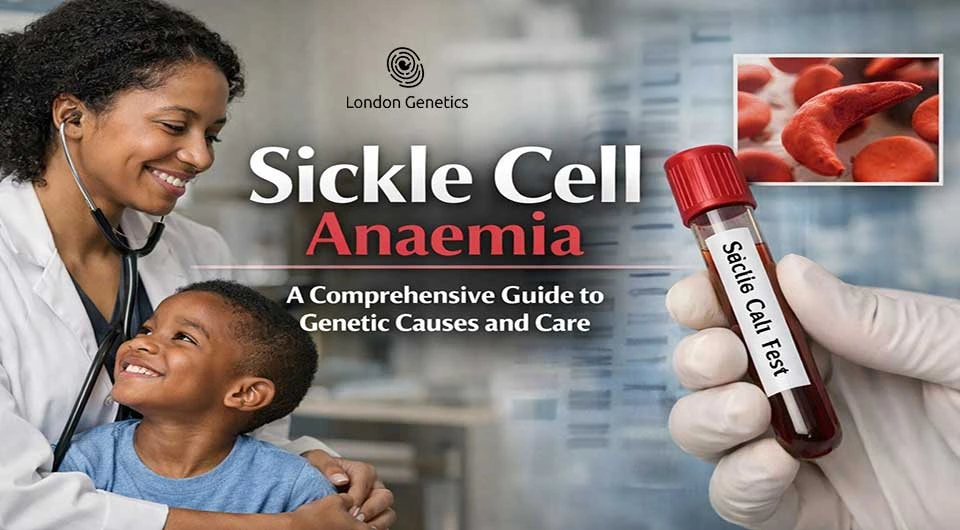
Understanding Sickle Cell Anaemia
Sickle Cell Anaemia stands as one of the most significant and complex genetic blood disorders managed within the UK healthcare system. Classified under the broader umbrella of Sickle Cell Disorders (SCD), it is a life-long condition that requires a multidisciplinary approach to care. In the United Kingdom, particularly in diverse metropolitan hubs like London, the prevalence of the sickle cell trait highlights a critical need for public awareness and robust genetic screening programmes.
Defining the Condition in the UK Context
In the UK, Sickle Cell Anaemia is not merely a clinical diagnosis but a significant public health priority. According to the NHS and various blood charities, it is the country’s fastest-growing genetic condition. Historically associated with African and Caribbean heritage, the migration patterns and the multicultural fabric of modern Britain mean the gene is now found across various ethnic backgrounds, including Middle Eastern, Mediterranean, and South Asian communities. For a specialised clinic like London Genetics, understanding this demographic landscape is vital for providing culturally competent genetic counselling and life-saving diagnostics.
The Molecular Transition: From HbA to HbS
The core of this disorder lies at the molecular level, specifically within the haemoglobin protein—the substance in red blood cells that carries oxygen throughout the body.
-
Normal Haemoglobin (HbA): In a healthy individual, red blood cells contain Haemoglobin A. These cells are disc-shaped, flexible, and smooth, allowing them to deform easily as they pass through even the smallest capillaries.
-
Sickle Haemoglobin (HbS): In individuals with Sickle Cell Anaemia, a specific genetic mutation causes the production of Haemoglobin S. When these cells release their oxygen, the HbS molecules stick together to form long, rigid polymers.
-
The Resulting Deformity: These polymers force the red blood cell into a rigid, crescent or “sickle” shape. Unlike healthy cells, these sickle cells are brittle and “sticky,” leading to premature cell death (anaemia) and frequent blockages in the blood vessels, which are the primary cause of the debilitating pain crises associated with the disease.
Why “London Genetics” Focuses on Sickle Cell Disorder
At London Genetics, our commitment to screening for Sickle Cell Anaemia is driven by the belief that knowledge is the first line of defence. Genetic disorders can feel overwhelming, but through advanced screening, we provide clarity.
Our focus on this disorder is twofold:
-
Prevention through Awareness: By identifying carriers (those with the Sickle Cell Trait) before they conceive, we empower families to make informed reproductive choices.
-
Early Intervention: Through precise genetic mapping, we assist in the early identification of the disease, ensuring that patients can access the latest UK-standard treatments and management protocols as early as possible.
In a city as globally connected as London, providing world-class genetic insights into Sickle Cell Anaemia is not just a medical service; it is a commitment to the long-term health and wellbeing of our diverse community.
The Genetic Architecture of Sickle Cell Anaemia
Sickle Cell Anaemia is inherited according to fundamental genetic principles.
Understanding how this condition is passed down explains why some individuals are carriers,
while others develop the full disease.
- The HBB gene is located on Chromosome 11
- It provides instructions for producing beta-globin
- Beta-globin is a key component of adult haemoglobin (HbA)
A single point mutation in the HBB gene replaces glutamic acid with valine,
altering haemoglobin structure and causing sickle cell anaemia.
Sickle Cell Anaemia follows an autosomal recessive inheritance pattern,
meaning two mutated genes are required for the disease to develop.
- 25% chance: Child inherits two normal genes (HbAA)
- 50% chance: Child is a carrier (HbAS)
- 25% chance: Child has Sickle Cell Anaemia (HbSS)
- Sickle Cell Trait (SCT): One normal and one mutated gene; usually no symptoms
- Sickle Cell Disease (SCD): Two mutated genes; causes chronic anaemia and pain crises
- Correct identification guides health management and family planning
Differentiating between trait and disease is essential for informed genetic counselling
and future healthcare decisions.
Understanding the genetic inheritance of Sickle Cell Anaemia empowers informed decisions.
Identifying carriers and affected individuals enables accurate risk assessment,
personalised health planning, and responsible family planning.
Pathophysiology – What Happens Inside the Vessels?
To appreciate the severity of this condition, one must look beyond the genetic code and observe the physical changes occurring within the circulatory system. The transition from a genetic mutation to a physical symptom is a process known as “sickling,” a phenomenon that fundamentally alters the mechanics of blood flow. Understanding these microscopic changes is a key reason why many patients seek out comprehensive Genetic Screening Programmes to assess their risks early in life.
The Process of ‘Sickling’: Deoxygenation and Deformity
The primary function of red blood cells is to transport oxygen. In a healthy individual, this process is seamless. However, in those with Sickle Cell Anaemia, the haemoglobin molecules (HbS) behave abnormally when they release oxygen to the body’s tissues.
This state, known as deoxygenation, causes the HbS molecules to polymerise—essentially stacking into long, rigid fibres. These fibres stretch the cell membrane, forcing the once-supple disc into a rigid, crescent shape. While cells can initially “unsickle” when they return to the lungs for more oxygen, repeated cycles eventually cause permanent damage to the cell membrane, leaving the cell stuck in the lethal sickle shape.
The Lifespan of a Red Blood Cell: 120 Days vs. 10–20 Days
One of the most profound impacts of this deformity is the drastically shortened lifespan of the red blood cells.
-
Normal Cells: A healthy red blood cell is a marvel of biological endurance, circulating for approximately 120 days before being recycled by the spleen.
-
Sickle Cells: Because the sickled membrane is fragile and brittle, these cells are destroyed by the body far more rapidly, often lasting only 10 to 20 days.
The bone marrow simply cannot produce new cells fast enough to keep up with this rapid destruction. This chronic shortage of red blood cells is what leads to the persistent state of anaemia, leaving patients with chronic fatigue and shortness of breath.
Vaso-occlusion: The “Sticky” Trap
Perhaps the most dangerous aspect of the pathophysiology is Vaso-occlusion. Unlike smooth, rounded cells that glide through capillaries, sickled cells are “sticky” and rigid. They tend to cluster together and adhere to the lining of the blood vessels.
When these cells logjam within small vessels, they create micro-vascular blockages. This prevents oxygen-rich blood from reaching vital organs and tissues, leading to:
-
Ischaemia: Tissue death due to lack of oxygen.
-
Vaso-occlusive Crises (VOC): The hallmark “pain crises” of the disease.
-
Organ Damage: Over time, these small blockages can lead to significant damage in the lungs, liver, and kidneys.
Because the severity of these blockages can vary based on an individual’s specific genetic makeup, our Genetic Screening Programmes are designed to provide a deeper understanding of these underlying factors. By identifying the specific genotype through advanced screening, clinicians can better predict potential complications and tailor preventative care to the individual’s needs.
Symptoms and Clinical Manifestations of Sickle Cell Anaemia
The clinical presentation of Sickle Cell Anaemia varies widely, ranging from mild symptoms to
severe, life-threatening complications. These manifestations result directly from the sickling of red blood cells
and subsequent vaso-occlusion. Early recognition through specialised Genetic Screening Programmes
enables timely medical intervention and significantly improves long-term outcomes.
VOCs occur when sickled cells block blood flow to bones or organs.
Acute pain: Sudden, severe pain often affecting the lower back, limbs, or chest.
Triggers: Cold weather, dehydration, stress, and strenuous exercise.
Dactylitis: Painful swelling of hands and feet in infants, often an early warning sign.
Because sickle cells have a shortened lifespan, patients experience persistent anaemia.
Fatigue: Profound exhaustion impacting daily life.
Shortness of breath: Even mild activity may cause breathlessness.
Delayed growth: In children, chronic anaemia can delay growth and puberty.
Acute Chest Syndrome is a leading cause of hospitalisation and mortality.
Symptoms include chest pain, fever, and difficulty breathing.
It results from sickled cells obstructing lung vessels or from infection.
particularly in children.Stroke risk: Blockage of cerebral vessels, especially in children aged 2–10.Preventive screening such as Transcranial Doppler (TCD) scans helps identify high-risk patients early.
Understanding these symptoms is not intended to alarm, but to emphasise the importance of early diagnosis.
Participation in specialised Genetic Screening Programmes empowers families to manage risks
proactively, reducing complications and improving quality of life.
The Importance of Genetic Screening
For families navigating the complexities of hereditary blood disorders, the role of modern diagnostics cannot be overstated. At London Genetics, we integrate sickle cell screening into a broader framework of Hereditary Health Guidance, ensuring that patients understand their risks long before symptoms manifest. As part of our commitment to Preventive Genetic Testing, we provide a clear pathway for individuals to gain Genomic Health Insights, allowing for informed decision-making at every stage of life.
Pre-conception Screening: Proactive Family Planning
The most effective way to manage sickle cell anaemia is through early identification of carriers. Many people are unaware they carry the gene, which is why we often address the critical question: “Am I a Carrier of a Genetic Condition?”.
In London’s diverse population, understanding Consanguinity and Genetic Risk is particularly important for related couples who may have a higher statistical chance of carrying the same recessive mutation. By identifying these risks through Predictive Testing, couples can explore advanced reproductive options. For those considering assisted reproduction, our specialists use these insights to Increase IVF Success by utilising embryo selection techniques to ensure the health of the next generation. This approach represents the pinnacle of Personalised Medicine in London, where treatment is tailored to your specific DNA.
Prenatal Diagnosis: Protecting the Next Generation
When a pregnancy is already underway, Genetic Testing in Pregnancy becomes a vital tool for peace of mind. While many mothers are familiar with A Comprehensive Guide to the NIPT Test for chromosomal health, specific diagnostic tests like CVS and Amniocentesis are required for sickle cell.
These tests provide a definitive look at the baby’s genetic makeup. Understanding the Genetic Mechanisms behind how these traits are passed on helps parents process the results. Our clinic ensures that every family receives a detailed Genetic Testing Result Interpretation, so the data becomes a clear roadmap for the child’s future care. If a mutation is detected, we help families understand how this fits into the wider context of Childhood Development and long-term health.
Newborn Screening and Early Intervention
The British healthcare system’s “heel prick” test is a gold standard in Preventive Genetic Testing. By identifying sickle cell anaemia within days of birth, we can implement life-saving interventions immediately. This early diagnosis is the first step in a lifelong journey of care, often involving Genetic Counselling to help parents manage the emotional and physical aspects of the condition.
As we look toward The Future of Personalised Medicine, the data gathered from these early screenings helps us understand why certain treatments work better for some than others—a concept similar to Why Medicines Affect People Differently. By starting with a simple genetic test, we open the door to a lifetime of precision healthcare.
Diagnosis and Laboratory Investigation
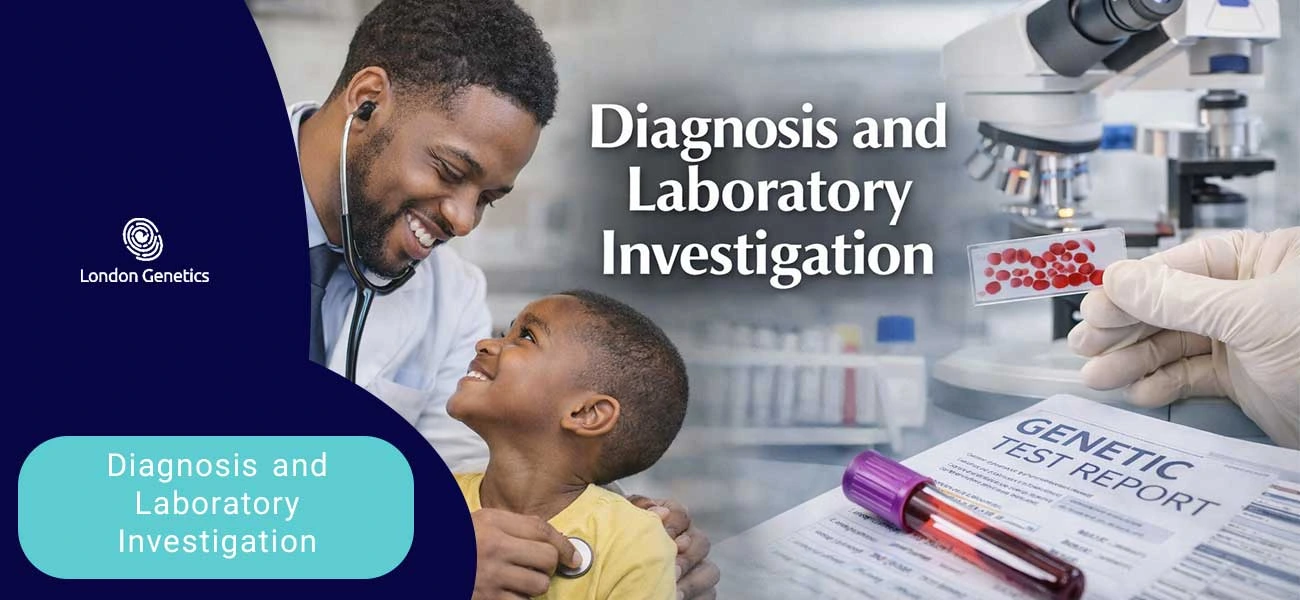
In the United Kingdom, the diagnostic pathway for Sickle Cell Anaemia is rigorous and follows high clinical standards. Because the symptoms of anaemia can overlap with other conditions, laboratory confirmation is essential to distinguish between Sickle Cell Disorder, Thalassemia, or other haemoglobinopathies.
Full Blood Count (FBC) and Blood Film
The first step in any investigation is usually a Full Blood Count (FBC). In a patient with Sickle Cell Anaemia, the results typically show:
-
Low Haemoglobin levels: Usually between 6 to 9 g/dL (significantly lower than the normal range of 12-16 g/dL).
-
Elevated Reticulocyte Count: This indicates that the bone marrow is working overtime to replace the rapidly dying red blood cells.
A Peripheral Blood Film is then conducted, where a haematologist examines a blood sample under a microscope. In a positive case, the characteristic “sickle-shaped” cells are visible, alongside “target cells” and other abnormalities that suggest the body is struggling to maintain healthy red cell morphology.
Haemoglobin Electrophoresis: The Gold Standard
While an FBC points toward anaemia, Haemoglobin Electrophoresis is the definitive test used to confirm the diagnosis. This laboratory technique uses an electric current to separate the different types of haemoglobin within the blood.
-
In a healthy adult: The test will show a predominance of HbA.
-
In a carrier (Sickle Cell Trait): The test will show both HbA and HbS.
-
In a person with Sickle Cell Anaemia: The test will show a predominance of HbS and an absence of normal HbA.
High-Performance Liquid Chromatography (HPLC)
In modern UK laboratories, HPLC is often preferred over traditional electrophoresis due to its extreme precision. This automated process can detect even minute amounts of abnormal haemoglobin variants. It is the primary method used in the NHS newborn screening programme because it can accurately identify the condition even in the presence of foetal haemoglobin (HbF).
Genetic Testing and DNA Analysis
While protein-based tests (like HPLC) are usually sufficient for diagnosis, direct DNA Analysis is used for the most complex cases. By examining the HBB gene directly, scientists can identify the exact mutation. This is particularly crucial for:
-
Prenatal Diagnosis: Testing foetal cells obtained via CVS.
-
Complex Genotypes: Where a patient might have inherited sickle cell from one parent and a different condition, like Beta Thalassemia, from the other.
Confirming the exact genotype is a critical step in Hereditary Health Guidance, as it allows the medical team to predict the likely clinical course of the disease and prepare a bespoke care plan for the patient.
Living with Sickle Cell – Psychosocial and Lifestyle Support
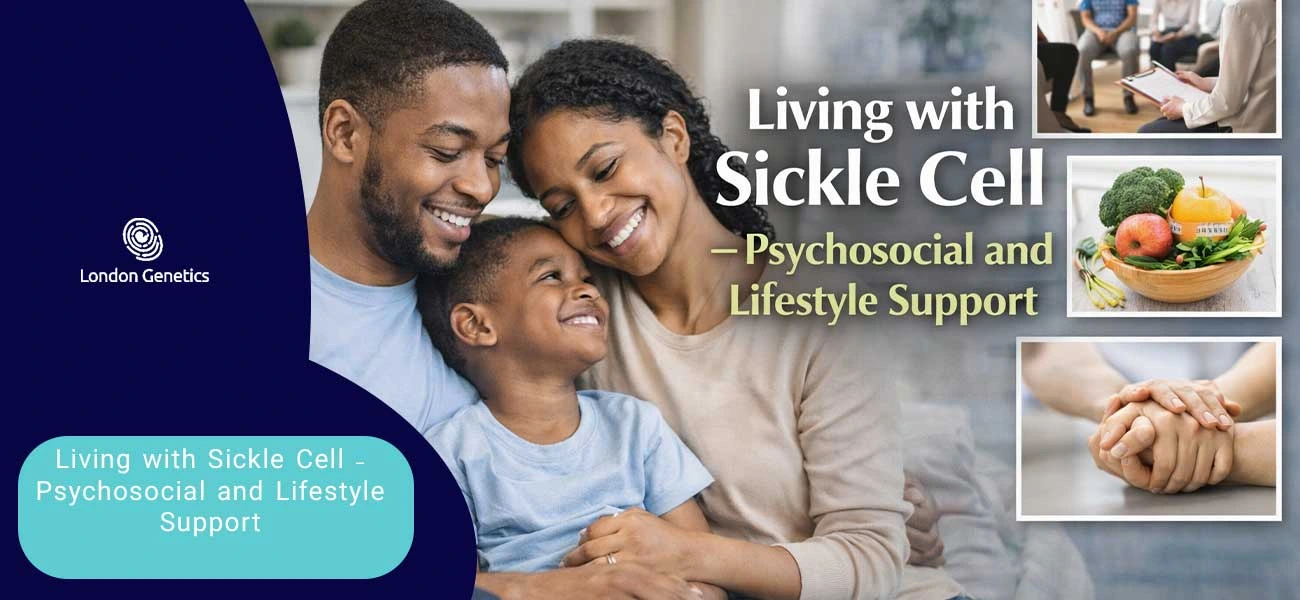
Managing Sickle Cell Anaemia in the UK involves much more than clinical appointments and medication. Because it is a chronic, life-long condition, maintaining a high quality of life requires a holistic approach that encompasses physical habits, mental wellbeing, and community support.
Dietary Considerations and the Vitality of Hydration
While diet alone cannot cure the condition, specific nutritional choices can help the body manage the demands of rapid red blood cell turnover.
-
Hydration is Key: For someone with sickle cell, dehydration is a major trigger for a pain crisis. Water helps keep the blood less viscous, allowing cells to flow more freely through small vessels. Patients are advised to drink significantly more than the average person, especially during the UK’s warmer months or during periods of physical activity.
-
Folic Acid and Nutrients: British haematologists typically prescribe daily Folic Acid supplements to support the bone marrow in producing new red blood cells. A diet rich in leafy greens, beans, and whole grains is also highly recommended.
-
Managing Energy Levels: Small, frequent, nutrient-dense meals can help combat the persistent fatigue associated with chronic anaemia.
Managing Mental Health and Chronic Pain
Living with a condition characterised by unpredictable and excruciating pain can take a heavy toll on mental health. In the UK, integrated care now places a significant emphasis on psychological support.
-
The Pain-Stress Cycle: Stress is a known physiological trigger for “sickling.” Learning stress-management techniques, such as mindfulness or cognitive behavioural therapy (CBT), can be just as important as physical painkillers.
-
Chronic Pain vs. Acute Crisis: It is vital to distinguish between daily chronic aches and a sudden vaso-occlusive crisis. Specialist pain clinics in London work with patients to develop personalised pain management plans that include both pharmacological and non-pharmacological methods (like heat therapy, as cold packs can worsen the sickling).
-
Mental Health Support: Depression and anxiety are common among those managing long-term health challenges. Accessing mental health services through the NHS or private genetic clinics ensures that the “invisible” symptoms of the disease are not ignored.
Support Systems and Sickle Cell Societies in the UK
No one should have to navigate this journey alone. The United Kingdom has a robust network of organisations dedicated to supporting those with sickle cell disorders.
-
The Sickle Cell Society: This is the leading national charity in the UK. They provide essential resources, advocate for better patient care, and offer a community for families to share experiences.
-
Local Support Groups: Many London boroughs have dedicated support groups where patients can meet others who truly understand the daily challenges of the condition.
-
Educational Support: For children, the “Individual Healthcare Plan” (IHP) in British schools ensures that teachers understand the need for frequent water breaks, easy access to toilets, and the signs of a developing crisis.
By combining medical excellence with strong community and lifestyle support, individuals with sickle cell anaemia can lead fulfilling, active lives. Understanding your genetic status through a specialist clinic is often the first step in accessing this wider network of care and Hereditary Health Guidance.
Conclusion – The Power of Genetic Knowledge
Sickle Cell Anaemia is a complex and challenging condition, yet the outlook for affected
individuals and families in the United Kingdom has never been more hopeful.
Advances in genetic screening and personalised medicine have transformed care
from symptom management to proactive, life-changing intervention.
Early diagnosis and genetic insight now allow families to plan, prevent complications, and improve long-term outcomes.
From Knowledge to Action:
– Understanding the microscopic process of red blood cell sickling reveals the root cause of the disease.
– Identifying carrier status through pre-conception screening empowers informed family planning.
– Newborn and early childhood screening enables timely intervention and better lifelong health management.
Why Genetic Insight Matters:
Knowledge is the most powerful tool in modern healthcare.
When families understand inheritance patterns and individual risk, the trajectory of Sickle Cell Anaemia
can be fundamentally altered — from uncertainty and crisis to preparedness and control.
Our Commitment at London Genetics:
At London Genetics, we bridge advanced genomic science with compassionate, patient-centred care.
Our mission is to provide clarity, confidence, and expert guidance so that no individual or family has to
face genetic uncertainty alone.
Your Next Step:
Understanding your genetic heritage is not only about identifying risk — it is about empowerment.
If you have concerns about carrier status or wish to explore comprehensive screening options,
our expert team is here to support you at every stage of your journey.