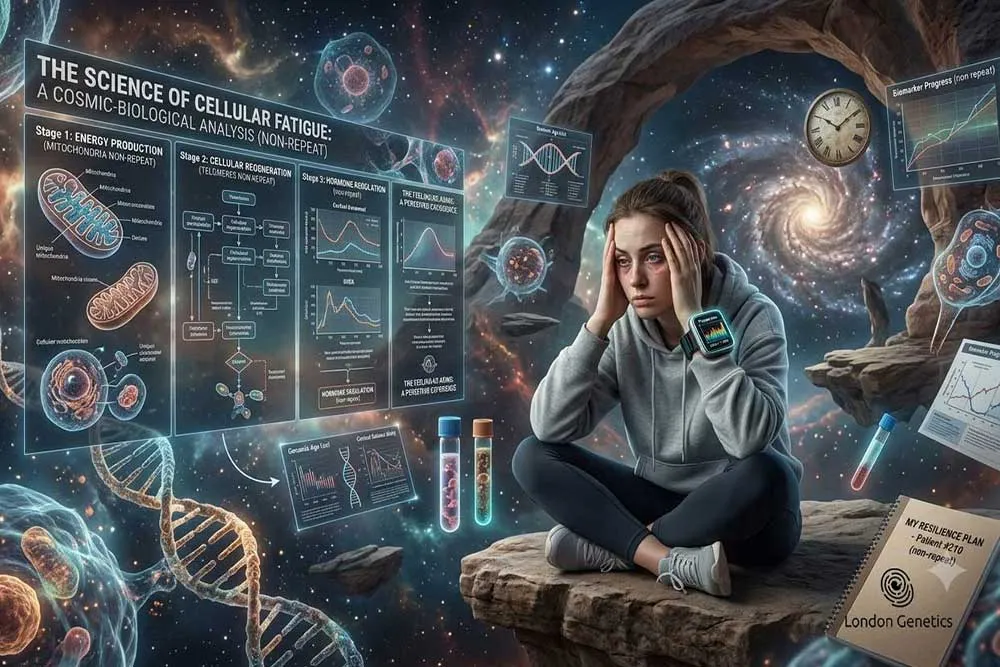
The Gap Between Your Calendar Age and Your Biological Age
When you look in the mirror and constantly wonder, “why do I feel older than my actual age?”, you are experiencing a very real physiological mismatch. To solve this mystery, we must look at time through two entirely different lenses: your chronological age and your biological age. Your chronological age is simply a record of the calendar years that have passed since your birth. It is a fixed administrative number that changes by one every birthday, regardless of how well or poorly your body is functioning.
Your biological age, however, is a dynamic reflection of your inner health at a cellular level. It measures the actual wear and tear on your tissues, organs, and DNA tracking systems. While one person’s cells might function like a healthy 30-year-old, another person of the exact same calendar age might exhibit the cellular decline of someone a decade older. This critical variance is exactly what modern Genetic Medicine Programs study—analyzing the deep biological blueprints that dictate why some individuals experience premature cellular fatigue while others maintain clinical longevity. Understanding this hidden gap is the vital first step to shifting your focus from the calendar on the wall to the true biological age of your body.
Why Do I Feel Older? 4 Microscopic Causes of Premature Fatigue
When you find yourself repeatedly asking, “why do I feel older”, it is crucial to recognise that this is not merely a psychological burden or the result of a single busy week. It is a tangible, biological alarm bell. The profound, unshakable exhaustion you experience originates deep within your cellular architecture, driven forward by hidden, microscopic mechanisms.
The underlying philosophy of modern longevity science and metabolic wellness lies in replacing reactive surface treatments with strategic biomolecular foresight. Analysing how individual inherited pathways and microscopic stressors interact with daily lifestyle habits allows clinical teams to eliminate outdated trial-and-error fatigue management routines. Mapping these specific cellular-degradation traits transforms abstract symptoms into an unshakeable, personalised blueprint for structural vitality and long-term health maintenance.
Chronic Stress and Its Direct Impact on Your Body’s Clock
It is a common misconception that mental exhaustion is entirely separate from physical wear. In reality, sustained psychological pressure acts as a powerful biological accelerant. When you are constantly asking yourself, “why do I feel older than my chronological years?”, the answer is often linked to the relentless activation of your body’s survival mechanisms. Chronic stress directly interferes with your internal biological clock, transforming mental anxiety into physical aging and cellular fatigue.
The primary driver of this transition is cortisol, your body’s main stress hormone. In short, controlled bursts, cortisol is essential for survival, helping you manage acute challenges. However, when psychological pressure becomes a permanent fixture of daily life, cortisol levels remain abnormally elevated. This sustained chemical surge places your body in a continuous state of high alert, diverting energy away from vital cellular repair and maintenance processes to focus strictly on immediate survival.
Over time, this hormonal imbalance causes profound physiological damage. High cortisol levels break down muscle tissue, weaken your immune system, and increase the accumulation of visceral fat around internal organs. Furthermore, chronic stress actively damages the hippocampus—the area of the brain responsible for memory and cognitive control—which manifests as the frustrating mental sluggishness known as brain fog. When your biological systems are denied the opportunity to rest, regenerate, and repair, your internal clock speeds up, directly explaining why do I feel older and less resilient than your actual age suggests.
How Poor Sleep Architecture Accelerates Cellular Decay
Sleep is often viewed simply as a period of passive rest, but from a biological standpoint, it is an incredibly active window of cellular restoration. When you wake up morning after morning feeling completely exhausted, asking “why do I feel older than I actually am”, the root cause is frequently a deep failure in your sleep architecture.
Disrupting the vital structural baseline of light, deep, and REM sleep cycles denies your body its natural capacity to reverse daily molecular wear and tear.
Metabolic Warning Signs You Should Not Ignore
Your metabolism is the absolute engine of your physical existence, responsible for converting nutrients into cellular fuel. When this intricate system begins to falter, it does not happen in silence; it sends distinct physical signals. If you are constantly asking yourself, “why do I feel older than my real age?”, your body may be presenting clear metabolic warning signs that indicate your internal power plant is struggling to keep pace with demand.
Ignoring these markers allows cellular aging to accelerate. Below are the critical metabolic red flags that require your immediate attention:
Sudden Energy Crashes (Mitochondrial Mismatch)
One of the most immediate indicators of an underlying metabolic shift is an inability to maintain stable energy levels throughout the day.
-
The Post-Prandial Slump: Experiencing a severe drop in physical and mental stamina shortly after eating, particularly after carbohydrate-rich meals, suggests an inability to efficiently process glucose.
-
The Afternoon Wall: Feeling completely depleted by 2:00 PM or 3:00 PM, where simple cognitive tasks require monumental effort, points toward a lack of cellular metabolic flexibility.
-
Dependency on Stimulants: Needing continuous doses of caffeine or sugar just to maintain a baseline level of consciousness is a clear sign that your cells are failing to produce natural, sustainable energy.
Persistent Brain Fog (Neuro-Metabolic Slowdown)
When your metabolic efficiency drops, your brain—which consumes roughly 20% of your body’s total energy—is often the very first organ to suffer.
-
Cognitive Fatigue: Finding yourself frequently wondering why do I feel older when trying to remember simple words, recall recent conversations, or focus on a single document for more than ten minutes.
-
Lack of Mental Agility: A distinct feeling that your processing speed has slowed down, making complex problem-solving or multitasking feel completely overwhelming.
-
Short-Term Memory Lapses: Misplacing everyday items or losing your train of thought mid-sentence, which reflects a temporary energy deficit within the hippocampus.
Unexplained Weight Shifts and Metabolic Resistance
When the cellular engine slows down, your body shifts its priority from burning fuel to storing it, leading to frustrating physical changes.
-
Stubborn Visceral Fat: Noticeable fat accumulation around the midsection and internal organs that refuses to budge, despite maintaining your usual diet and exercise routines.
-
Loss of Lean Muscle Mass: Feeling physically weaker or noticing a reduction in muscle tone, which directly lowers your basal metabolic rate and accelerates the feeling of physical frailty.
-
Altered Temperature Regulation: Frequently feeling unusually cold, especially in your hands and feet, which points toward a downregulated thyroid or a sluggish metabolic baseline.
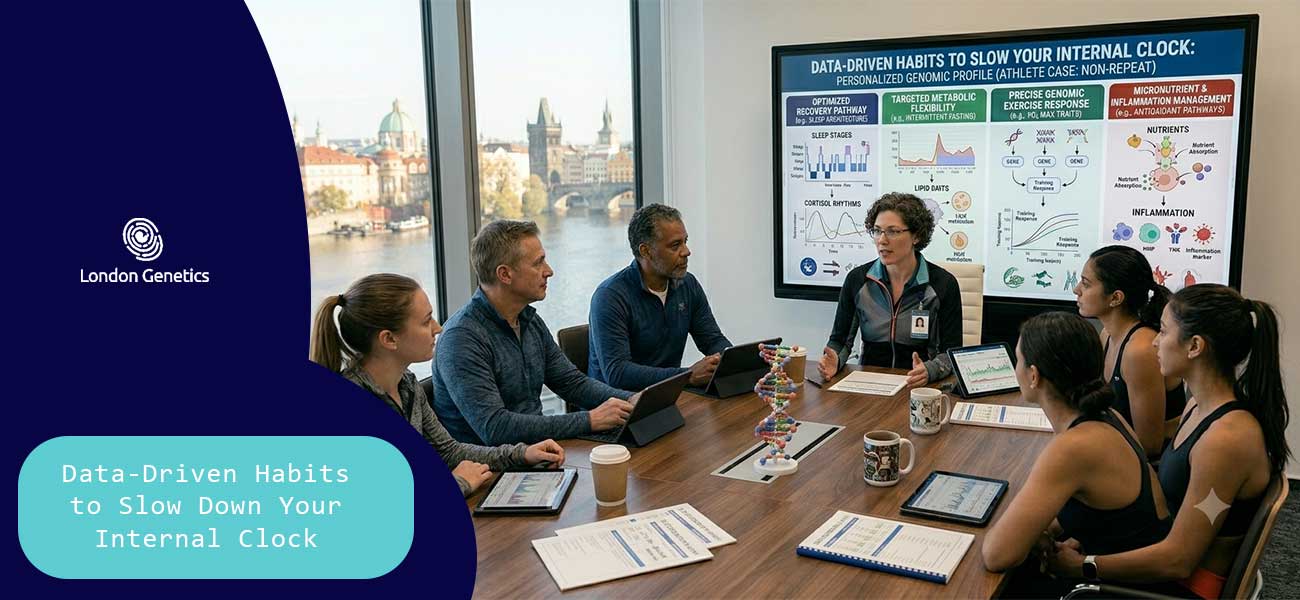
Data-Driven Habits to Slow Down Your Internal Clock
When your body signals an accelerated rate of cellular decline, the solution is not to accept it as an inevitable consequence of time. If you are tired of questioning, “why do I feel older than the calendar suggests?”, it is time to transition from guesswork to precision. By adopting evidence-based, data-driven daily frameworks, you can actively optimize your metabolic efficiency, protect your DNA architecture, and systematically turn back your internal physiological clock.
Here are the high-level, practical strategies required to reclaim your vitality:
Advanced Nutrition: Fueling for Cellular Longevity
Modern dietary strategies have moved far beyond simple calorie counting; today, it is about sending the correct biological signals to your cells.
-
Prioritise Mitochondrial Nutrients: Integrate clean, whole foods rich in coenzyme Q10, alpha-lipoic acid, and omega-3 fatty acids to directly support and repair your cellular powerhouses.
-
Incorporate Rich Polyphenols: Consume a diverse array of deeply coloured vegetables, berries, and green teas. These compounds activate sirtuins—a family of proteins heavily responsible for cellular regulation and anti-aging pathways.
-
Manage Insulin Volatility: Avoid ultra-processed carbohydrates and hidden sugars that trigger rapid glucose spikes. Stable blood sugar is paramount to preventing cellular damage and stopping the energy crashes that leave you feeling prematurely aged.
Intelligent Movement: Moving Beyond Generic Cardio
Exercise should be treated like a precise clinical prescription, tailored to build physical resilience and maintain structural youth.
-
Build Your Zone 2 Baseline: Engage in steady-state, low-intensity cardiovascular exercise (such as brisk walking or cycling) where you can still maintain a conversation. This specific intensity dramatically increases mitochondrial density and metabolic flexibility.
-
Structured Resistance Training: Dedicate at least two days a week to progressive strength training. Maintaining lean muscle mass is your greatest biological defense against metabolic deceleration and physical frailty.
-
Incorporate High-Intensity Interval Training (HIIT): Short, controlled bursts of intense activity stimulate mitophagy—the vital process where your body clears out damaged, old mitochondria to make room for fresh, high-performing energy units.
Circadian Optimization: Safeguarding Your Nightly Repair
Your internal cellular repair crew cannot function efficiently without a rigid, uninterrupted circadian alignment.
-
Morning Light Anchoring: Expose your eyes to natural sunlight within the first thirty minutes of waking. This natural trigger anchors your master biological clock, optimizing cortisol production for daytime energy.
-
Digital Darkness Before Rest: Eliminate exposure to artificial blue light from smartphones, tablets, and televisions at least ninety minutes before sleep. Blue light suppresses melatonin, denying your brain the deep, restorative recovery phase it needs to keep you feeling young.
-
Consistent Sleep Windows: Maintain a strict sleep schedule by retiring and waking at the exact same times every day, even on weekends, to prevent the internal disruption that constantly leaves you wondering why do I feel older.
Moving Beyond Guesswork: How to Understand Your Body’s True Needs
Feeling younger, sharper, and more vibrant is not an unattainable luxury; it is the natural byproduct of a well-regulated biological system. When you finalise your journey through the hidden causes of cellular fatigue, you realise that the persistent question of “why do I feel older than my real age” is actually a profound opportunity to shift from generic health trends to precise, data-driven self-care.
At London Genetics, we believe your longevity journey should be as unique as your DNA. Through our cutting-edge personalised genetics services, we strip away the generic, copy-and-paste advice, allowing individuals to transition from frustrating, surface-level guesswork to an absolute predictive shield that puts the pace of cellular ageing entirely under your control.
Decoding Cellular Signals:
Treating persistent brain fog, sudden energy crashes, and morning exhaustion not as normal inconveniences, but as direct biological indicators of mitochondrial and metabolic strain.
Implementing Targeted Micro-Habits:
Anchoring your circadian rhythm with morning sunlight and building your Zone 2 cardiovascular baseline to secure massive, compound interest for long-term cellular health.
Eradicating Wellness Guesswork:
Moving completely beyond generic, one-size-fits-all diets to look closely at your distinct biomarkers, addressing exactly what your physiological blueprint uniquely requires.
Safeguarding Genetic Architecture:
Replacing clinical guesswork with conscious, data-driven daily choices to proactively protect your DNA architecture and optimise your internal cellular powerhouses.
Definitive Longevity Control:
Taking absolute control of your biological destiny by transforming abstract symptoms into an unshakeable, bespoke health routine that ensures your body grows resilient from the inside out.