Copy Number Variations: Genetic Duplications and Deletions

Introduction to Copy Number Variations and Structural Genetic Changes The human genome is composed of approximately three billion DNA base pairs organised into genes and regulatory elements that govern growth, development, and physiological function. While early genetic research focused mainly on small‑scale mutations involving single base changes, modern genomics has revealed that structural genetic changes—alterations […]
What is Array Comparative Genomic Hybridisation (aCGH)?

Introduction: What is Array Comparative Genomic Hybridisation? In the rapidly evolving landscape of Reproductive Genetics, understanding the building blocks of our biology has never been more precise. One of the most significant breakthroughs in this field is Array Comparative Genomic Hybridisation (aCGH). Often described as a high-resolution “molecular microscope”, aCGH has become an indispensable tool […]
Antidepressants and Genetics: How DNA Shapes Response

Introduction: Antidepressants and the Genetic Revolution in Mental Health Mental health treatment has evolved considerably over the past few decades, and Antidepressants remain one of the most widely used medical approaches for managing conditions such as depression, anxiety disorders, and certain mood‑related illnesses. These medications work by influencing neurotransmitters in the brain — particularly serotonin, […]
Hormonal Imbalance: A Comprehensive Guide for Women and Men

Introduction to Hormonal Imbalance and the Endocrine System Hormones play a central role in nearly every function of the human body, from energy levels and metabolism to mood, growth, and reproductive health. When these chemical messengers fall out of balance—whether too high, too low, or fluctuating irregularly—the result is what we refer to as Hormonal […]
Cardiovascular Diseases : Causes, Risk Factors, Prevention, and Modern Treatments
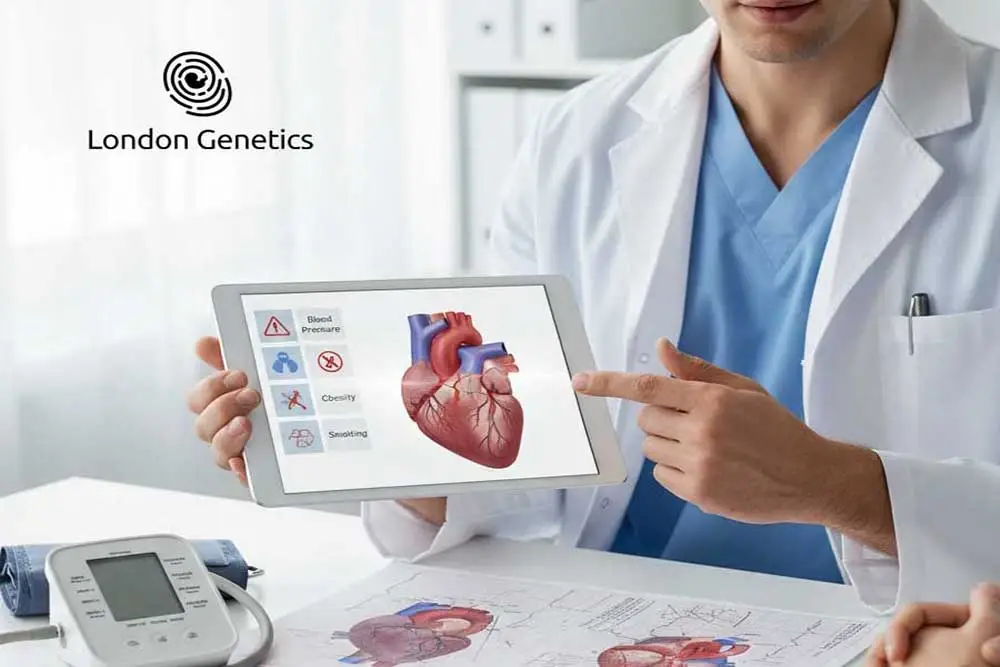
Introduction to Cardiovascular Diseases and Their Global Impact Cardiovascular Diseases remain one of the leading causes of illness and mortality across the world, affecting millions of people each year and placing a considerable burden on healthcare systems. These conditions involve the heart and blood vessels and can range from coronary artery disease and heart failure […]
Polymerase Chain Reaction (PCR): Principles, Applications, and Key Techniques

Introduction to Polymerase Chain Reaction (PCR) and Its Importance in Molecular Biology The Polymerase Chain Reaction (PCR) is one of the most transformative technologies in modern molecular biology, enabling scientists to amplify tiny amounts of DNA into millions of copies with remarkable precision. Before the development of PCR, analysing genetic material required large quantities of […]
Gene Therapy : Principles, Techniques, and Clinical Applications

Introduction to Gene Therapy and Its Role in Modern Medicine Gene Therapy represents one of the most transformative advances in contemporary healthcare, offering a way to treat diseases at their biological root by modifying, replacing, or regulating faulty genes. As our understanding of human genetics has expanded, gene therapy has emerged as a cornerstone of […]
Variant Interpretation in Clinical Genomics: Methods, Challenges, and Applications

Introduction to Variant Interpretation in Genetic Testing Variant interpretation is a central component of modern genetic testing, helping clinicians move from simply identifying a genetic change to understanding what that change actually means for a patient’s health. As genetic sequencing technologies become more widely used, especially in areas such as Paediatric Rare Disorders, the volume […]
CYP2D6 Gene: How It Affects Your Drug Metabolism
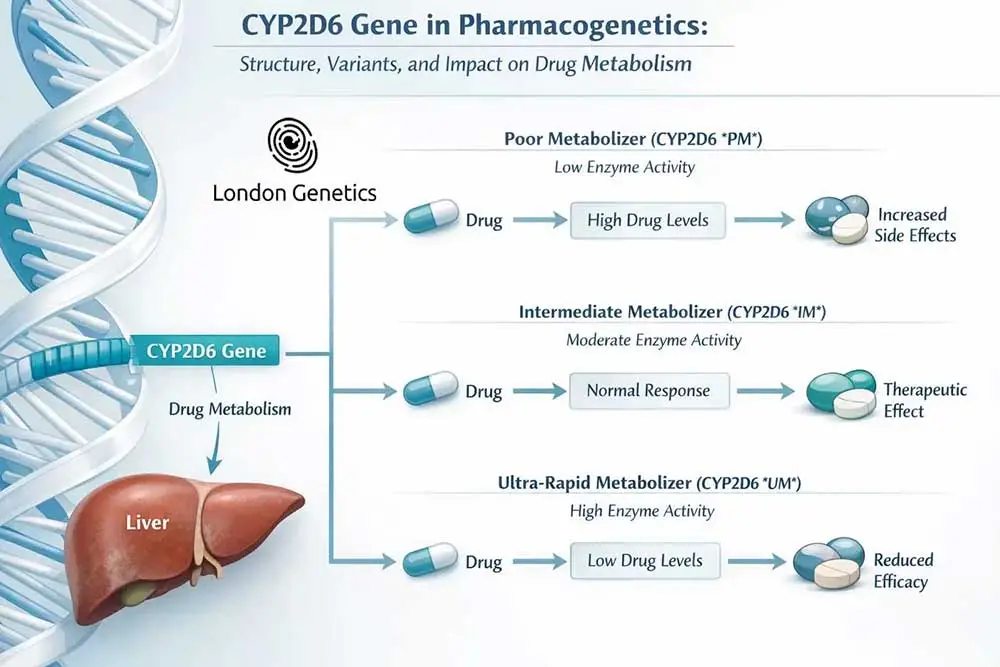
Introduction to the CYP2D6 Gene The CYP2D6 Gene is one of the most clinically significant genes in human pharmacogenetics, playing a central role in determining how individuals metabolise a wide range of commonly prescribed medicines. As a member of the cytochrome P450 enzyme family, CYP2D6 is responsible for the oxidative metabolism of approximately 20–25% of […]
SHANK3 Gene: Structure, Function, and Clinical Significance
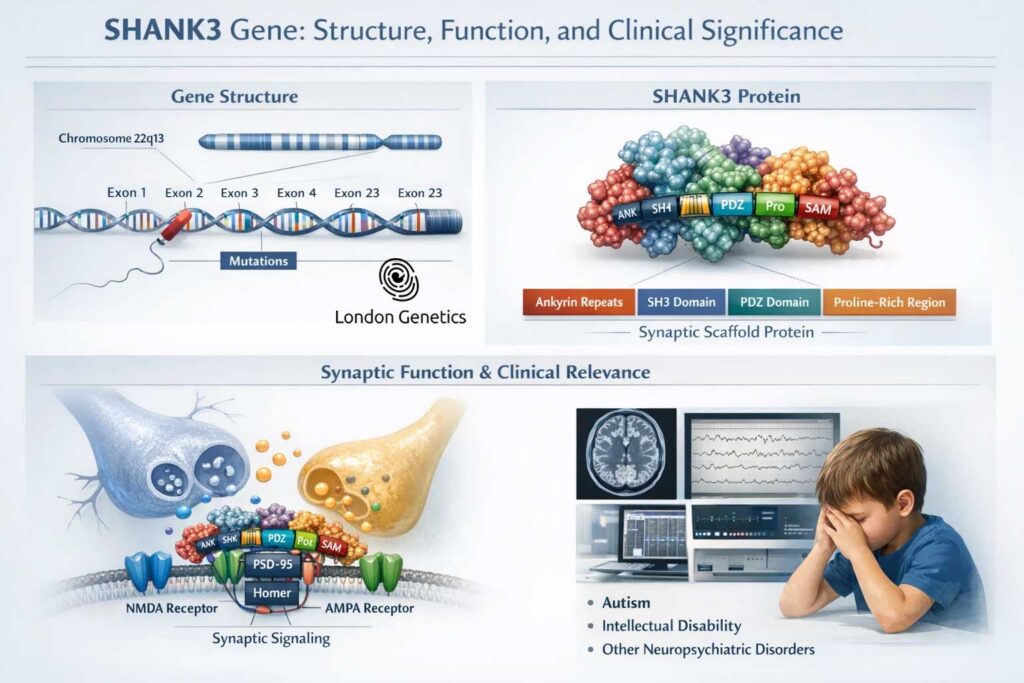
Introduction to the SHANK3 Gene The SHANK3 Gene (SH3 and multiple ankyrin repeat domains 3) represents one of the most critical elements in the molecular architecture of the human brain. Located on the long arm of chromosome 22 (22q13.3), this gene encodes a master scaffolding protein primarily situated within the postsynaptic density (PSD) of excitatory […]