Breast Cancer Prevention: Managing Inherited Risk and Early Detection Strategies

Breast Cancer Prevention and Inherited Cancer Risk Breast cancer prevention begins with understanding an individual’s overall risk. For some women, risk is influenced mainly by age, hormonal factors and other non-inherited factors, while for others, a significant family history or an inherited genetic predisposition may indicate a substantially higher risk. This distinction is important because […]
Why Chemotherapy Side Effects Vary So Much From Person to Person

What Causes Chemotherapy Side Effects? Chemotherapy works by targeting rapidly dividing cells, which is precisely how cancer cells behave. The trouble is, several types of healthy cells in the body also divide quickly, including those in the hair follicles, digestive tract, and bone marrow. This is the main reason chemotherapy side effects occur — the […]
Statin Side Effects: Muscle Pain and What It Means

What Are Statins and Why Are They Prescribed? Statins are among the most commonly prescribed medicines in the UK, taken by millions of people to help lower cholesterol and reduce the risk of heart attack and stroke. Medicines such as atorvastatin, simvastatin, and rosuvastatin work by blocking an enzyme in the liver responsible for producing […]
What Is Embryonic Aneuploidy and Why Does It Halt Pregnancy Development ?
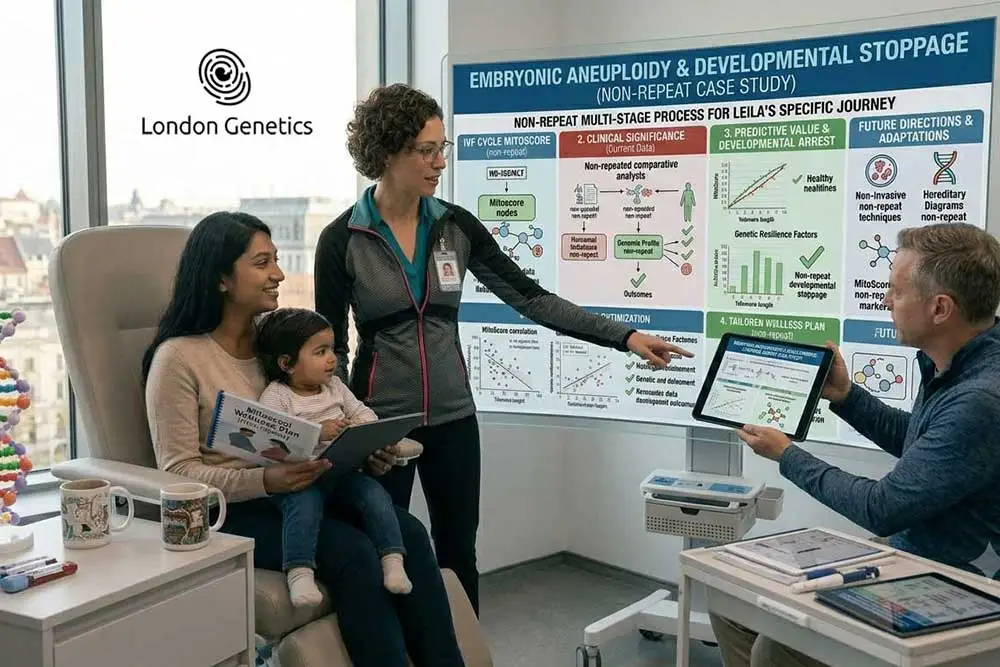
Defining Embryonic Aneuploidy: The Microscopic Counting Error The Fundamentals of Chromosomal Architecture To truly comprehend the complexities of early pregnancy complications, one must first look at the very foundation of cellular biology. Every typical human life begins with a precise genetic blueprint consisting of 46 chromosomes, neatly arranged into 23 pairs. Half of this genetic […]
Why Does IVF Fail with Good Embryos?
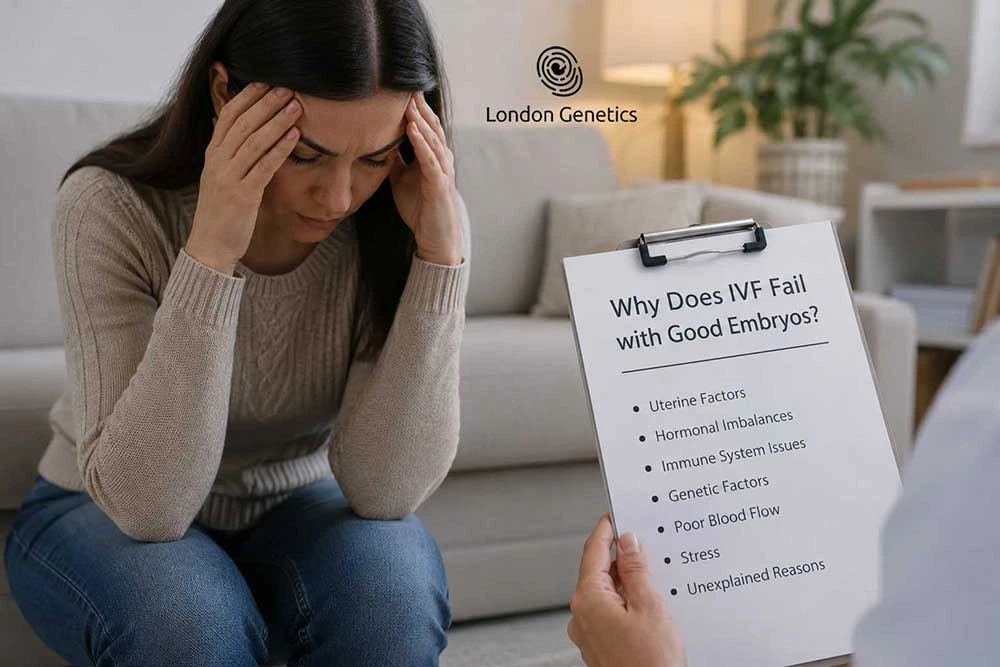
The Paradox of the Perfect Embryo: Visually High-Grade but Genetically Flawed For many prospective parents navigating the emotionally demanding landscape of assisted reproductive technology, experiencing an unexpected IVF fail is a deeply distressing milestone. The clinical frustration peaks when specialists confirm that the transferred blastocyst was classified as a top-tier, high-grade embryo under the microscope. […]
What Are Somatic Mutations ? Understanding Acquired Genetic Changes
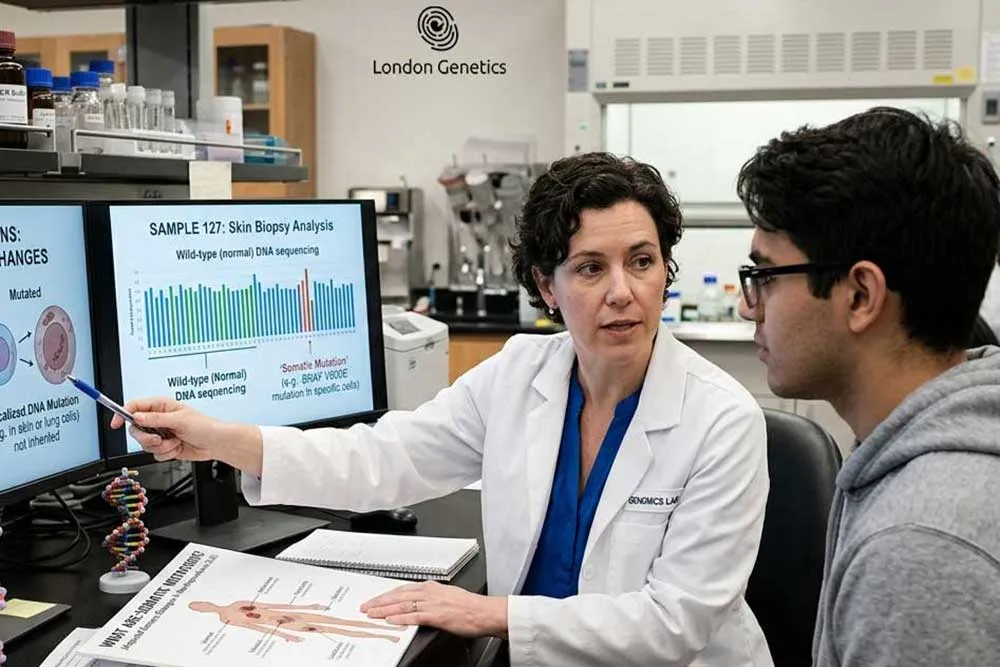
Introduction: The Architecture of Acquired Genetic Changes Every single day, the human body orchestrates billions of complex cellular divisions, replicating vast amounts of genetic code with astonishing fidelity. Yet, despite the presence of highly sophisticated cellular repair mechanisms, this biological duplication process is not completely flawless. Over the course of a lifetime, subtle alterations can […]
What is the Tyrer-Cuzick Model? Calculating Your Breast Cancer Risk
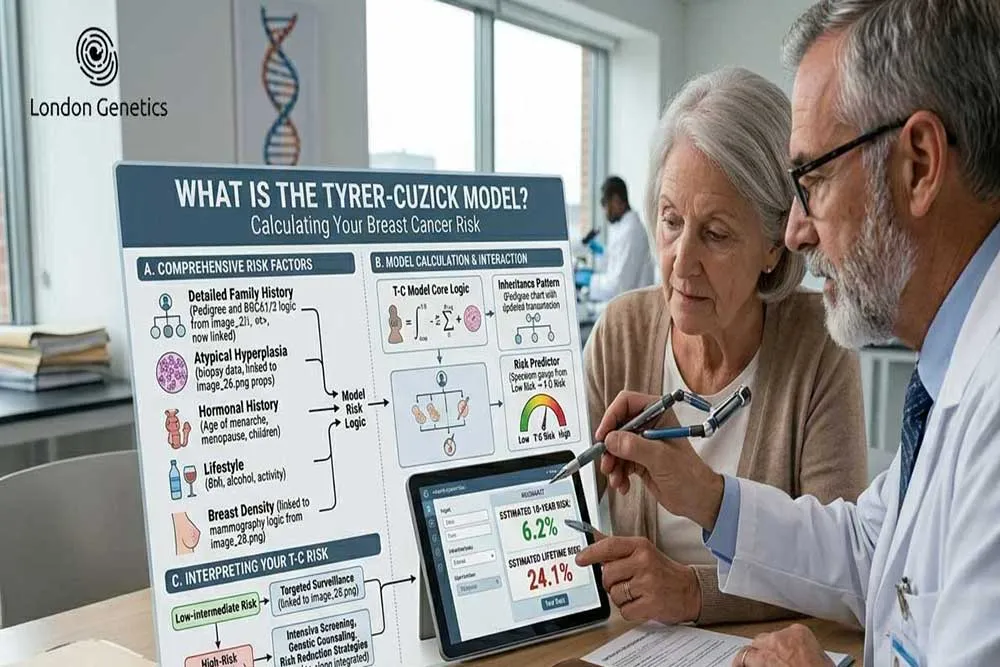
Introduction: The Evolution of Breast Cancer Risk Assessment For decades, the global medical community faced a significant hurdle in oncology: how to accurately predict who will develop breast cancer before the first abnormal cell even forms. Historically, clinical strategies relied on a rigid, reactive approach. Mammograms were scheduled strictly by age thresholds, and risk estimation […]
What Is a Variant of Uncertain Significance in Your Test?
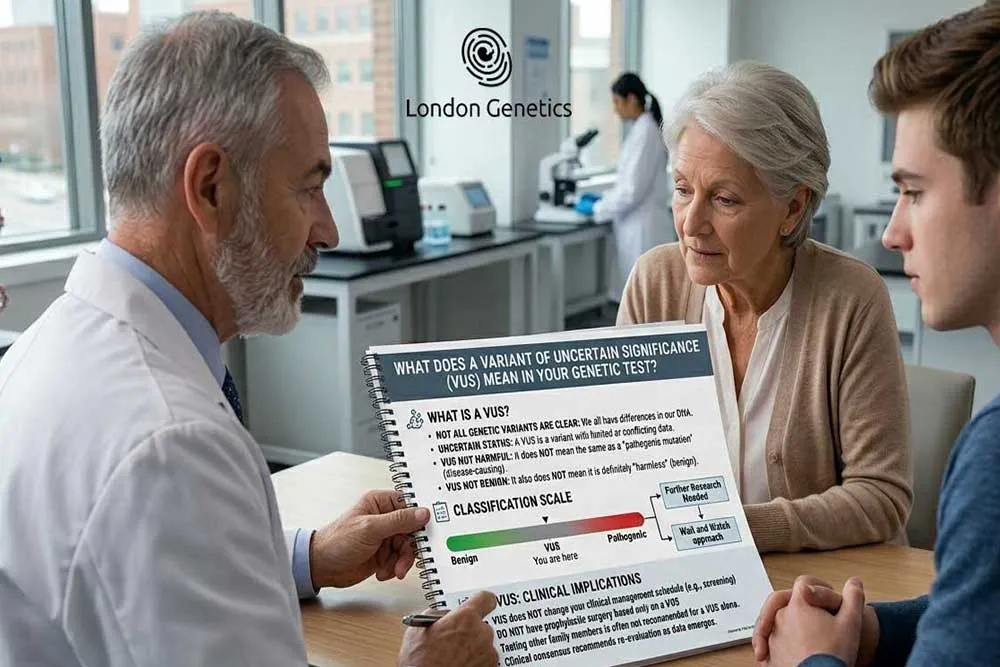
Introduction: The Shock of an Ambiguous Genetic Result Opening the envelope or logging into a patient portal to view your DNA blueprint can be a moment of intense emotional vulnerability. For many individuals, opting for Hereditary Disease Testing is a proactive step toward replacing fear with knowledge—a calculated move to safeguard their health or protect […]
Chemotherapy in Breast Cancer: Do You Really Need It?

Introduction: Assessing the Necessity of Care For decades, a breast cancer diagnosis has been followed by a predictable and often daunting clinical roadmap. Once primary surgery is completed, patients are routinely propelled into a world of intensive, highly toxic post-operative treatments. Understanding the true role and necessity of chemotherapy in breast cancer has always been […]
Lynch Syndrome: Inherited Cancer Risks, MMR Genes, and Clinical Implications

What is Lynch Syndrome? Defining Hereditary Non-Polyposis Colorectal Cancer Lynch syndrome, historically referred to as Hereditary Non-Polyposis Colorectal Cancer (HNPCC), is an autosomal dominant genetic condition that significantly elevates an individual’s lifetime probability of developing colorectal carcinoma alongside several extra-colonic malignancies. The historical designation “non-polyposis” was originally introduced to differentiate this condition from familial adenomatous […]