The Genetics of Chromosomal Abnormalities
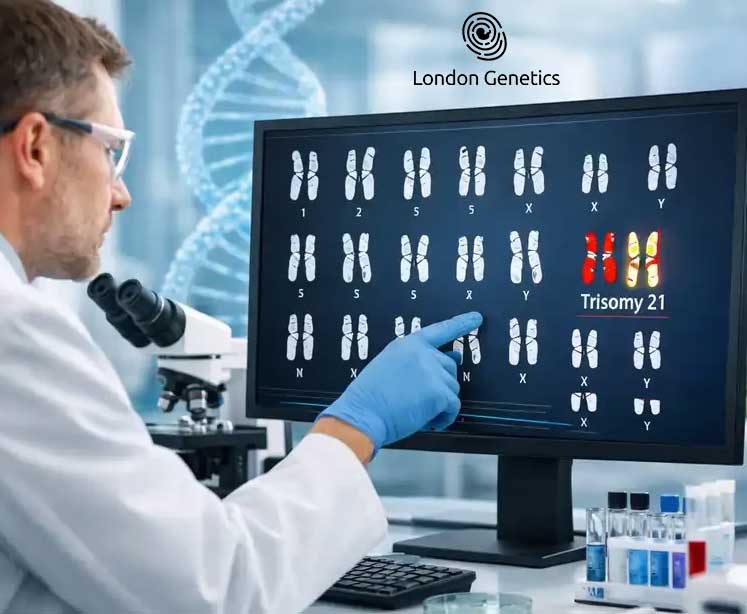
What Are Chromosomal Abnormalities? Understanding the Basics Chromosomal abnormalities are changes in the normal structure or number of chromosomes in a person’s cells. Humans typically have 46 chromosomes, arranged in 23 pairs, which carry all the genetic information necessary for growth, development, and overall health. When there is a deviation—such as a missing chromosome, an […]
From a Single Blood Sample to DNA Extraction

What Is a Blood Sample and Why It Matters for Genetics Understanding the Basics of a Blood Sample A blood sample is a simple yet powerful tool that can provide a window into your genetic makeup. When collected, it contains cells rich in DNA, the blueprint that carries all the information about your inherited traits, […]
Newborn Screening Tests
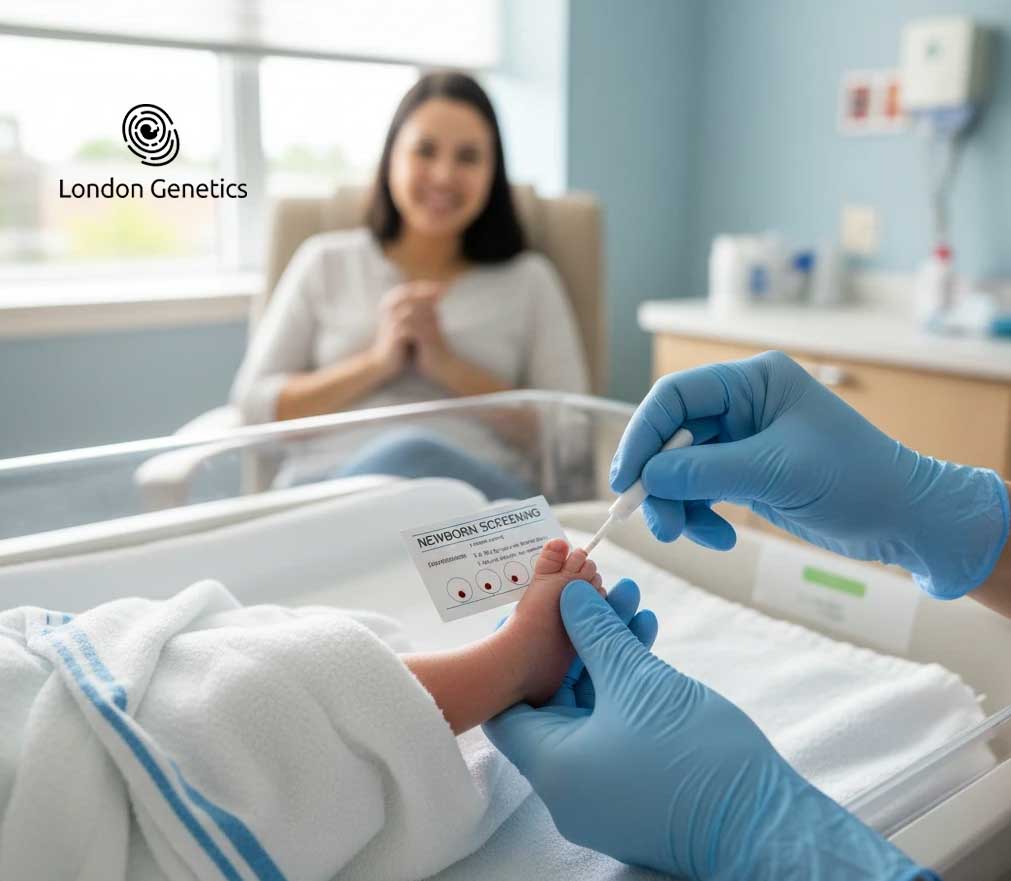
Introduction to Newborn Screening Tests Newborn Screening Tests are a group of essential health checks carried out shortly after a baby is born. These tests are designed to identify certain serious but treatable conditions before symptoms appear. Early detection allows doctors to begin treatment promptly, which can significantly improve a child’s long‑term health and development. […]
Chromosomal Testing Before IVF

British English Explanation Chromosomal testing is a specialised genetic assessment used to examine the structure and number of chromosomes in both partners. These chromosomes carry the DNA instructions that guide development, fertility, and overall reproductive health. Even small chromosomal imbalances—often invisible in routine health checks—can interfere with natural conception, contribute to repeated miscarriages, or affect […]
What Is Genetic Fingerprinting?

Introduction to Genetic Fingerprinting Genetic fingerprinting is a powerful scientific technique used to identify individuals based on their unique Genetic Testing. Much like a traditional fingerprint, which is unique to each person, the pattern of DNA within an individual’s cells is distinctive, with the exception of identical twins. This biological uniqueness makes genetic fingerprinting an […]
Tests Before Marriage

Why Tests Before Marriage Are Important for Couples Understanding the Health Benefits of Premarital Screening Tests before marriage play an important role in helping couples understand potential health risks before starting a family. Many genetic conditions are inherited and may not show any symptoms in carriers. This means two healthy individuals could still carry genes […]
Next‑Generation Sequencing (NGS)

What Is Next‑Generation Sequencing (NGS)? Next‑Generation Sequencing (NGS) is an advanced DNA sequencing technology that allows scientists and clinicians to analyse large amounts of genetic material quickly and accurately. Unlike traditional sequencing methods that read one DNA fragment at a time, NGS can sequence millions of DNA fragments simultaneously. This high‑throughput capability makes it possible […]
Decoding Longevity Genes

What Are Longevity Genes? Understanding the Genetics of a Longer Life Longevity Genes refer to specific genes within the human genome that influence how the body ages and how long an individual may remain healthy throughout life. While ageing is a natural biological process, scientific research has shown that certain genetic variations can affect how […]
Advanced Genetic Laboratory Analysis : Methods, Applications and Clinical Benefits

Overview of Advanced Genetic Laboratory Analysis Advanced Genetic Laboratory Analysis plays a central role in modern healthcare by enabling highly accurate identification of genetic variations that influence health, disease risk and treatment response. Through the combination of sophisticated laboratory techniques and data‑driven evaluation, this form of analysis allows clinicians to investigate DNA, chromosomes and genes […]
Understanding Egg Quality: The Key to Reproductive Success

Introduction Background of Egg Quality in Human Reproduction Egg Quality is a fundamental determinant of successful human reproduction. It refers to the structural, molecular, and functional competence of the oocyte, including cytoplasmic maturity, mitochondrial activity, and—most importantly—chromosomal normality. High Egg Quality is essential for proper fertilisation, early embryonic development, implantation, and the establishment of a […]